Lede
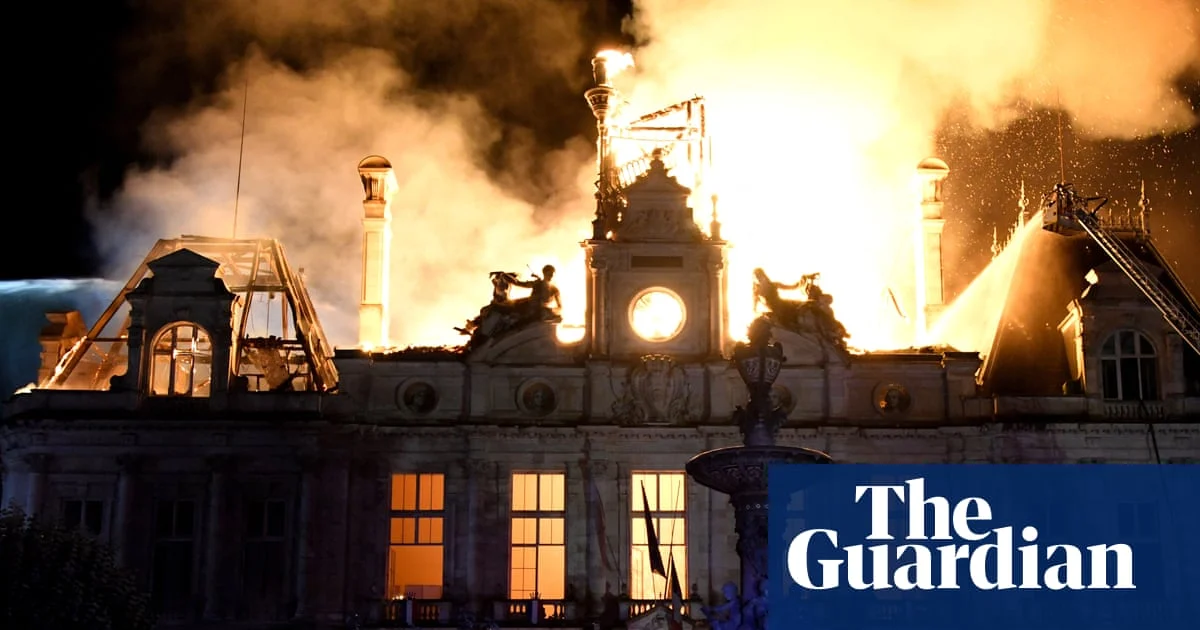
French President Emmanuel Macron has condemned “unbridled violence” after a wave of protests turned into some of the most violent unrest in years across France, leaving public buildings burned, hundreds of shops destroyed or looted, and more than 2,000 people arrested.
In a televised address, Macron questioned how French citizens could inflict such damage on their own country, asking, “Watching these images, we have all asked ourselves how could French people do this to France?” The government is now holding crisis talks amid allegations of a “colossal failure of the state,” with ministers, officials, and police facing mounting pressure over their response to the demonstrations.
Key Facts
- Macron criticized “unbridled violence” after days of unrest.
- Over 2,000 people were arrested across France.
- Public buildings were burned and hundreds of shops looted or destroyed.
- Government ministers and police face pressure over protest response.
- Crisis talks are underway amid claims of a “colossal failure of the state.”
The Story
What triggered the violent unrest?
The protests, which began days earlier, escalated into widespread chaos, with demonstrators clashing with police and setting fires in urban centers. While the specific cause of the unrest is not detailed, the scale of the damage — including burned public buildings and looted businesses — has sparked national concern.
Macron’s televised address came after one of the most violent days in recent French history, prompting calls for accountability from both opposition leaders and civic groups. The phrase “colossal failure of the state” reflects growing frustration with the government’s handling of public safety and crowd control.
Who is affected by the aftermath?
Beyond those arrested, local communities are grappling with the economic and emotional toll of the destruction. Shop owners, residents, and public servants are left to deal with the fallout, as the nation questions the effectiveness of law enforcement during mass demonstrations.
The situation has also intensified scrutiny over policing tactics and government preparedness. Officials are under pressure to restore order and prevent further escalation, though no timeline for resolution has been provided.
What happens next?
Crisis talks are ongoing within the government, but details about potential policy changes or responses remain unclear. Authorities are expected to review their approach to public demonstrations, though it is unknown whether reforms will be announced immediately.
For now, the focus remains on restoring calm and addressing the immediate consequences of the unrest. International observers are watching closely, as France confronts one of its most significant domestic challenges in recent memory.
What We Know — and What We Don’t
Verified by the source:
- Macron publicly condemned the violence in a televised address.
- More than 2,000 arrests occurred across France.
- Public buildings were burned and hundreds of shops were looted or destroyed.
- The government is holding crisis talks following the unrest.
- The term “colossal failure of the state” was referenced in discussions.
Still unconfirmed:
- The exact cause or trigger of the initial protests.
- The identities or roles of arrested individuals.
- Damages figures or number of injured people.
- Specific policy measures being discussed during crisis talks.
- Whether further demonstrations are planned.
Why It Matters
This episode tests the stability of one of Europe’s leading democracies, raising questions about civic trust, law enforcement capacity, and political leadership during public crises. How France responds could influence public sentiment and set precedents for managing future unrest.
What To Watch
Updates may emerge from ongoing government crisis talks, though no formal announcements have been scheduled. The situation remains fluid, with potential implications for upcoming political developments in France.
French President Emmanuel Macron condemned unbridled violence after a wave of unrest left public buildings burned and over 2,000 arrested.
Related Coverage
Read more about [war-geopolitics](/category/war-geopolitics) and [politics](/category/politics).