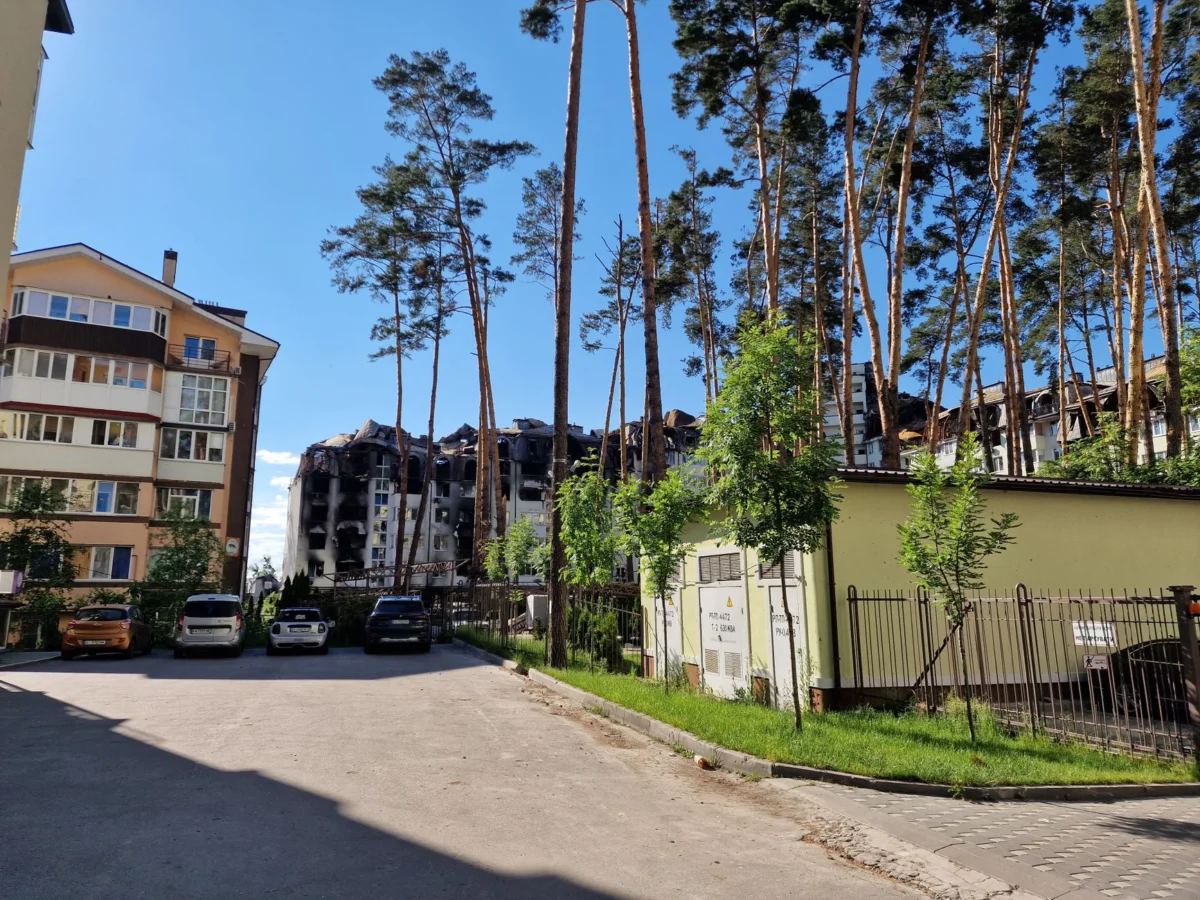
The Lithuanian embassy in Kyiv has suffered damage following a Russian missile attack, according to a report from Reuters. The strike hit the diplomatic mission while it was carrying out its normal duties in the Ukrainian capital.
Diplomatic facilities are generally protected under international law, but they can still be affected by the broader hostilities that have seen repeated missile strikes across Ukraine. The incident underscores the risks faced by foreign missions operating in a conflict zone.
Key Facts
- Lithuanian embassy in Kyiv damaged in Russian missile attack
- Reported by Reuters
What does the damage mean for the Lithuanian embassy?
The embassy serves as the official channel for Lithuania’s relations with Ukraine, handling consular services, visa processing, and diplomatic communication. Damage to its premises may disrupt these functions temporarily, requiring staff to relocate or operate from alternative locations while repairs are undertaken.
Ensuring the safety of diplomatic personnel is a priority; any harm to staff would trigger immediate consular assistance and coordination with Lithuanian authorities. The host country, Ukraine, bears responsibility under the Vienna Convention for protecting diplomatic premises, even amid ongoing conflict.
While the extent of the damage has not been detailed in the source, such incidents often lead to assessments of structural integrity, security upgrades, and possible temporary reductions in public services until normal operations can resume.
How does this fit into the wider pattern of attacks?
Russian forces have conducted numerous missile strikes on Ukrainian cities since the full‑scale invasion began, targeting infrastructure, residential areas, and government buildings. Kyiv, as the capital, has frequently been within the range of these strikes, prompting alerts and air‑defence activations.
Diplomatic missions, though marked and expected to be spared, have occasionally been caught in the fallout of such attacks. Earlier in the war, several embassies reported minor damage or heightened security measures after stray munitions landed nearby.
This latest event adds to the growing list of incidents where international presences in Ukraine have been affected, highlighting the challenges of maintaining diplomatic presence in an active war zone.
What protections exist for diplomatic missions?
The Vienna Convention on Diplomatic Relations obliges the host state to respect the inviolability of embassy premises and to take appropriate steps to protect them from intrusion or damage. In practice, this means Ukrainian authorities are expected to cooperate with Lithuania to secure the site and investigate the attack.
Despite these obligations, the reality of warfare can limit the host’s ability to prevent all harm, especially when missiles are launched from distance. Diplomatic teams often rely on their own security protocols, including reinforced buildings, evacuation plans, and close communication with their home governments.
Continued dialogue between Lithuania and Ukraine will likely focus on assessing the damage, determining any needed assistance, and reinforcing measures to safeguard the embassy moving forward.
What We Know — and What We Don’t
Verified by the source:
- Lithuanian embassy in Kyiv damaged in Russian missile attack
- Reported by Reuters
Still unconfirmed:
- Exact date and time of the strike
- Extent of structural damage to the embassy building
- Whether any diplomatic staff were injured or killed
- Type of missile used and its launch point
- Official statements from Lithuanian or Ukrainian authorities regarding the incident
Why It Matters
The attack on a NATO member’s embassy underscores the spillover risks of the Russia‑Ukraine war for international diplomatic presence and raises questions about the adequacy of protections for foreign missions in active conflict zones. It also signals to other countries the potential vulnerabilities of maintaining embassies in Kyiv amid ongoing hostilities.
What To Watch
Future updates may include official comments from Lithuania’s foreign ministry, assessments of the damage by Ukrainian officials, and any decisions regarding temporary embassy closures or staff relocations. Continued reporting from Reuters or other wire services will clarify the situation as it develops.