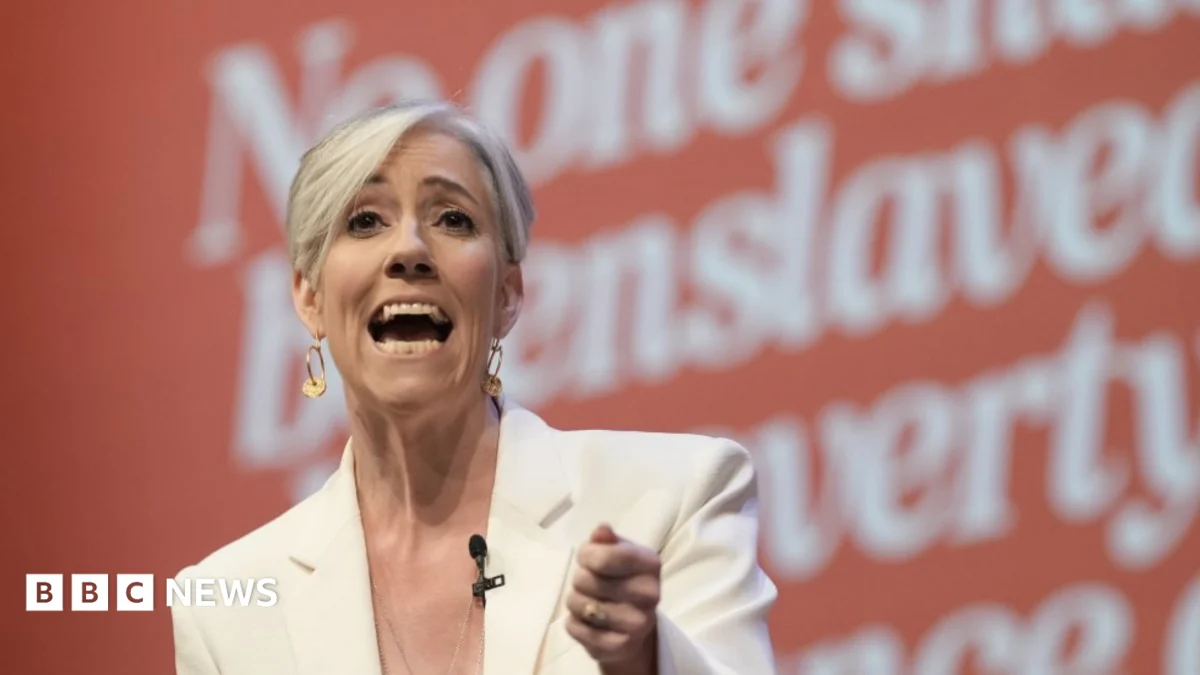
The Liberal Democrats have promised to end what they describe as a ‘computer says no’ economy, where automated systems deny services and opportunities. Deputy leader Daisy Cooper made the pledge during a speech to her party conference, also announcing plans for a Growth and Defence Partnership with the European Union.
Cooper argued that excessive reliance on automated decision-making has harmed public trust and economic dynamism. She positioned the proposal as a central plank of the party’s strategy to boost growth and reset relations with the EU following Brexit.
Key Facts:
- The Liberal Democrats aim to end a ‘computer says no’ economy.
- Daisy Cooper proposed a Growth and Defence Partnership with the EU.
- The announcements were made in a speech to the party conference.
- The policy is linked to efforts to boost economic growth.
What the ‘computer says no’ economy means
The phrase ‘computer says no’ refers to situations where automated systems reject applications, claims or requests without human review. Critics say such systems can disproportionately affect vulnerable people seeking benefits, loans or public services. By vowing to end this model, the Liberal Democrats are signalling a shift towards greater human oversight in public and private decision-making.
The term gained wider attention through a BBC comedy sketch and has since become shorthand for faceless bureaucracy. In policy terms, the concern focuses on algorithmic bias, lack of transparency and difficulty appealing automated decisions. These issues have drawn scrutiny from regulators and advocacy groups in recent years.
What happens next with the EU partnership?
Cooper’s proposed Growth and Defence Partnership would mark a significant realignment in the UK’s relationship with the EU. The Liberal Democrats have long advocated closer ties with European institutions, particularly on defence and trade. Details of the partnership remain unclear, but the proposal aligns with broader calls for enhanced cooperation in security and economic matters.
Historically, the UK’s departure from the EU has complicated defence and trade coordination. A new partnership could offer streamlined arrangements for intelligence sharing, joint procurement and regulatory alignment. However, such moves would require negotiation and likely cross-party support to succeed.
Why this matters
The Liberal Democrats’ push reflects growing public concern about automation and algorithmic governance. With major parties still debating post-Brexit strategy, these proposals add pressure on the government to address digital rights and international cooperation. According to BBC News, these pledges aim to reshape economic and foreign policy debates ahead of future elections.
What we know — and what we don’t
Verified by the source:
- Daisy Cooper is the party’s deputy leader.
- She spoke at the Liberal Democrat party conference.
- She proposed ending the ‘computer says no’ economy.
- She announced a Growth and Defence Partnership with the EU.
Still unconfirmed:
- No timeline for implementing proposed policies.
- No specific details about the EU partnership framework.
- No independent confirmation from EU or UK government.
- No reaction from other political parties or officials.
The proposals enter a crowded political landscape where economic recovery and international relations remain contentious. As discussions evolve, voters will look for concrete policy differences rather than general pledges.
What to watch: How other parties respond to the Liberal Democrats’ dual focus on automation reform and EU cooperation in the coming months.