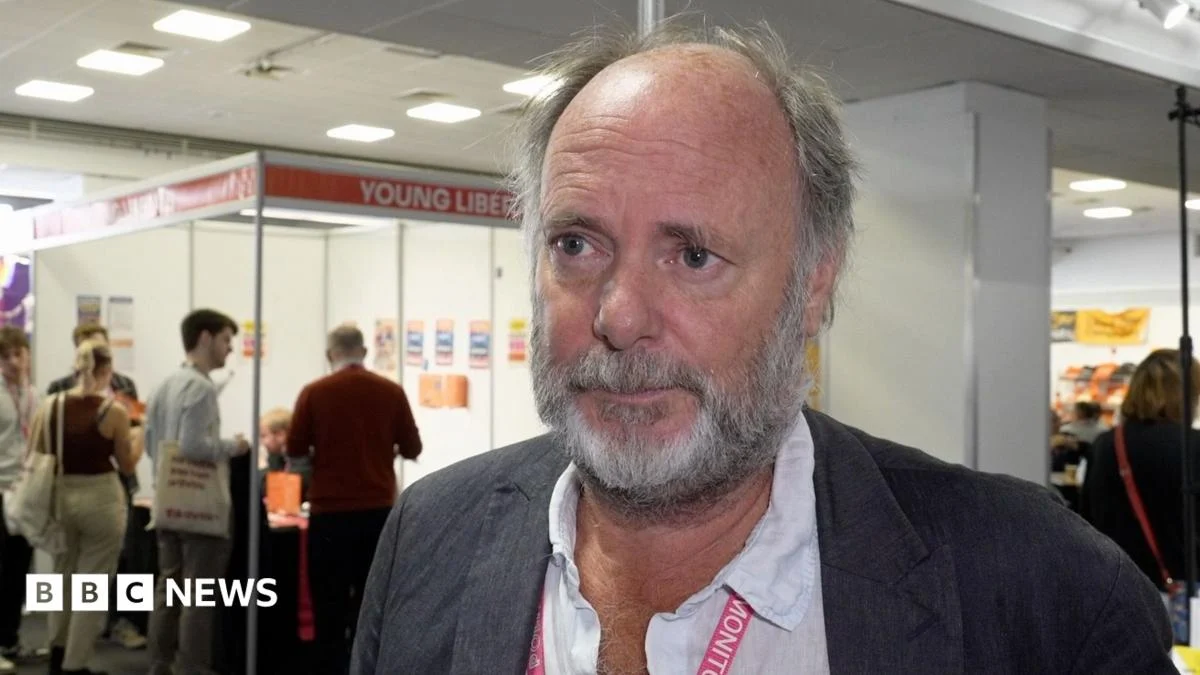
A senior local official has publicly criticized the current party leadership of the Liberal Democrats, raising concerns about the direction of the party at a crucial time. The comments come from a council leader who believes the party is heading toward declining relevance.
These remarks add to ongoing discussions about the future of the party and its electoral prospects. While such internal critiques are not uncommon in democratic politics, they do highlight divisions or dissatisfaction within the ranks.
Key Facts
- Julian Brazil, leader of Devon County Council, expressed criticism of current party leadership.
- Brazil stated that Ed Davey is not the right person to lead the Liberal Democrats.
- According to BBC News, Brazil warned the party is “sleepwalking to irrelevance.”
- The criticism was shared directly with the BBC.
- No response from the Liberal Democrats or Davey’s office has been reported yet.
What Happens Next?
The impact of these comments will likely depend on whether they resonate with other party members or trigger further debate. Internal party dynamics can shift rapidly, especially when senior figures voice public concerns.
Party leadership contests or confidence votes are possible outcomes if pressure builds. However, no formal steps have been announced based on this critique alone.
For now, attention may turn to how the party responds internally and whether others echo similar sentiments about strategy or messaging.
Who Is Affected?
The primary individuals affected are members of the Liberal Democrats, particularly those in elected positions or active roles within the organization. Their party’s image and cohesion could be influenced by this public disagreement.
Voters who support or are considering supporting the Liberal Democrats may also take note, especially ahead of any upcoming elections where party unity plays a role in public perception.
Local councils and regional branches aligned with the party might reassess their positioning depending on how central leadership reacts to the challenge.
How Did We Get Here?
Criticism from prominent local officials often arises when there’s a perceived gap between grassroots expectations and national leadership decisions. This kind of feedback isn’t unique to the Liberal Democrats but reflects broader tensions seen across many political parties.
In recent years, smaller parties like the Liberal Democrats have faced challenges maintaining visibility amid larger competing forces. Leadership choices become focal points during periods of electoral uncertainty or low polling numbers.
This particular critique appears tied to concerns over direction rather than specific policy failures, suggesting a strategic rift that could influence future campaign approaches.
What We Know
- Verified by the source: Julian Brazil holds the position of Devon County Council leader.
- Verified by the source: He told the BBC that Ed Davey should not continue leading the Liberal Democrats.
- Verified by the source: He used the phrase “sleepwalking to irrelevance” in describing the party’s trajectory.
What We Don’t
- Still unconfirmed: Whether other party leaders or councillors share Brazil’s view.
- Still unconfirmed: Any official statement from the Liberal Democrats or Ed Davey regarding the comments.
- Still unconfirmed: Specific reasons behind Brazil’s assessment beyond general concern about relevance.
This moment underscores how internal critiques can shape narratives around party viability, especially for mid-sized parties navigating complex political landscapes. When leaders question their own party’s path, it invites scrutiny not just from opponents but from potential supporters too.
Further clarity may emerge through statements from party headquarters, though no timeline for such responses has been provided. As developments unfold, monitoring official communications will help determine whether this marks the beginning of wider unrest or remains an isolated opinion.
Explore more political coverage in our politics section for updates on UK governance and party dynamics.