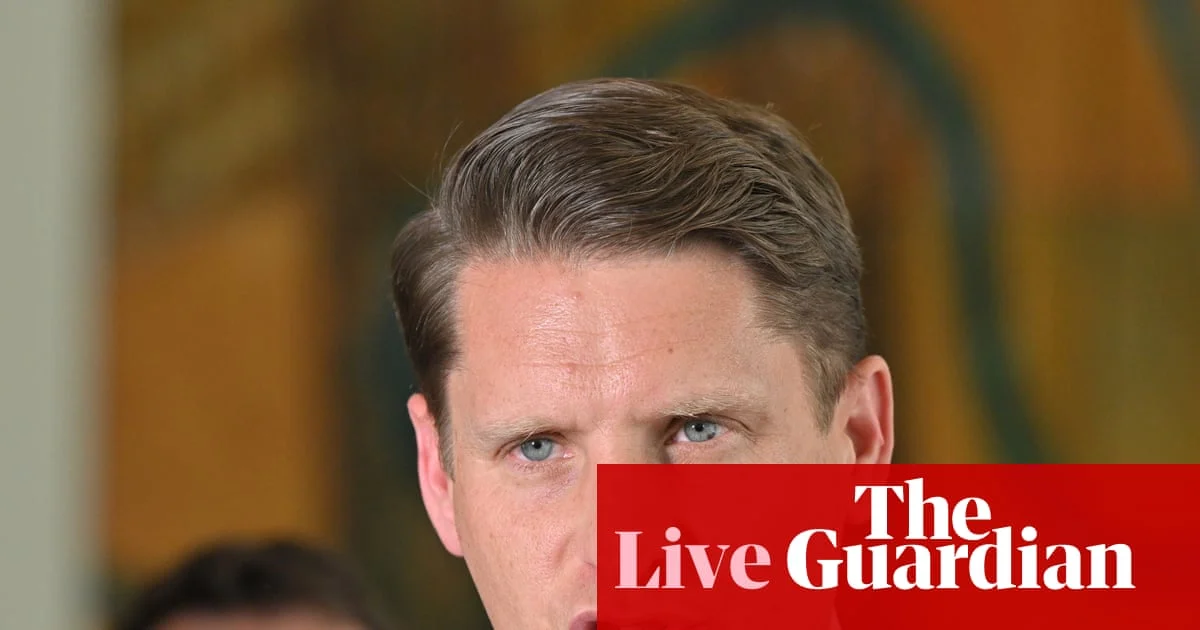
Labor has dismissed the Coalition’s proposal to halve the fuel excise as an unfunded policy that would risk fueling inflation rather than easing cost-of-living pressures. The shadow minister for energy, Dan Tehan, defended the plan, arguing it delivers needed relief while maintaining fiscal discipline.
Tehan criticized Labor’s response as unfair, urging the government to consult constituents facing rising living costs. He said the Coalition’s approach includes budget offsets designed to prevent inflationary effects while providing immediate support.
Key Facts
- Labor labeled the Coalition’s fuel excise cut an ‘unfunded’ policy.
- Dan Tehan, shadow minister for energy, defended the proposal as a ‘sensible’ relief measure.
- Tehan said the policy is designed not to be inflationary through budget offsets.
- Labor argued current cost-of-living support should remain permanent and tax-based.
- The Coalition previously adjusted fuel excise measures when oil prices rose.
How Did We Get Here?
Political tensions over cost-of-living relief have intensified amid global energy price volatility and geopolitical uncertainty. The Coalition’s latest proposal builds on earlier adjustments made when oil prices surged following international conflicts.
Tehan emphasized that the party’s plan incorporates long-term budgeting principles, shifting away from one-off measures toward sustained support. Labor counters that such ad hoc interventions lack transparency and may undermine economic stability.
Both parties agree that households are under financial strain, but they differ sharply on the responsible method of delivering assistance without exacerbating inflation or expanding deficits.
What Happens Next?
The debate over fuel excise policy reflects broader disagreements about fiscal responsibility and economic management ahead of future elections. Public reaction remains uncertain, especially among voters directly impacted by fuel and energy costs.
Government sources have not indicated whether similar offsets would accompany any Coalition-backed legislation if introduced. Analysts note that both sides face pressure to balance voter needs with macroeconomic constraints.
Further details about implementation timelines or specific funding mechanisms have not been publicly disclosed by either side at this stage.
What We Know — and What We Don’t
Verified by the source:
- Labor criticized the Coalition’s fuel excise cut as unfunded.
- Dan Tehan responded by defending the proposal as sensible relief.
- Tehan claimed the policy includes budget offsets to avoid inflation.
- Labor favors permanent cost-of-living support via the tax system.
- The Coalition previously adjusted fuel excise during high oil prices.
Still unconfirmed:
- No official costings or detailed budget data were provided.
- It is unclear whether the Coalition has formally tabled the policy.
- Timing of any potential legislative introduction is unknown.
- Public polling on voter sentiment toward the proposal is absent.
- Independent economic modeling assessing inflation impact is missing.
Why It Matters
This dispute illustrates growing partisan divisions over how best to address household affordability amid persistent global inflation and energy market instability. Fuel excise policies directly affect consumers and transport sectors, making them politically sensitive and economically consequential.
What To Watch
Observers will watch whether the Coalition releases formal policy documentation or costings to substantiate claims of fiscal neutrality. The government may respond with its own counter-proposals in Parliament during upcoming budget sessions.