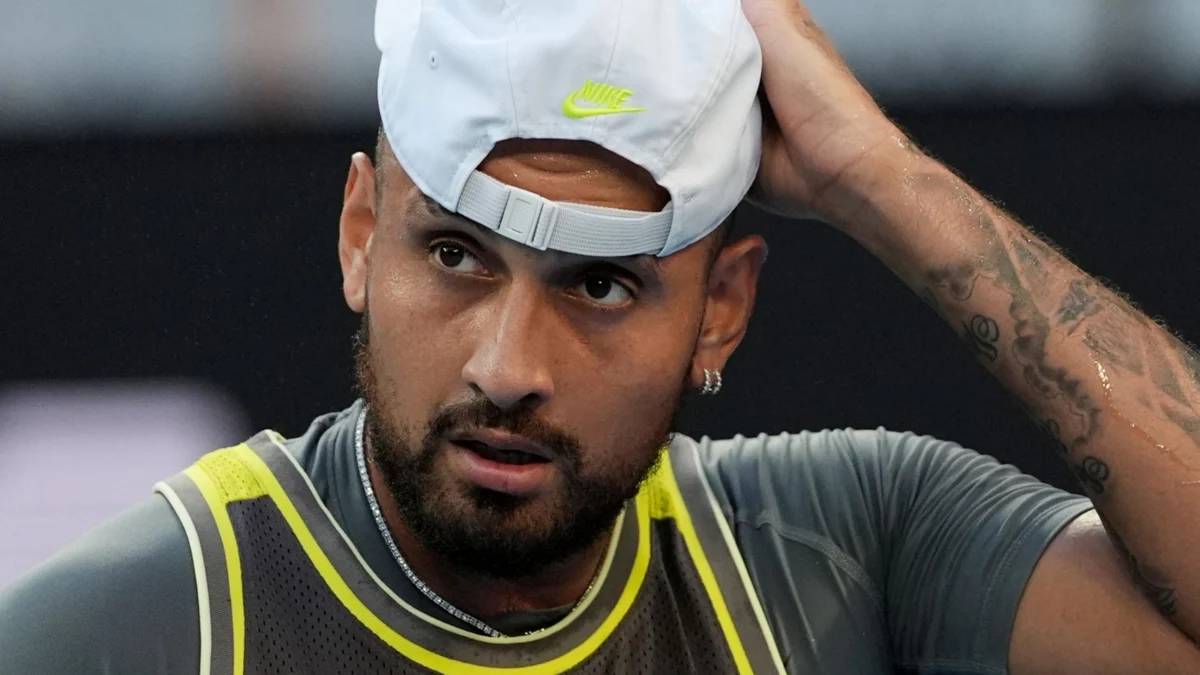
Tennis professional Nick Kyrgios has accepted and completed a one-month suspension from competition after testing positive for cocaine. The suspension was enacted under anti-doping regulations, stemming from an incident at an ATP Tour event held in Mallorca.
This outcome means that Kyrgios has served the reduced suspension, which was agreed upon following the positive test result. The incident and subsequent action highlight the strict anti-doping framework in professional tennis.
KEY FACTS
- Nick Kyrgios accepted a one-month suspension.
- The suspension followed a positive cocaine test.
- The test occurred at an ATP Tour event in Mallorca.
- The suspension was a reduced one under anti-doping rules.
The Anti-Doping Framework in Tennis
The anti-doping rules governing professional tennis are stringent, designed to maintain fairness and athlete health. When a player like Nick Kyrgios tests positive for a prohibited substance, specific protocols are activated. These protocols can lead to suspensions, fines, or other penalties, depending on the substance, circumstances, and whether it’s a first offense. The term “reduced suspension” suggests there might have been mitigating factors or cooperation from the athlete in this particular case.
Anti-doping agencies work to ensure a level playing field by conducting tests both in and out of competition. A positive test for a substance like cocaine can lead to significant consequences for a player’s career and reputation. The acceptance of the suspension by Kyrgios indicates a resolution within this established framework, allowing for the served penalty to be officially recognized.
What Are the Implications for Players?
For professional athletes, adherence to anti-doping regulations is a fundamental requirement of their careers. A positive test, even if resulting in a reduced suspension like the one Kyrgios accepts, carries implications beyond the immediate ban. It underscores the constant scrutiny players face regarding their conduct and substances consumed, both intentionally and unintentionally. The International Tennis Integrity Agency (ITIA) is often involved in such cases, overseeing the integrity of the sport.
The location of the positive test, an ATP Tour event in Mallorca, points to in-competition testing procedures. These tests are routine at professional tournaments and are a critical part of maintaining the sport’s credibility. The quick acceptance and serving of the suspension by Kyrgios suggests a straightforward process once the test results were confirmed.
WHAT WE KNOW — AND WHAT WE DON’T
Verified by the source:
- Nick Kyrgios accepted and served a one-month suspension.
- The suspension was due to a positive test for cocaine.
- The positive test occurred at an ATP Tour event in Mallorca.
- The suspension was reduced under anti-doping rules.
Still unconfirmed:
- The exact date of the ATP Tour event in Mallorca.
- The specific date when the reduced one-month suspension began or ended.
- The precise reasons for the reduction of the suspension.
- Any statement from Nick Kyrgios or his representatives regarding the incident.
WHY IT MATTERS
This event underscores the consistent application of anti-doping rules in professional tennis, regardless of a player’s profile. It reinforces the message that all athletes are subject to strict scrutiny regarding prohibited substances, and that violations carry consequences. For fans and the sport’s integrity, such actions are critical in maintaining trust and fairness in competition.
WHAT TO WATCH
Future statements from relevant tennis authorities or Nick Kyrgios himself might offer further context regarding the incident and the terms of the suspension, though the ban has already been served.