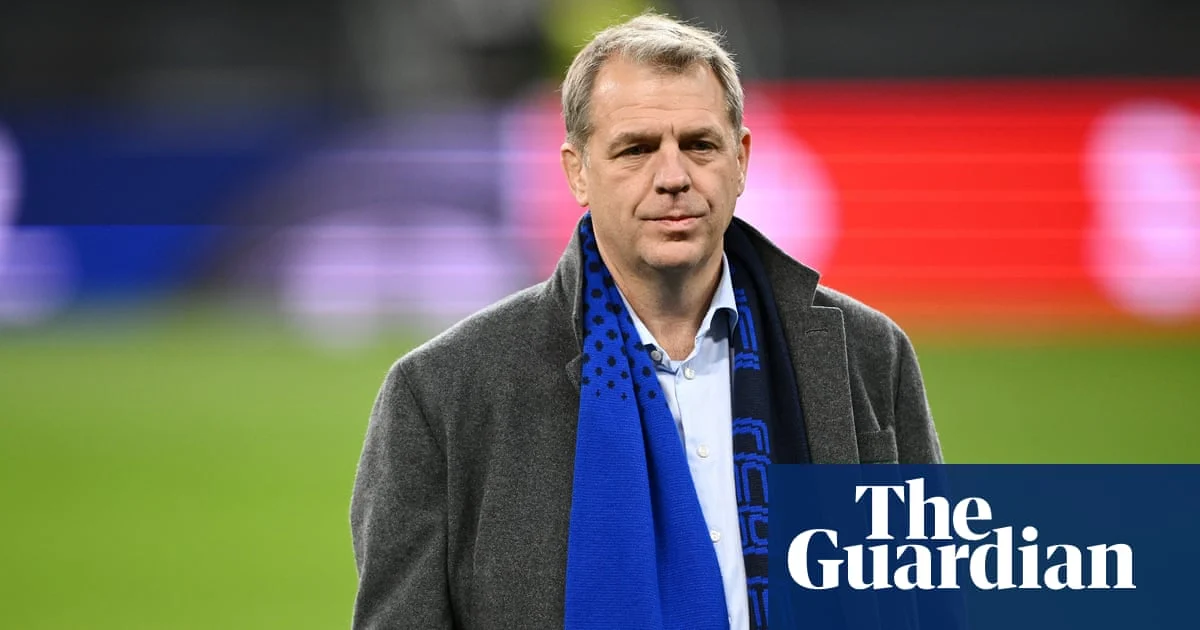
Lede
Todd Boehly exits Chelsea along with fellow investor Mark Walter, departing as a diminished figure after four years of limited influence over the club’s day-to-day operations. Their exit is unlikely to reshape the immediate running of the club, given that Clearlake Capital has long held the majority stake and operational control.
The departure marks the end of Boehly’s direct involvement in Chelsea’s affairs, but the ripple effects may extend to long-term strategic decisions, particularly around the club’s stadium development plans. What remains certain is that the power structure at Stamford Bridge has steadily shifted away from the original investor group toward the private equity firm that led the takeover.
Key Facts
- Todd Boehly exits Chelsea alongside Mark Walter after four years.
- Boehly’s role at Chelsea had little day-to-day influence since a failed transfer strategy.
- Clearlake Capital was already the majority owner and guiding force at the club.
- Boehly, Walter, and Hansjörg Wyss held an equal share of a 38.5% stake.
- The investor trio drifted into irrelevance after the BlueCo consortium bought Chelsea for £2.5bn in 2022.
Who Is Affected by the Exit?
Todd Boehly exits Chelsea with Mark Walter, ending a chapter that began with high expectations following the 2022 acquisition. The three investors—Boehly, Walter, and Swiss billionaire Hansjörg Wyss—once held an equal share of a 38.5% stake in the club. However, their influence has largely faded since Clearlake Capital assumed majority ownership and operational control through the BlueCo consortium deal.
While the boardroom dynamics will not shift dramatically, the absence of these high-profile names may signal a rebranding effort or strategic realignment under Clearlake’s leadership. For fans and stakeholders, the concern lies in whether future decisions—especially those involving transfers and infrastructure—will reflect the same vision once pursued by the departing investors.
What Happens Next?
The impact of Todd Boehly exiting Chelsea is expected to be marginal in the short term. As The Guardian notes, Clearlake Capital remains the dominant force, and day-to-day operations are unlikely to change. The bigger question revolves around the club’s stalled stadium plans, which were previously championed by the now-exiting investor group.
With Boehly and Walter gone, attention turns to whether Clearlake will revisit or revise those proposals. The consortium had ambitions to modernize Stamford Bridge, though progress has been slow. Future announcements may clarify the direction of these efforts under new stewardship.
What We Know — and What We Don’
Verified by the source:
- Todd Boehly exits Chelsea after four years of diminished influence.
- Mark Walter also departs alongside Boehly.
- Clearlake Capital retained majority ownership and control.
- The investor group once held a 38.5% shared stake.
- The BlueCo consortium completed the purchase of Chelsea for £2.5bn in 2022.
Still unconfirmed:
- Exact financial terms of Boehly and Walter’s exit package.
- Whether Hansjörg Wyss remains involved with the club.
- Details on how stadium plans will proceed post-exit.
- Internal reasons behind the investors’ decision to leave.
Why It Matters
Sports ownership transitions often signal shifts in strategy, even when day-to-day operations appear unchanged. In Chelsea’s case, Todd Boehly exiting Chelsea underscores the growing dominance of private equity in football ownership. While fans may not see immediate changes, the long-term implications for transfer policy, youth development, and infrastructure investment could be significant.
What to Watch
Further clarity on Chelsea’s stadium development timeline is expected in the coming months. Officials have yet to comment on whether the departure of Boehly and Walter will influence upcoming strategic decisions.
Todd Boehly exits Chelsea as the investor group fades into irrelevance under Clearlake’s control.