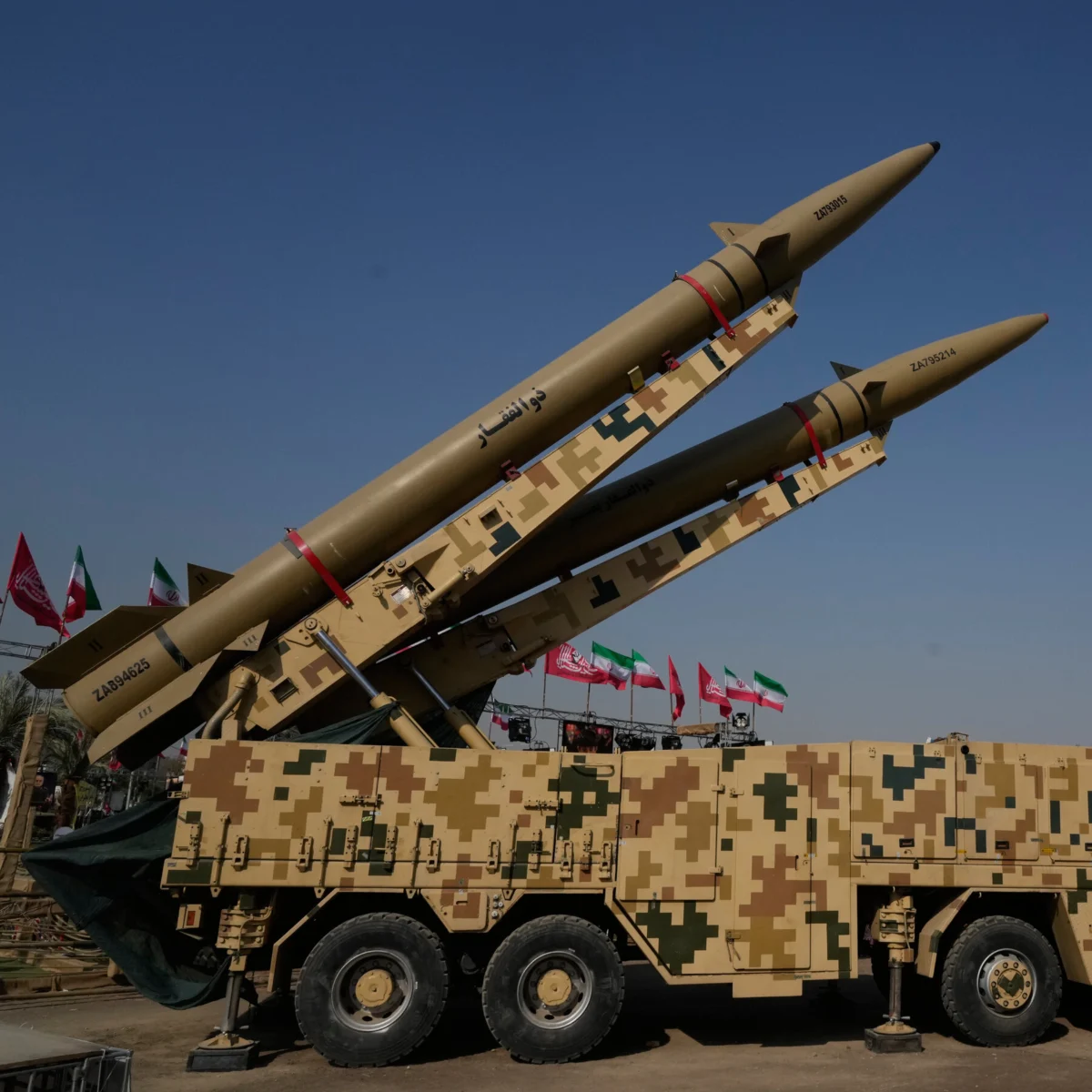
Kuwait confirmed it downed Iranian drones amid rising tensions in the Middle East, as President Trump signaled a possible intensification of U.S. pressure on Iran. Both sides have shown no signs of backing down, raising concerns of further escalation.
The wave of strikes comes at a critical moment, with the U.S. and Iran locked in a standoff that has destabilized the region for years. The incident underscores the volatility of the situation as diplomatic efforts remain fragile.
Key Facts
- Kuwait intercepted and downed Iranian drones, according to NYT > Top Stories.
- President Trump threatened to escalate U.S. actions against Iran.
- Neither side has indicated a willingness to de-escalate tensions.
What Led to This Escalation?
The downing of Iranian drones by Kuwait marks a rare direct confrontation in the ongoing proxy conflicts between the U.S. and Iran. The strike follows months of heightened rhetoric and sporadic clashes across the region, including attacks on shipping lanes and oil facilities. Tensions have been particularly high since the U.S. withdrawal from the 2015 nuclear deal, with Iran gradually expanding its military activities in response to sanctions.
What Does This Mean for the Region?
The incident raises concerns about whether these skirmishes could turn into broader military engagements. Kuwait, traditionally a neutral player in regional conflicts, has now been drawn into the fray. Its ability to intercept the drones signals heightened military readiness among Gulf states, who have long viewed Iran as a security threat. The U.S. has repeatedly stated its commitment to defending allies in the region, and further confrontations could test those pledges.
What We Know — and What We Don’t
Verified by the source:
- Kuwait downed Iranian drones.
- President Trump has threatened to escalate U.S. actions against Iran.
Still unconfirmed:
- The exact number of drones involved in the incident.
- Whether Iran will retaliate directly against Kuwait or other U.S. allies.
Why It Matters
The targeting of Kuwait, a key U.S. ally in the Gulf, could signal that Iran is willing to test regional defenses more aggressively. Any further escalation risks drawing in additional nations, potentially destabilizing an already volatile part of the world.
What to Watch
Observers will be watching for signs of Iranian retaliation, as well as whether the U.S. follows through on its threats to intensify its campaign. Diplomatic channels remain open, but the window for de-escalation is narrowing.