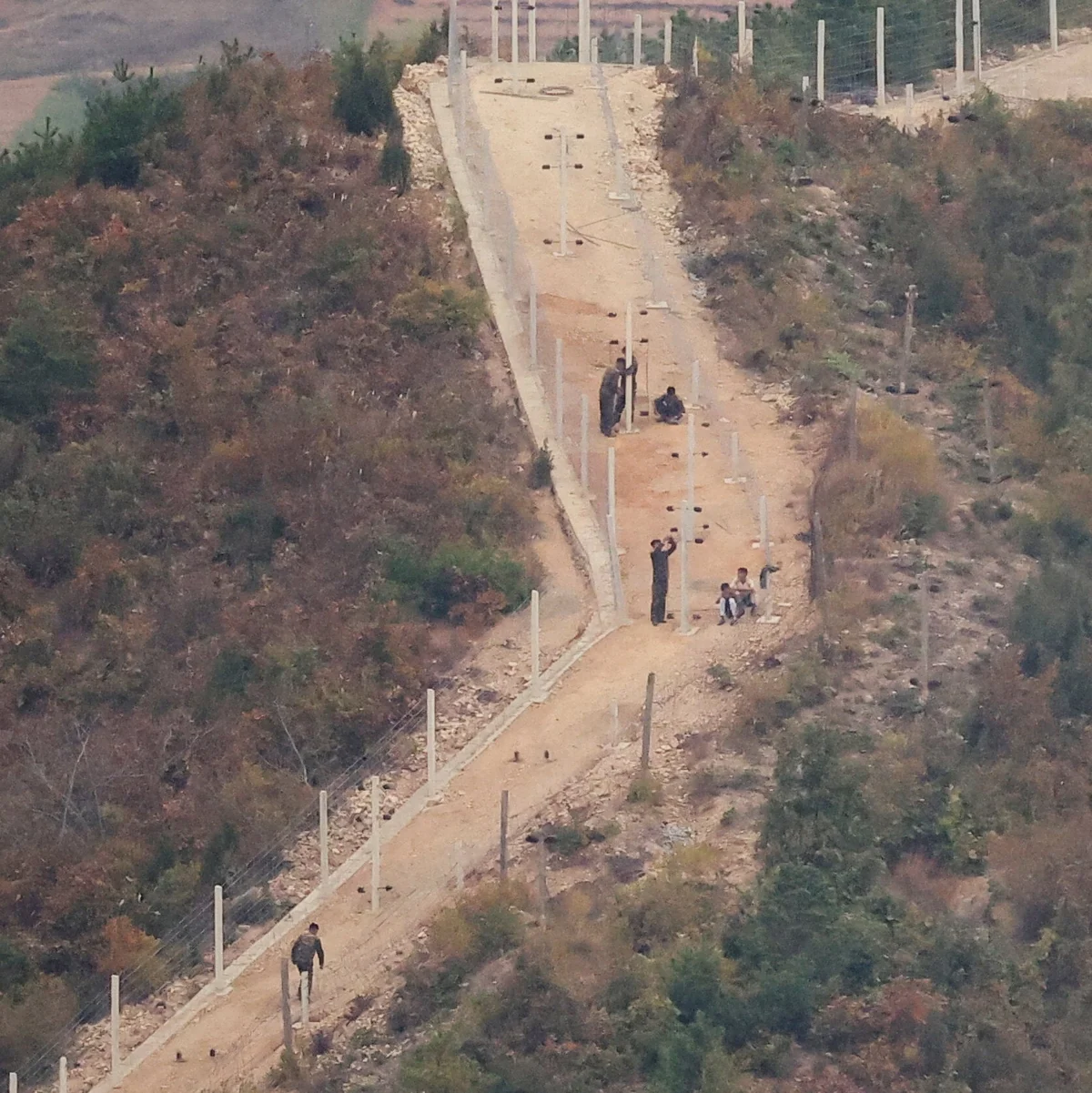
Land mine explosions along the Korean Demilitarized Zone have reignited cross-border tensions rooted in a decades-old armistice that halted the Korean War, according to reporting by NYT > World News. The recent clashes underscore how unresolved Korean border tensions continue to shape relations between North and South Korea. These ongoing disputes reflect structural gaps left by a truce that was never replaced by a formal peace treaty.
KEY FACTS
- A heated disagreement over recent land mine explosions is part of the legacy of the truce that halted the Korean War 73 years ago.
- The truce mentioned ended active fighting but did not establish a permanent peace agreement.
- Korean border tensions stem from a lack of formal resolution to the original conflict.
- The Demilitarized Zone remains a sensitive flashpoint due to unresolved status.
The Story
How did we get here?
The Korean Peninsula was divided at the 38th parallel following World War II, leading to rival governments in the north and south. In 1950, the Korean War began when North Korean forces crossed the DMZ, prompting intervention by a UN coalition led by the United States. Three years later, an armistice was signed in 1953, halting active hostilities but stopping short of declaring a permanent peace. Since then, the Demilitarized Zone has remained one of the most heavily fortified borders in the world.
What happens next?
Without a formal peace treaty, both Koreas remain in a technical state of war. Periodic violations of the DMZ, including land mine detonations, fuel mistrust and provoke retaliatory measures. Diplomatic efforts toward reconciliation have stalled repeatedly, often tied to broader geopolitical shifts involving regional powers like China, Japan, and the United States. Any escalation risks destabilizing Northeast Asia’s delicate balance of power.
Who is affected?
Civilians living near the Korean Demilitarized Zone face dangers from unexploded ordnance and sudden militarized responses during flare-ups. Military personnel on both sides conduct regular patrols and drills, increasing the risk of accidental confrontations. International observers monitor the border closely, while diplomatic channels work to prevent miscalculations. Broader regional stability also depends on managing these unresolved tensions.
What We Know — and What We Don’t
Verified by the source:
- The land mine explosions are linked to tensions stemming from a 73-year-old truce agreement.
- The truce ended active combat in the Korean War but did not bring about a formal peace.
- Korean border tensions continue to rise periodically along the DMZ.
Still unconfirmed:
- No official statements from either government regarding the cause of the latest explosions.
- Exact timing or location within the DMZ where the incidents occurred has not been specified.
- Whether recent events will prompt renewed peace negotiations remains unclear.
Why It Matters
Ongoing Korean border tensions affect millions of lives and influence global security dynamics. As one of the few remaining Cold War legacies, the unresolved Korean conflict shapes military postures, trade policies, and diplomatic alliances across East Asia. Maintaining peace requires careful attention to historical grievances and current provocations alike.
What To Watch
Future developments may include renewed diplomatic talks or increased military readiness along the DMZ. Analysts expect continued monitoring by international bodies for signs of de-escalation or further confrontation.
Meta description: Land mine explosions along the Korean DMZ highlight enduring tensions tied to the 1953 armistice that ended the Korean War.