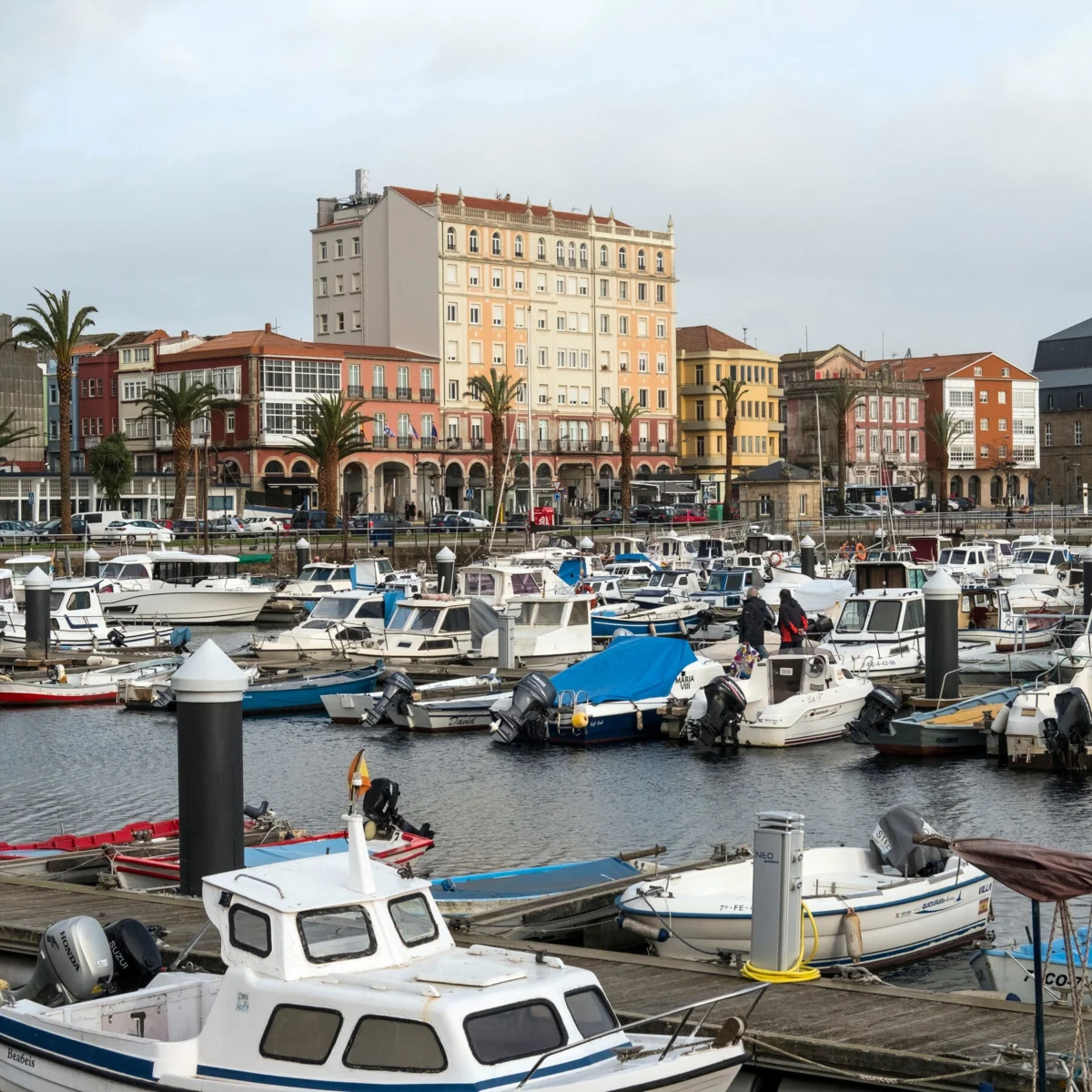
A proposed Chinese car plant in northern Spain has become a focal point of competing hopes and concerns, illustrating how foreign investment can simultaneously offer economic opportunity and strategic unease. Residents describe the facility as a potential lifeline, while critics warn it may carry long-term risks tied to deepening ties with China.
The project distills a broader tension across Europe, where governments weigh job creation against dependency on a major global power whose interests may not always align with Western democracies. For communities facing limited local growth, the appeal of new employment is clear; for analysts tracking geopolitics, the strategic calculus is more complex.
KEY FACTS
- Chinese car plant proposed in northern Spain.
- Residents say the project creates new jobs.
- Others call it a long-term risk.
- Debate reflects costs and perks of ties to China.
What Happens Next?
The fate of the proposed plant hinges on decisions still being made behind closed doors. Local officials must balance resident demand for employment against broader concerns about economic dependence. Regional and national authorities will likely assess the extent of Chinese ownership and financing before granting final approval.
Until formal filings are made public, the project remains in flux. Community meetings and policy reviews are probable next steps, though the exact timeline is unclear. What is certain is that the debate itself has already sharpened, reflecting a pattern seen in other European regions weighing major Chinese investments.
Who Is Affected?
Local workers and families in northern Spain form the core of those directly affected, as residents frame the plant as a source of new employment. Broader regional economies may also feel its impact, whether through expanded supply chains or shifts in industrial activity. Critics argue that communities across Spain and Europe face long-term risks if the project deepens strategic dependence on China.
Policymakers, investors, and ordinary citizens all have stakes in how the situation unfolds. While some see opportunity, others view caution as essential when balancing economic gain against geopolitical uncertainty.
How Did We Get Here?
Foreign direct investment from China has grown across Europe over the past decade, with governments courting manufacturers to boost domestic employment. In northern Spain, aging industries and limited growth prospects made outside capital an attractive option. At the same time, European leaders have grown more cautious about reliance on any single foreign power.
The proposed Chinese car plant represents one point along that evolving spectrum, where economic need meets strategic calculation. Public statements from both supporters and skeptics reflect a familiar divide that has shaped similar investment debates in ports, technology hubs, and manufacturing zones throughout the continent.
What We Know — and What We Don’t
Verified by the source:
- Residents say the plant would create new jobs.
- Some describe it as a long-term risk.
- The project reflects broader debate on ties to China.
Still unconfirmed:
- No specific location, company name, or timeline reported.
- Investment size and Chinese ownership details are not stated.
- Official approval process and expected completion date remain unclear.
- Number of jobs and conditions tied to employment are unspecified.
Why It Matters
The debate reflects a recurring challenge for European democracies: attracting investment and jobs while safeguarding strategic autonomy. As China’s global economic footprint expands, communities and governments face sharper choices between short-term gains and long-term dependencies.
What To Watch
Local authorities have not announced a formal decision schedule, but community input and policy reviews are probable next steps. Further reporting may clarify investment terms and government stance.