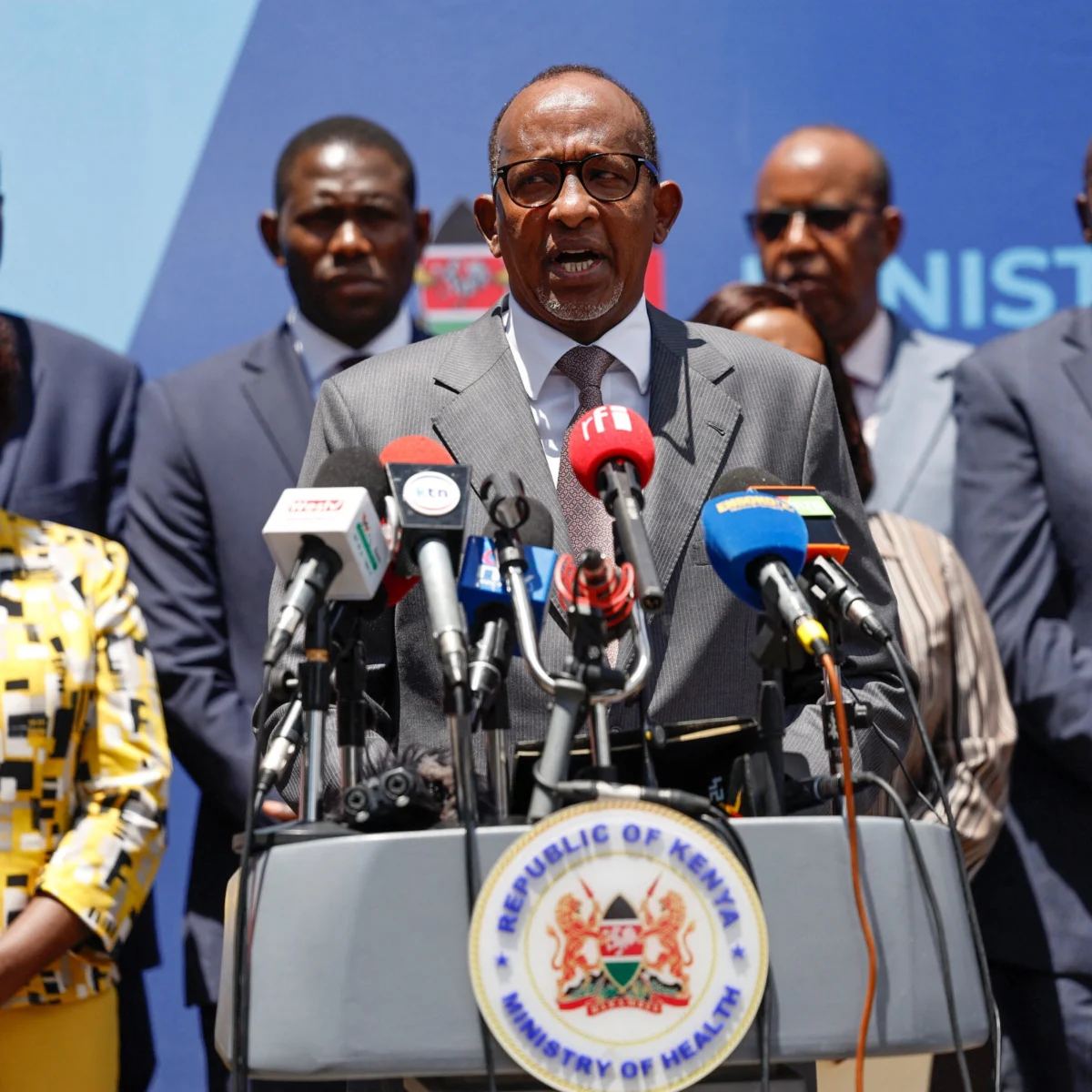
Kenya has confirmed its first Ebola case after a man arriving from the Democratic Republic of Congo tested positive for the virus, according to officials cited by NYT > World News. Authorities said the diagnosis was made and measures were being implemented to prevent further transmission, marking a significant public health alert for the country.
The case underscores the ongoing risk posed by cross-border movement in a region where Ebola outbreaks continue to emerge. Health experts have long warned that porous borders and limited infrastructure can complicate rapid response efforts, especially when communities live near frontiers with countries experiencing active outbreaks.
KEY FACTS
- Kenya records first Ebola case, linked to a traveler from the Democratic Republic of Congo.
- The affected individual was diagnosed with Ebola after arriving from the DRC.
- Authorities are taking measures to prevent spread of the virus within Kenya.
- The report is based on statements from Kenyan officials.
- No additional details on the patient’s condition or timeline of response were provided.
How Did Kenya Record Its First Ebola Case?
The Ebola case in Kenya was identified in a man who traveled from the Democratic Republic of Congo, a country currently experiencing or recently affected by Ebola outbreaks. According to the report, the individual was diagnosed upon arrival, raising immediate concerns about potential exposure during transit or after entering the country.
Ebola is a severe, often fatal illness caused by the Ebola virus, with symptoms including fever, severe weakness, muscle pain, and bleeding. The disease spreads through direct contact with blood or body fluids of symptomatic patients, making early detection and isolation crucial in preventing wider outbreaks.
Kenya’s last major Ebola scare occurred in previous years when travelers were quarantined for monitoring, though no widespread local transmission followed. This latest case has revived concerns among health professionals familiar with regional preparedness protocols.
What Happens Next After Confirming An Ebola Case?
Following confirmation of the Ebola case in Kenya, officials say they are implementing public health measures aimed at containment. These typically include contact tracing, surveillance of exposed individuals, and coordination with international partners such as the World Health Organization to ensure resources and guidance reach affected areas quickly.
The Democratic Republic of Congo has faced multiple Ebola outbreaks since 2018, including one declared over in mid-2024. Cross-border movement remains a challenge due to informal travel patterns and limited healthcare capacity along frontier zones. Surveillance systems must remain vigilant to detect secondary cases or signs of local spread.
In past responses, neighboring countries have activated emergency operations centers and deployed rapid response teams trained in infection prevention control. Whether Kenya will escalate its current response depends on developments in the days ahead.
What We Know — and What We Don’t
Verified by the source:
- A man arriving from the DRC was diagnosed with Ebola in Kenya.
- The virus was detected following arrival at an unspecified point.
- Measures are underway to prevent spread of the disease.
- The information comes from statements attributed to Kenyan officials.
Still unconfirmed:
- The exact date of arrival or symptom onset.
- Details about treatment facilities or isolation protocols used.
- Number of contacts traced or vaccinations administered.
- Potential links to ongoing or past outbreaks beyond the DRC.
Why It Matters
Ebola outbreaks in Central Africa pose recurring threats not only to local populations but also to global health security. With increasing population mobility and urbanization, even a single uncontained case can trigger regional alarms. Kenya plays a key role as a transport hub linking East Africa to international networks, meaning any lapse in containment could have far-reaching consequences.
What To Watch
Monday news cycles may bring updates on whether additional suspected cases emerge or if Kenya escalates its response. International observers are likely monitoring whether WHO or partner agencies deploy technical support or emergency funding in response.