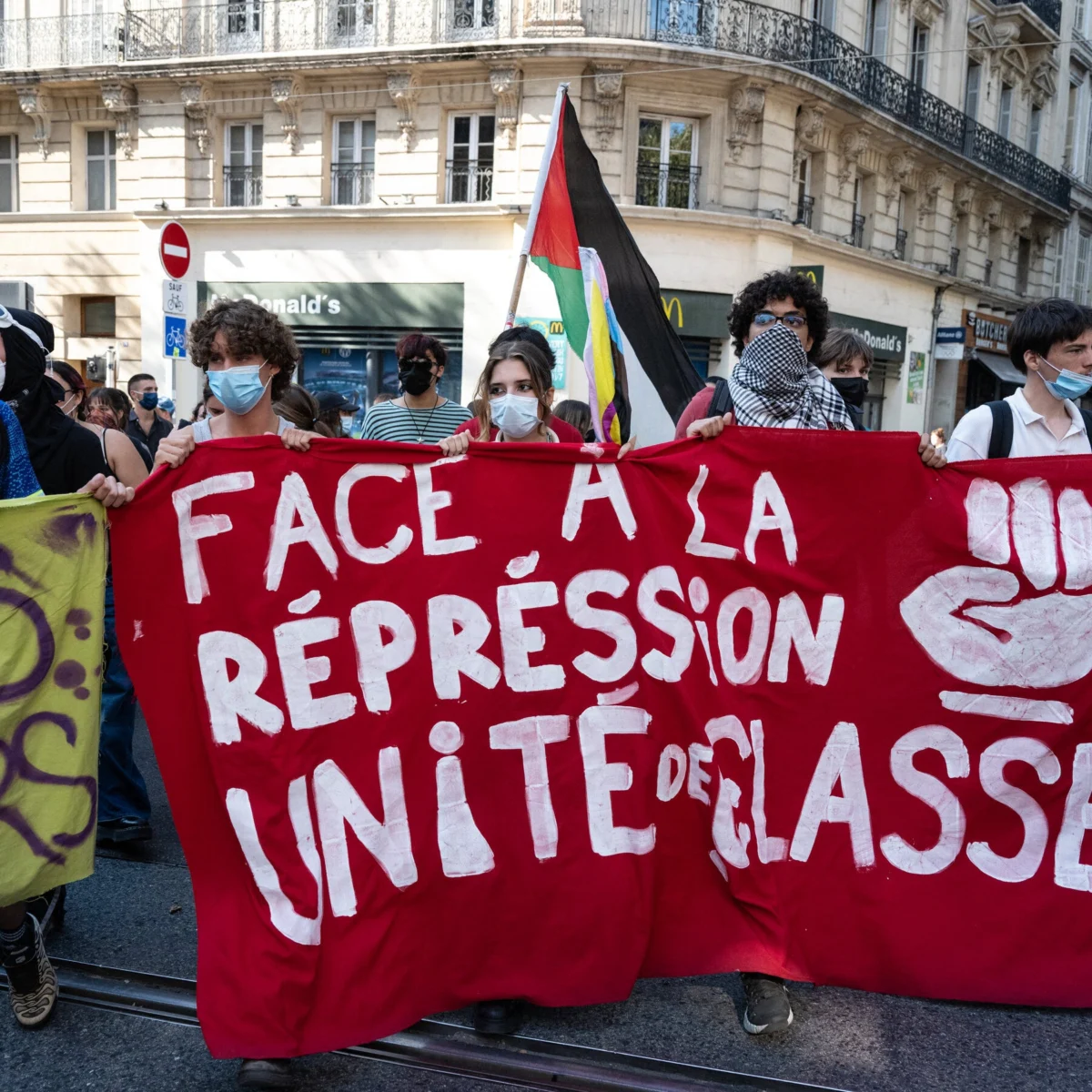
Student protests have spread across France, growing from school-based demonstrations that began in late September. The rallies mark a significant escalation in a student-led movement challenging government education policies. The protests have drawn participants beyond their original high school bases, with demonstrations now occurring in multiple cities nationwide. This expansion represents a critical test of the student-led protest movement’s organizational strength and public reach.
The movement began as localized actions within French high schools late last month, with students walking out of classrooms to voice opposition to proposed reforms. These initial demonstrations were largely confined to individual campuses, but organizers have since coordinated broader actions through social media and student unions. The transition from school grounds to city streets suggests a strategic shift aimed at maximizing visibility and pressure on policymakers.
Key Facts
- Student protests have spread across France since late September.
- The rallies originated as school demonstrations in high schools.
- The movement is led by students.
- Rallies are testing the strength of the student-led protest movement.
Who Is Affected?
The protests primarily impact high school students, who initiated the demonstrations over education policy concerns. Teachers and school administrators face disrupted classes during walkouts, while parents navigate changed routines when students leave campus. Beyond educational settings, commuters and local businesses may experience disruption where demonstrations occur in urban areas. Government officials overseeing education policy are the implicit targets of the protests, though no specific policy details were provided in the source.
Broader society feels indirect effects as the movement grows. If protests expand further, public transportation systems and commercial districts could see regular disruptions. Employers in major cities might also face minor logistical impacts. The student-led nature distinguishes these protests from previous nationwide strikes, which typically involved labor unions as primary organizers.
How Did We Get Here?
The demonstrations trace back to late September, when high school students began walking out of classes to protest proposed education reforms. These initial actions were localized and school-specific, reflecting grassroots discontent rather than centrally organized resistance. Student participants used social media platforms to coordinate timing and messaging, allowing the movement to gain momentum organically across different regions.
As participation increased, student unions and activist networks began amplifying the protests beyond individual campuses. This evolution from isolated incidents to nationwide rallies demonstrates how local grievances can rapidly transform into broader political movements. The current phase tests whether student-led initiatives can sustain momentum outside institutional frameworks.
What We Know — and What We Don’t
Verified by the source:
- Protests have occurred across multiple locations in France.
- Demonstrations began at French high schools in late September.
- The movement is organized and led by students.
Still unconfirmed:
- Specific policies triggering the protests remain unidentified.
- No casualty figures or arrest information reported.
- Participation numbers and geographic scope are unspecified.
- Government responses and timeline for resolution unclear.
Why It Matters
Young people organizing successful nationwide demonstrations signal shifting dynamics in civic engagement. Student-led movements often influence policy debates long after they conclude, making public attention today relevant for understanding future political trends in France and similar democracies worldwide.
What To Watch
Future developments will reveal whether student protests continue expanding or reach negotiated settlements with education authorities. Official responses expected soon could shape both immediate outcomes and long-term precedent for youth activism.