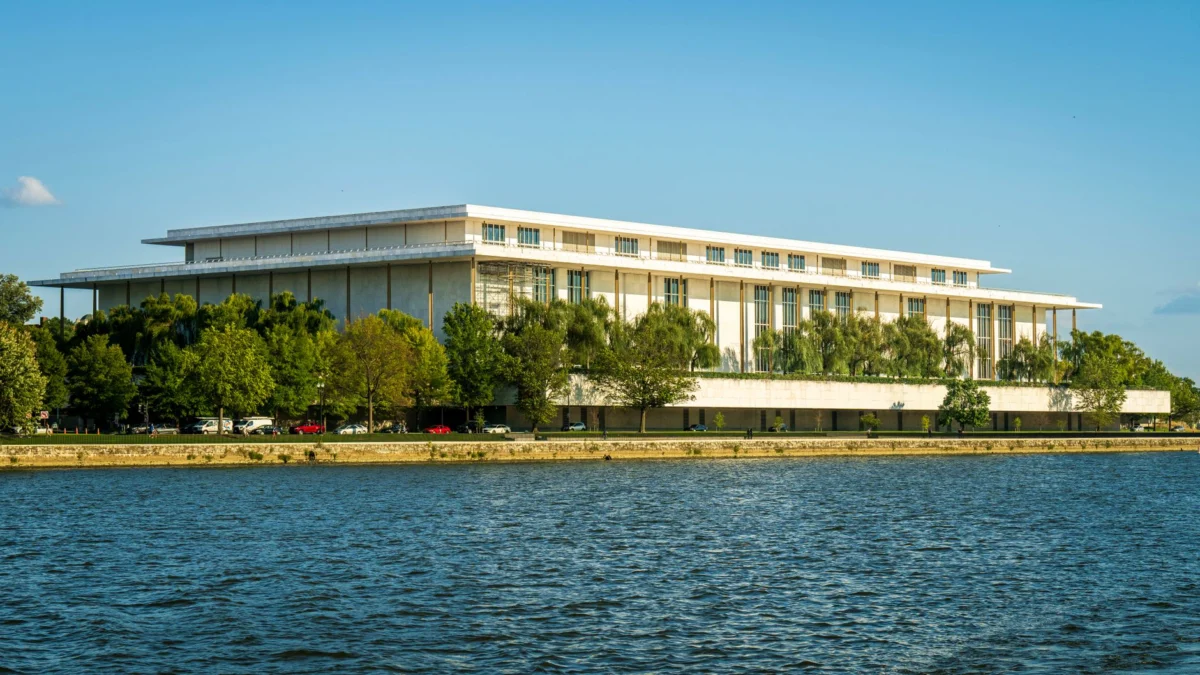
The Kennedy Center closure has been ordered following a judicial decision that blocks efforts to restore Trump’s name to the venue. The building’s public identity and future programming remain uncertain as leaders respond to the ruling. This development comes amid ongoing legal and political scrutiny surrounding the use of the former president’s name on cultural institutions.
KEY FACTS
- The Kennedy Center will close for renovations after a judge blocked returning Trump’s name to the building.
- The closure decision follows a federal court order tied to the naming dispute.
- The venue has not yet announced a reopening timeline or adjusted programming schedule.
- The case reflects broader tensions over branding and political symbolism in public venues.
What happens next?
The Kennedy Center closure means that renovations are set to begin without a confirmed completion date. During this period, public performances and events hosted at the venue are suspended. Officials have not outlined specific adjustments to existing event calendars or refund policies. Legal teams for both sides are expected to file further motions in the underlying case. The White House and cultural oversight bodies have not issued new directives regarding presidential involvement in arts funding. Observers note that similar disputes have influenced policy discussions in past administrations.
Who is affected?
The Kennedy Center closure impacts performers, staff, and audiences who rely on the venue for concerts and theatrical productions. Federal employees assigned to the center may face temporary reassignments during the renovation period. Taxpayers are also indirectly affected through potential delays in federally funded programming. Cultural organizations in Washington, D.C., may experience ripple effects if major events are relocated. Additionally, donors and sponsors involved in planned galas could reassess commitments amid ongoing uncertainty.
How did we get here?
The dispute traces back to prior attempts to reattach Trump’s name to the Kennedy Center’s marquee. Those efforts sparked legal challenges questioning whether such actions comply with federal guidelines for commemorative naming. A federal judge recently ruled against the restoration plan, prompting the announced closure. This ruling aligns with earlier precedents involving naming rights at federally operated cultural sites. Legal scholars say the outcome underscores the role of courts in mediating symbolic disputes involving executive authority. The Kennedy Center itself remains operational under separate management while physical access is restricted.
What We Know — and What We Don’t
Verified by the source:
- The Kennedy Center will close for renovations after the court blocked returning Trump’s name.
- The closure was directly linked to the judicial decision.
- No public reopening date has been provided.
Still unconfirmed:
- The legal basis cited by the judge in the ruling.
- Estimated duration of the renovation period.
- Whether alternative venues will host displaced events.
- The full list of affected stakeholders or staff changes.
- Potential appeals or next steps from either party.
Why it matters
The Kennedy Center closure highlights how branding decisions at prominent public venues intersect with political and legal frameworks. It serves as a reminder of the delicate balance between commemoration, governance, and public trust in cultural institutions funded by taxpayers.
What to watch: Further court filings are expected as the underlying naming dispute continues through litigation. The Kennedy Center has not specified whether the closure will affect upcoming seasons or funding allocations.
The Kennedy Center closure follows a judge blocking the return of Trump’s name to the building, illustrating the legal complexities behind presidential namesakes at national venues.