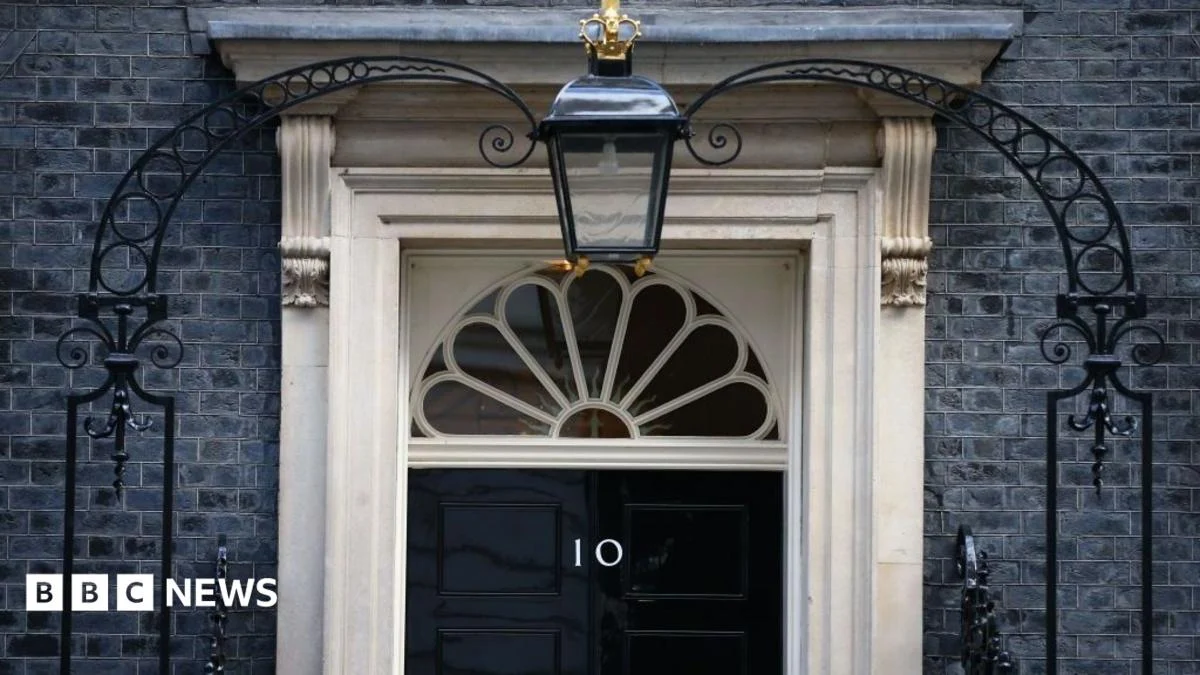
Keir Starmer’s government discussed plans to move out of 10 Downing Street, according to reporting by BBC News. The building has been described as a ‘gloomy, mice-infested, bomb-curtained rabbit warren,’ prompting internal conversations about relocating the seat of British political power.
The discussions mark one of the most significant logistical considerations faced by Starmer’s administration since taking office. While no final decision has been announced, the idea of leaving the centuries-old residence has raised questions about security, tradition, and the practical challenges of operating from an alternative location.
Key Facts
- Government discussed moving out of 10 Downing Street.
- Building described as a ‘gloomy, mice-infested, bomb-curtained rabbit warren’.
- Source: BBC News.
What prompted the Downing Street move?
The reported condition of 10 Downing Street has long been a point of concern among officials, with descriptions highlighting aging infrastructure and safety concerns. The term ‘bomb-curtained’ suggests lingering effects from historical events, including IRA attacks that damaged parts of the building in the past. These structural issues may contribute to the perceived need for relocation, though official statements on the matter remain limited.
Moving the seat of government from such a symbolically important site would be unprecedented in modern British politics. Any relocation would require coordination across multiple agencies, including security Services, facilities management, and parliamentary staff. The cost and complexity of such an undertaking would likely dominate public discourse if formal plans were advanced.
Who is affected by these discussions?
Should a decision to vacate 10 Downing Street be made, thousands of civil servants, advisors, and support staff would be impacted. Additionally, media access and ceremonial functions tied to the location would need to be re-established elsewhere. Public access to political leadership could also shift depending on where operations are temporarily or permanently housed.
Historically, the residence has served as both home and office for Prime Ministers since the 18th century. Changing this arrangement would represent a major departure from convention, potentially affecting diplomatic protocol and international perceptions of stability within the UK government.
What happens next?
No timeline or official announcement regarding the Downing Street move has been provided. Future updates may come through parliamentary questions, government press briefings, or statements from relevant departments overseeing estate management and national security matters.
What We Know — and What We Don’t
Verified by the source:
- Discussions about leaving 10 Downing Street occurred within the government.
- The building was characterized negatively in terms of structure and habitability.
- BBC News reported on these developments.
Still unconfirmed:
- Specific reasons behind considering the move.
- Identity of individuals involved in the discussions.
- Timeline or likelihood of an actual relocation.
- Estimated costs or proposed alternative locations.
Why It Matters
The potential departure from 10 Downing Street touches on broader themes of governance, transparency, and public trust. Symbolism plays a powerful role in politics, and any change to longstanding traditions can signal deeper institutional shifts that resonate far beyond ceremonial concerns.
What To Watch
Further clarity may emerge through upcoming parliamentary sessions or official communications from the Cabinet Office. Watch for any formal policy announcements or responses from opposition leaders addressing the implications of such a move.