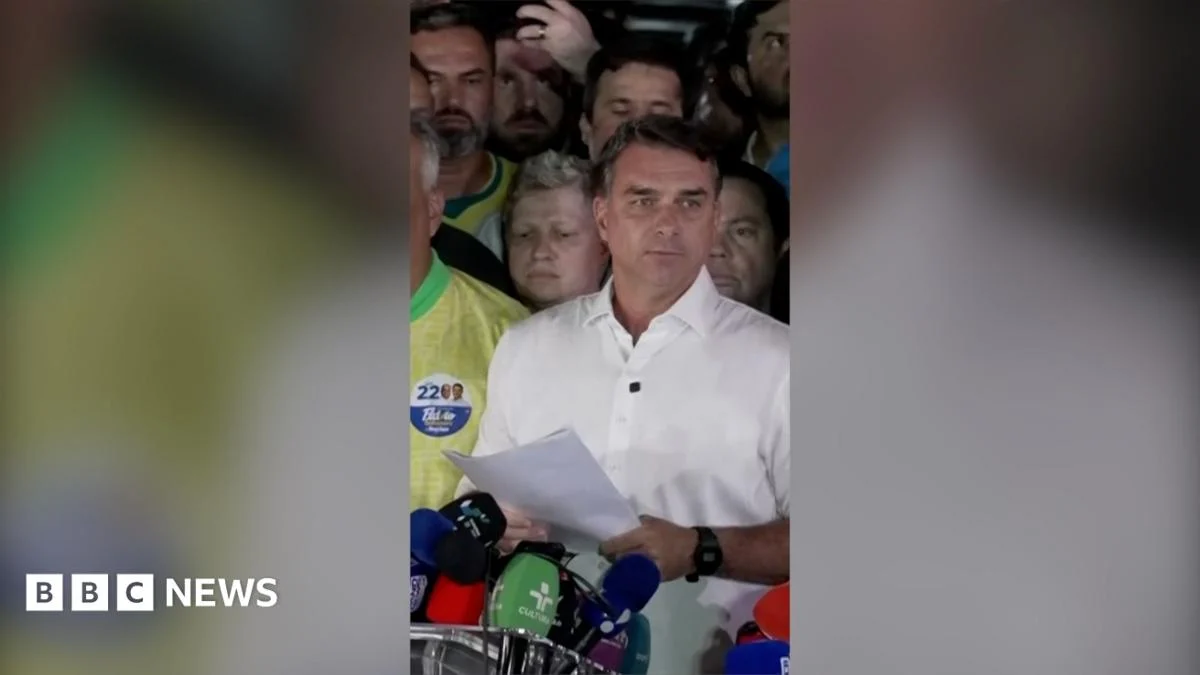
Flávio Bolsonaro called for the Brazilian election to be annulled after losing a tightly contested vote to left-wing President Lula, BBC News reported. The race was decided by a razor-thin margin, underscoring deep political divisions in the country. Bolsonaro’s call for annulment has sparked fresh controversy just days after the result was confirmed.
The outcome marks another chapter in Brazil’s volatile political landscape, where personal legacies and policy directions remain fiercely debated. Analysts say that regardless of the annulment push, the immediate focus now turns to how institutions respond and whether any formal challenges will mount.
Key Facts
- Flávio Bolsonaro called for election annulment after losing to President Lula.
- The vote was described as a knife-edge contest between Bolsonaro and Lula.
- Lula, a left-wing leader, won his fourth term as Brazil’s president.
What Happens Next?
The path forward remains uncertain. While Flávio Bolsonaro has publicly challenged the legitimacy of the vote, no official legal mechanisms have yet emerged to support such a move under Brazil’s democratic framework. Experts note that overturning a presidential election requires constitutional procedures that are rarely, if ever, used without overwhelming evidence of fraud or procedural violations.
Historically, Brazilian elections have been considered largely free and fair by international observers. However, this race reignited debates over transparency and trust in electoral systems—especially given its extremely narrow margin. Whether Bolsonaro’s annulment claim gains traction among allies or opposition lawmakers will determine next steps.
Who Is Affected?
All Brazilian citizens stand to be affected by the post-election tone and actions taken in response to the results. Citizens who backed either candidate may feel heightened concern depending on how much weight they assign to the annulment calls versus institutional reassurances.
Brazilian democracy itself faces renewed scrutiny at home and abroad. The outcome could influence investor confidence, diplomatic relations, and domestic stability—particularly if the country appears headed toward prolonged uncertainty or confrontation over the result.
What We Know — and What We Don’t
Verified by the source:
- Flávio Bolsonaro called for the election to be annulled.
- The final vote was extremely close (“knife-edge”).
- Lula secured his fourth non-consecutive term as president.
Still unconfirmed:
- Whether any formal legal process supports the annulment effort.
- Official vote count numbers or regional breakdowns.
- Statements from electoral authorities or military leadership.
Why It Matters
This development matters because it tests the resilience of Brazil’s democratic norms. In a world where contested elections increasingly strain governance, how Brazil manages dissent and dispute resolution sets precedent for stability—not only locally but also regionally and globally.
What To Watch
Observers should watch whether Brazil’s Supreme Electoral Court addresses the annulment request directly, and whether key political figures echo or distance themselves from Bolsonaro’s stance.