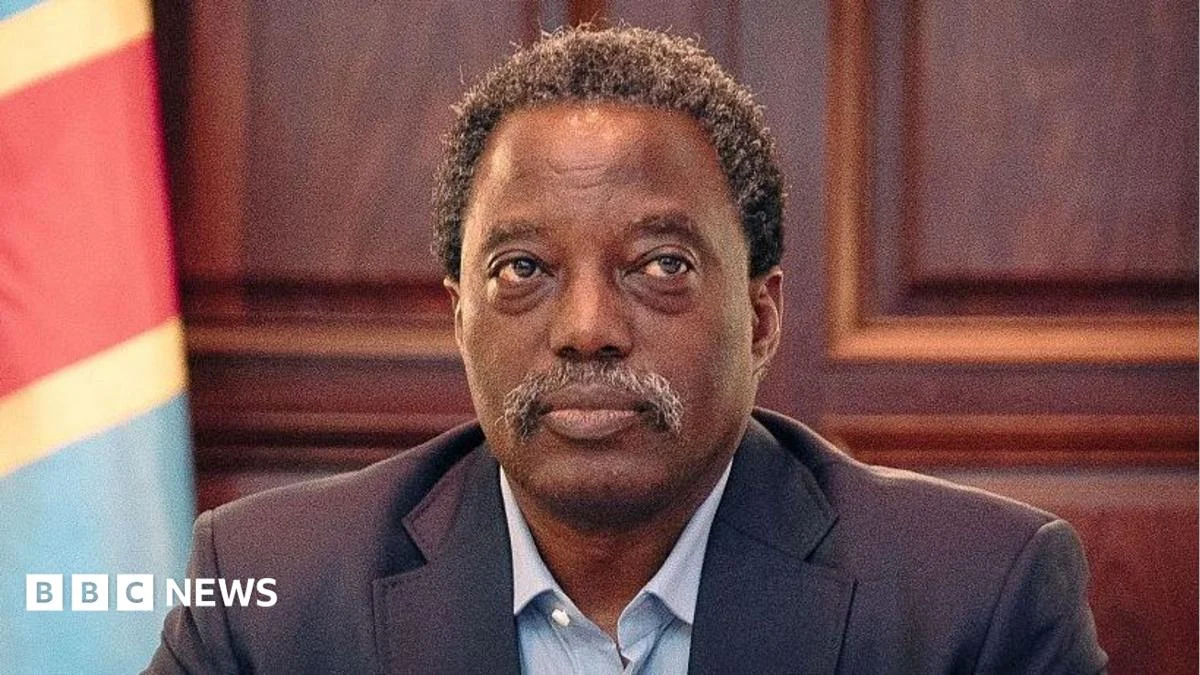
Joseph Kabila, the former president of the Democratic Republic of Congo, has been named the leader of a newly formed rebel coalition aligned with the M23 movement, according to BBC News. This comes after Kabila had previously denied any links to the M23 rebels, which control large parts of eastern DR Congo.
The announcement marks a significant shift in Kabila’s post-presidential profile and raises fresh questions about political stability in a region already plagued by ongoing conflict.
KEY FACTS
- Joseph Kabila named leader of new DR Congo rebel coalition.
- Kabila previously denied links to the M23 rebels.
- M23 controls much of eastern DR Congo.
Who Is Affected?
The populations of eastern DR Congo continue to bear the brunt of instability tied to armed groups like the M23. Civilians face displacement, disrupted livelihoods, and limited access to basic services. International observers and regional governments have long called for peace, but armed activity persists.
This latest development involving Kabila could complicate diplomatic efforts aimed at stabilizing the region. As a former head of state, his political weight adds attention to a coalition whose actions directly impact local communities and cross-border security.
How Did We Get Here?
Earlier reports confirmed that Joseph Kabila publicly distanced himself from the M23 before this week. His new leadership role signals either a change in position or deeper entanglement than previously acknowledged. The M23 has been active in North Kivu province for years.
Regional tensions remain high as neighboring countries express concern over spillover effects. Ongoing negotiations mediated by various African Union bodies have yet to produce lasting peace.
WHAT WE KNOW — AND WHAT WE DON’T
Verified by the source:
- Kabila leads a new rebel coalition linked to M23.
- He once denied having ties to the M23 rebels.
- The M23 holds territory in eastern DR Congo.
Still unconfirmed:
- No exact date given for the coalition’s formation.
- Details about the coalition’s structure or goals are missing.
- Reactions from other political figures are not specified.
- Independent corroboration beyond BBC is absent.
Why It Matters
The involvement of a former national leader in an armed coalition underscores persistent fragility in DR Congo. Given its mineral wealth and strategic location, instability there affects global supply chains and regional diplomacy. Readers should monitor developments closely, especially regarding humanitarian conditions in affected areas.
What To Watch
Official responses from the DR Congo government and international mediators may clarify next steps. Further reporting will help determine whether this represents a tactical alliance or broader realignment.