Lede
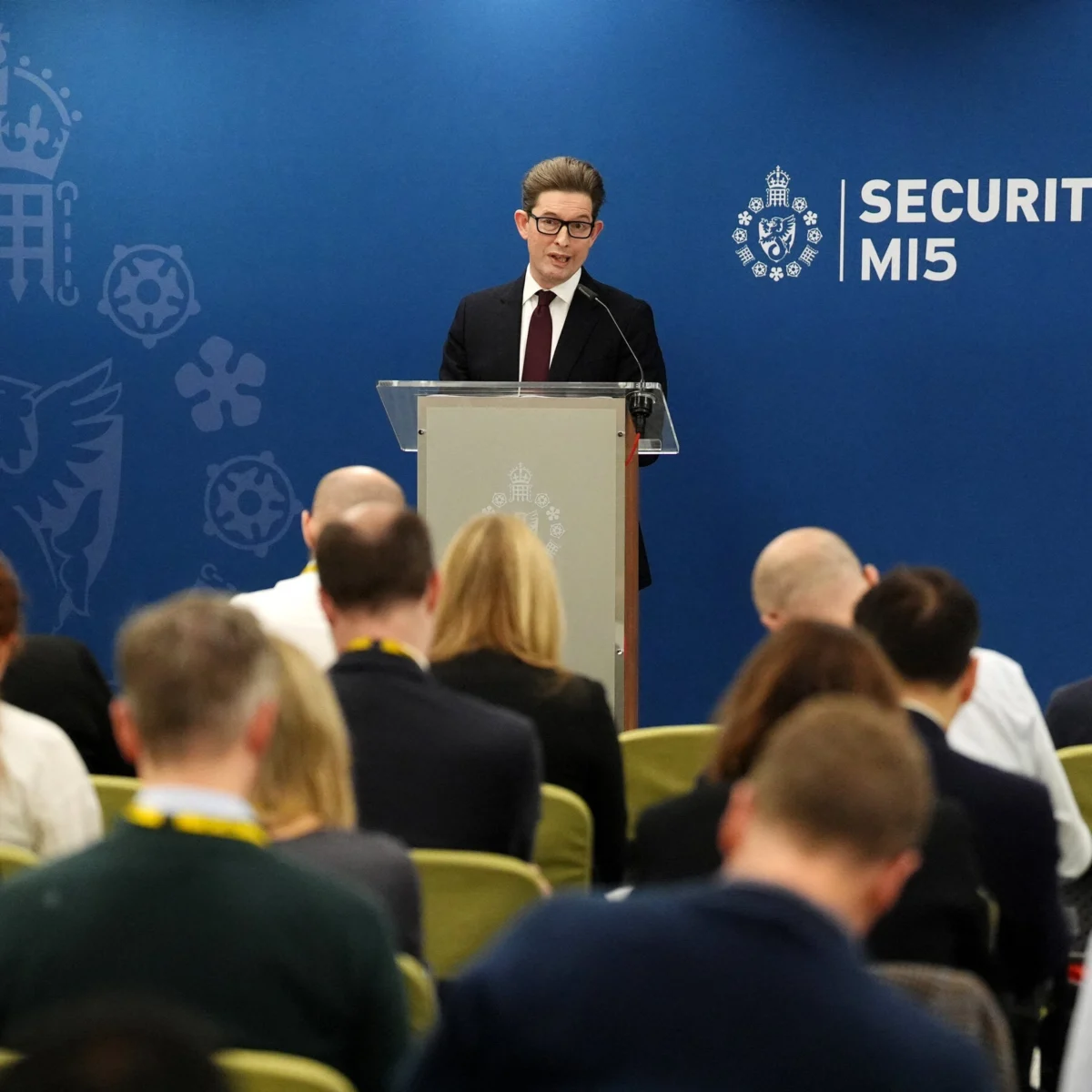
The head of Britain’s domestic security agency, MI5, has warned that Iran and Russia are escalating hybrid threats targeting the United Kingdom, and described Iran-led attacks against Jewish communities as sickening.
TheMI5 chief’s assessment highlights rising concern over covert influence, cyber operations, and other indirect tactics used by state and proxy actors. These hybrid threats blur traditional boundaries between peace and conflict, aiming to destabilize without triggering open warfare. The warnings underscore ongoing security challenges faced by Western democracies.
Authorities continue monitoring intelligence developments closely, though specific details of the alleged campaigns remain largely undisclosed to the public.
Key Facts
- The MI5 chief accused Iran and Russia of escalating hybrid campaigns in the U.K.
- Iran-led attacks on Jewish communities were called ‘sickening’ by the official.
- The statements reflect concerns over covert state-sponsored influence operations.
- Details of the hybrid threats have not been publicly disclosed.
The Story
What Are Hybrid Threats?
Hybrid threats combine conventional and non-conventional tools such as cyberattacks, disinformation, economic pressure, and proxy activities. They allow states to exert influence while avoiding direct military confrontation. In the European context, these tactics have increasingly targeted electoral processes, critical infrastructure, and minority communities.
Western security services have previously flagged Russian use of such methods, including alleged interference in elections and assassination attempts. Iran has also been linked to intelligence operations abroad, particularly involving surveillance of dissidents and opposition groups.
TheMI5 chief’s remarks suggest a broadening scope of these threats, with both nations now identified as active actors within the U.K.
Who Is Affected?
Jewish communities in the U.K. appear to be among the targets cited in the warnings. The term ‘Iran-led attacks’ implies potential links between Tehran’s regional allies and local operatives.
Beyond religious minorities, hybrid campaigns typically aim at sowing division across society. This may include targeting political figures, media outlets, or civic institutions seen as supportive of government policy.
MI5’s public messaging also serves to alert citizens and stakeholders about possible risks without revealing sensitive operational information.
How Did We Get Here?
Tensions involving Iran and Russia have simmered for years, intensified by geopolitical rivalries and proxy conflicts. Both countries have faced sanctions and diplomatic isolation from Western powers.
In recent times, intelligence agencies have observed increased activity attributed to these states operating overseas. Public warnings often serve dual purposes: informing policymakers and signaling deterrence to adversaries.
TheMI5 chief’s strong wording reflects a growing belief that hybrid warfare poses systemic risks requiring sustained vigilance and cross-sector coordination.
What We Know — and What We Don’t
Verified by the source:
- The MI5 chief accused Iran and Russia of escalating hybrid campaigns in the U.K.
- He called Iran-led attacks on Jewish communities ‘sickening.’
Still unconfirmed:
- No specific examples or timelines of the attacks were provided.
- No names or titles of officials quoted directly in the source.
- It remains unclear whether formal responses or countermeasures are underway.
Why It Matters
Hybrid threats pose long-term dangers to democratic governance and social cohesion. When foreign actors exploit divisions or target vulnerable groups, the fabric of trust within societies weakens. Governments worldwide must balance transparency with national security when addressing such risks. For residents, understanding the nature of these invisible battles helps foster resilience against manipulation and fear.
What To Watch
Public statements from MI5 or related bodies may offer further clarity on mitigation efforts. Analysts expect continued emphasis on strengthening cybersecurity, counter-disinformation strategies, and community-level protection programs. Updates will likely emerge through official briefings rather than speculative media coverage.