At 9:15 a.m. on a rainy Thursday, the courtroom doors at Bristol Crown Court swung open to reveal a jury of twelve, their faces set, as the verdict in the Bristol murder trial was read.
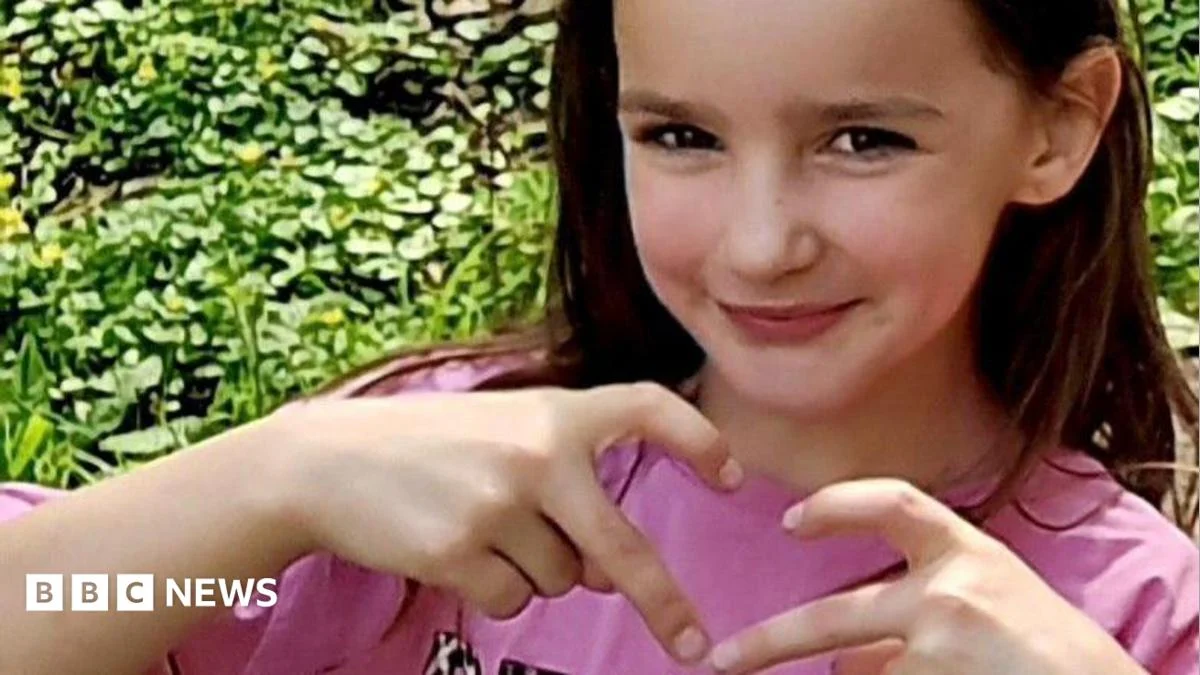
Sixteen‑year‑old Ethan James Hains, charged with the murder and manslaughter of nine‑year‑old Eliza Barlow, was found not guilty.
The case had dominated headlines since December 2023, when Eliza’s body was discovered in a woodland area near the city. Police had arrested Hains a week later, and his trial began in February 2026.
What the jury decided
The foreperson announced, “We are unanimous in our verdict – not guilty,” ending months of speculation and a high‑profile police operation that cost nearly £2 million.
Hains, who had remained silent throughout the proceedings, was escorted out of the dock, his mother weeping openly. The victim’s family, seated in the public gallery, covered their faces with handkerchiefs, their grief palpable.
Why does this matter?
The verdict raises questions about how the justice system handles cases involving minors, both victims and defendants. Legal experts note that the age of criminal responsibility in England and Wales is ten, yet the public remains uneasy about teenagers standing trial for serious crimes.
For parents, teachers and policy‑makers, the case underlines the need for clearer guidance on safeguarding children and early intervention strategies to prevent such tragedies.
“The jury’s decision reflects the evidence presented, not public pressure,” a legal commentator wrote in the BBC report, highlighting the independence of juries even in emotionally charged cases.
What happens next?
With the acquittal, Hains is released under the conditions set by the Youth Justice Board. He will be subject to a supervision order for the next 12 months, including counseling and educational support.
Eliza’s family has announced plans to establish a charitable trust in her name, aimed at funding child‑safety programmes in Bristol schools.
Lawyers for the Crown said they will review the trial transcript to assess whether any procedural errors occurred, though no immediate appeal is expected.
As the city tries to heal, the case serves as a stark reminder that justice is not only about verdicts, but also about the broader systems that protect our most vulnerable.
Stay tuned for updates on the Crown’s review and the launch of the Eliza Barlow Trust.