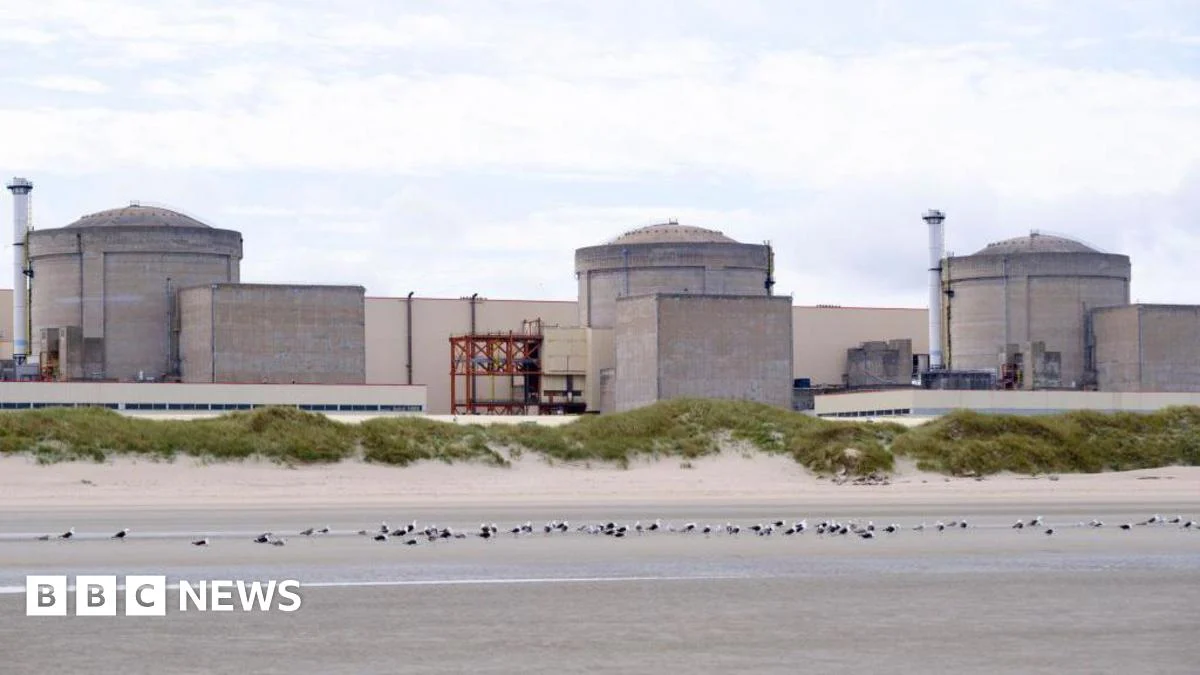
Jellyfish have once again caused a partial shutdown of the Gravelines nuclear power station in northern France, marking the second consecutive year such an incident has occurred. The influx of jellyfish disrupts the plant’s cooling systems, forcing temporary closures to prevent damage and ensure safety.
The Gravelines plant, a key facility in France’s nuclear energy infrastructure, relies on seawater for cooling its reactors. When jellyfish swarm the intake pipes, they clog the system, necessitating immediate action to avoid overheating. This recurring issue highlights the delicate balance between environmental factors and energy production.
KEY FACTS
- Jellyfish forced a partial shutdown of the Gravelines nuclear power station in northern France.
- This is the second consecutive year jellyfish have caused such an incident.
THE STORY
What causes jellyfish to disrupt nuclear plants?
Jellyfish blooms are natural phenomena that occur when conditions favor the rapid reproduction of jellyfish. These blooms can lead to massive swarms that enter the cooling systems of coastal power plants. Once inside, jellyfish clog the intake pipes, reducing the efficiency of the cooling process and potentially causing overheating if not addressed promptly.
How does the Gravelines plant handle such incidents?
The Gravelines plant, like other coastal nuclear facilities, has protocols in place to deal with jellyfish intrusions. When a swarm is detected, the plant temporarily shuts down affected reactors to clear the blockage and inspect the cooling systems. This ensures the safety and efficiency of the plant while minimizing environmental impact.
WHAT WE KNOW / WHAT WE DON’T
Verified by the source:
- Jellyfish caused a partial shutdown at the Gravelines nuclear power station.
- This is the second consecutive year such an incident has occurred.
Still unconfirmed:
- The exact dates of the shutdowns.
- The specific measures taken by the plant to clear the jellyfish and prevent future incidents.
WHY IT MATTERS
The recurring issue of jellyfish disrupting nuclear plants underscores the vulnerability of critical infrastructure to natural phenomena. It also highlights the need for innovative solutions to mitigate such risks and ensure stable energy production.
WHAT TO WATCH
Efforts to develop new technologies or strategies to prevent jellyfish from clogging cooling systems in nuclear plants are likely to gain attention in the coming years.