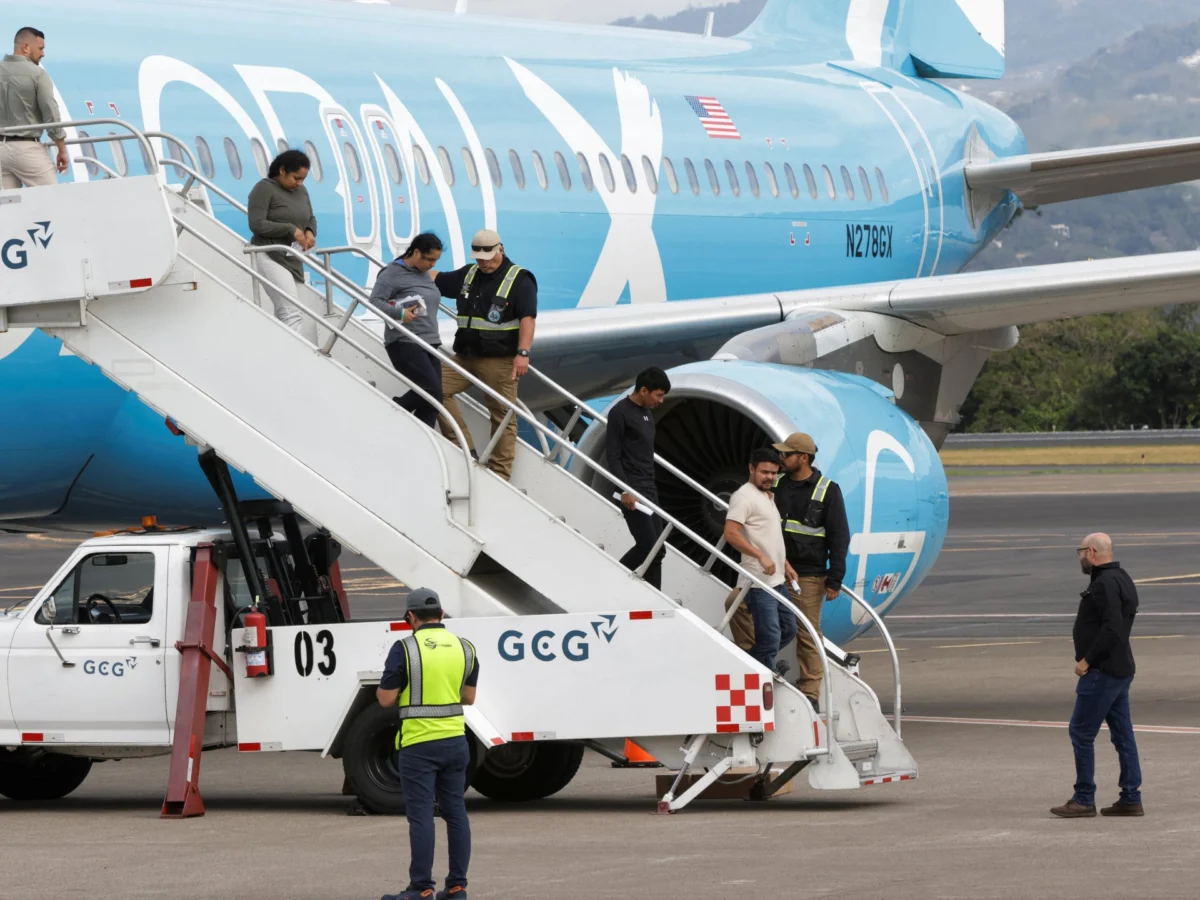
Jamaica accepted its first flight of third-country deportations arranged by the United States, following an agreement that opposition leaders say has not been made public. The arrival marks a new phase in a deportation deal between the Trump-era White House and Jamaican authorities, though key details of the arrangement remain undisclosed.
The lack of transparency has prompted scrutiny from Jamaica’s opposition, which has raised concerns about accountability and public oversight. While the government has moved forward with the deportations, officials have not released the full terms of the agreement, leaving unanswered questions about legal safeguards and repatriation processes.
Key Facts
- Jamaica accepted its first flight of third-country deportations from the US
- Opposition leaders questioned why the deportation deal has not been made public
- The agreement was made with the Trump White House, according to the source
- The deal involves third-country nationals being deported via Jamaica
- The source did not specify the number of individuals or the legal framework used
What Is the Deportation Deal?
The arrangement, reportedly signed during the Trump administration, allows for the transfer of third-country nationals through Jamaican territory. These are individuals who entered the US without valid documentation and are not citizens of the destination country. Jamaica’s role appears to be facilitating transit rather than final resettlement, though the extent of participation remains unclear due to the absence of official documentation from local authorities.
Such agreements often involve coordination between immigration agencies and require bilateral consent. However, because the Jamaican government has not published the deal’s text, legal experts and civil society groups have expressed concern over due process protections for those affected.
Who Is Affected by These Deportations?
Third-country nationals are individuals whose home countries are different from where they entered or currently reside. In this case, it means people removed from the US who may not hold Jamaican citizenship or legal status in Jamaica. Their identities, legal statuses, and final destinations remain unknown, complicating humanitarian efforts and advocacy.
Critics argue that routing deportees through intermediary nations can expose vulnerable populations to detention or refoulement risks without adequate safeguards. Without further disclosures from either Washington or Kingston, families and lawyers are left uncertain about ongoing cases or future removals.
How Did We Get Here?
The policy aligns with broader shifts in US immigration enforcement under the Trump administration, which sought external partnerships to manage migration flows. Jamaica’s involvement reflects a trend among Caribbean states engaging with American counterparts on border security matters, albeit quietly. The absence of public discourse suggests limited parliamentary debate or civil oversight prior to implementation.
This first flight signals operational readiness but also highlights tensions around sovereignty and accountability. As regional cooperation increases, so does the demand for clarity regarding legal obligations and human rights compliance — issues now under renewed attention from Jamaican lawmakers.
What We Know — and What We Don’t
Verified by the source:
- Jamaica accepted its first flight of third-country deportations from the US
- The deal was made with officials from the Trump White House
- Opposition leaders questioned the lack of public disclosure regarding the agreement
- The deportations involve third-country nationals transiting through Jamaica
Still unconfirmed:
- The number of individuals involved in the first flight
- The exact date of arrival or origin of the deportees
- The legal framework governing the agreement
- Whether any protections exist for those being deported
- The extent of parliamentary approval or public consultation
Why It Matters
For migrants and their families, the secrecy surrounding such deals creates uncertainty about rights and procedures. On a wider scale, these arrangements raise questions about regional responsibility-sharing and adherence to international humanitarian norms — especially when carried out without public scrutiny.
What To Watch
It remains to be seen whether the Jamaican government will release details of the agreement or respond to calls from the opposition for transparency. Further flights are possible depending on continued cooperation with US authorities.
Jamaica’s acceptance of third-country deportations marks a sensitive start to an opaque US immigration partnership.