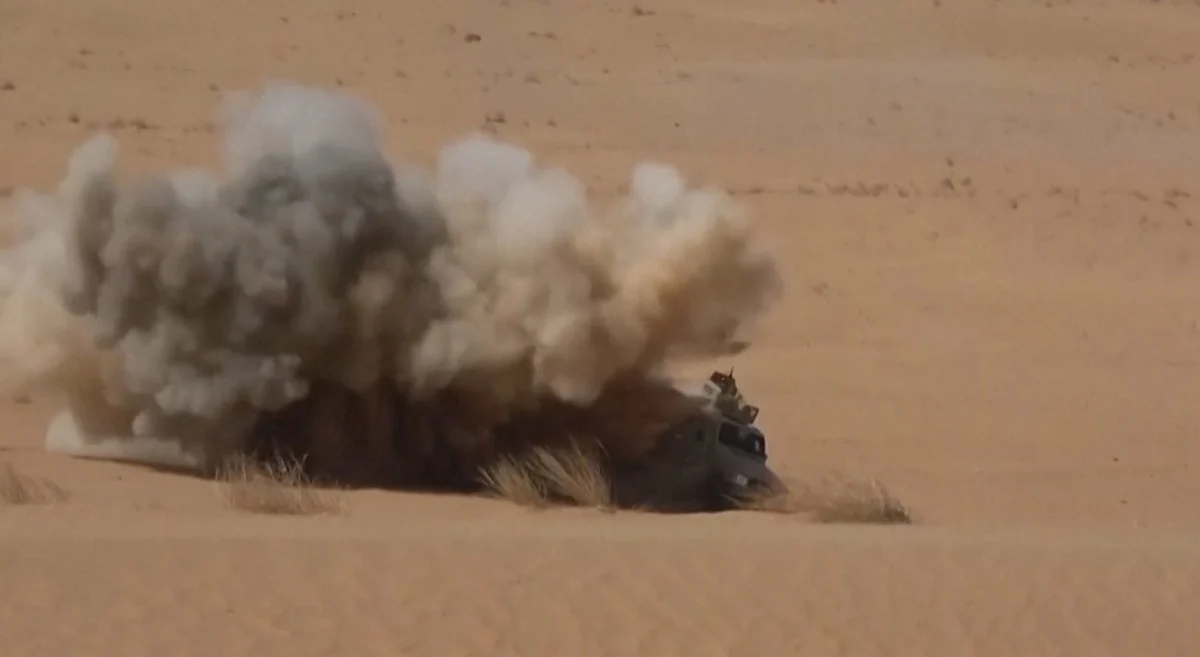
Saudi Arabia said its air defenses intercepted Houthi missiles targeting the capital Riyadh and the eastern city of Dhahran, as fighting along the Yemen border continues to escalate. Falling debris from the intercepted projectiles injured people, though the extent of casualties was not specified in initial reports.
The latest developments come as cross-border hostilities between Saudi-led coalition forces and Houthi fighters have grown more frequent in recent weeks, raising concerns about a broader regional escalation.
Key Facts
- Saudi Arabia said it intercepted missiles over Riyadh and Dhahran.
- Falling debris from the intercepted missiles caused injuries.
- The report was attributed to Saudi defense officials via Al Jazeera.
- The interception occurred as battles intensify along the Yemen border.
The Story
What happens next?
The Houthi missile launches and subsequent Saudi interceptions suggest a continued pattern of cross-border escalation. While Saudi Arabia has maintained its air defense posture for years, the growing frequency of such incidents raises questions about whether these exchanges will remain contained or evolve into larger confrontations. Analysts monitoring the region note that both sides possess capabilities that could lead to further spillover if de-escalatory measures are not pursued.
No formal statements from either party were included in the latest report, leaving room for speculation. However, given the sensitivity of targeting major urban centers like Riyadh and Dhahran, the stakes for miscalculation appear high. The international community often calls for restraint during such periods, though concrete diplomatic engagement has yet to be publicly detailed.
Who is affected?
Civilians in Riyadh and Dhahran are directly impacted by the falling debris resulting from the intercepted missiles. Injuries reported from this incident underscore the vulnerability of populated areas during active conflict zones. Beyond the immediate physical harm, such events contribute to ongoing fear and instability among residents in cities that have previously experienced similar attacks.
Military personnel and defense systems operators face increasing pressure as they respond to each incoming threat. Meanwhile, humanitarian actors working in the broader region are likely assessing how these developments affect displaced populations and aid delivery efforts across Yemen and neighboring countries.
How did we get here?
Years of conflict between the Saudi-led coalition and Houthi forces in Yemen have seen recurring cycles of tension and retaliation. Cross-border missile fire and drone strikes have become common tactics employed by both sides. Recent months have witnessed a notable uptick in cross-border activity, including missile launches aimed at Saudi territory.
These clashes stem from longstanding political divisions within Yemen and external interventions by regional powers supporting various factions. As each side seeks advantages on land and in public perception, attacks on symbolic targets serve both strategic and psychological purposes.
What We Know — and What We Don’t
Verified by the source:
- Missiles were intercepted over Riyadh and Dhahran.
- Falling debris injured people.
- Battles have intensified according to Saudi officials.
Still unconfirmed:
- The number of injured individuals or severity of injuries.
- The exact timing of the missile launches or interceptions.
- Whether any missiles successfully reached their intended targets.
- Identity or affiliation of the operators behind the missile launches.
Why It Matters
This episode highlights the volatile nature of ongoing regional conflicts where civilian populations bear the brunt of military actions. Continued escalation threatens not only local stability but also global energy markets and international diplomatic efforts aimed at achieving peace in Yemen.
What To Watch
Further developments may include additional missile alerts, official responses from Saudi or Houthi leadership, or renewed calls for negotiations from international mediators.
Saudi missile defense activity reflects rising tensions along the Yemen frontier.