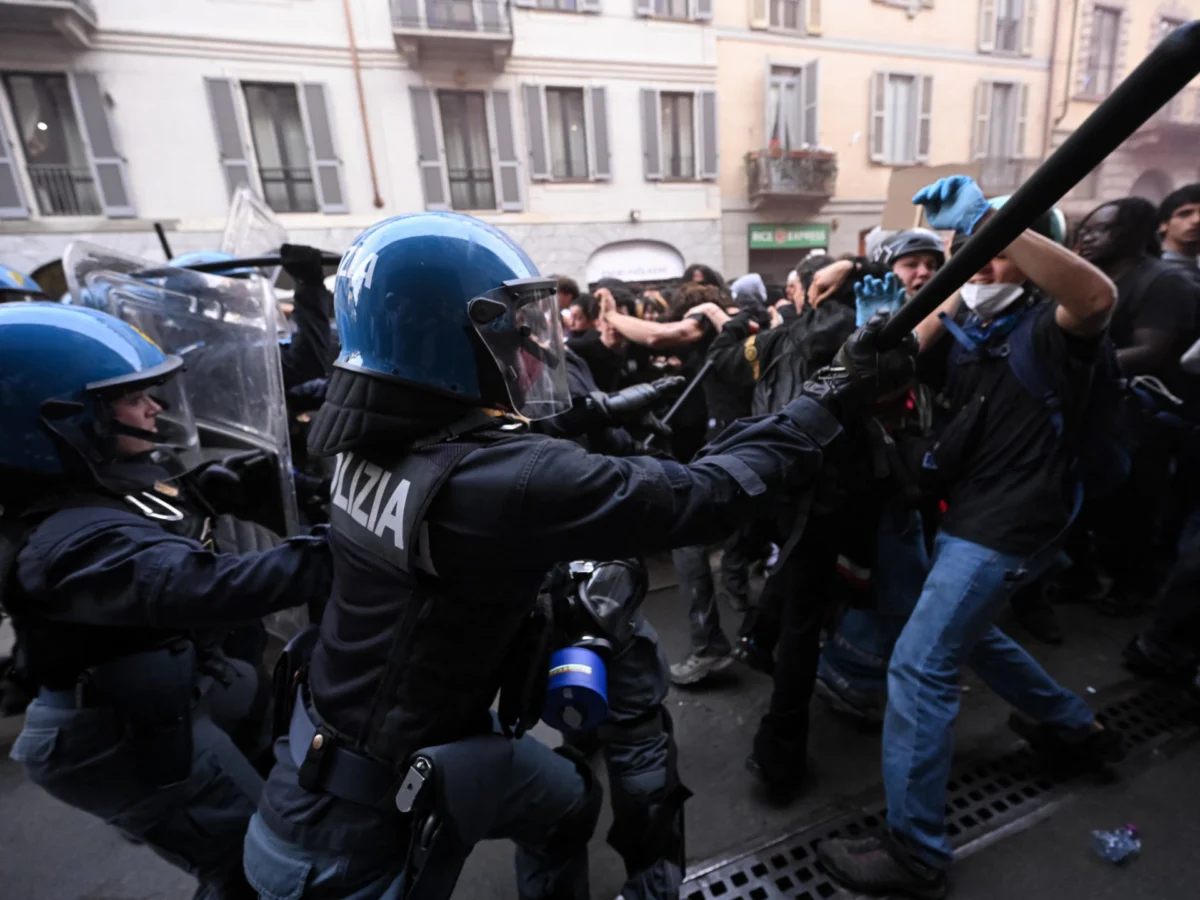
Italy’s government has approved sweeping security measures in response to widespread protests and clashes, including the deployment of 500 troops to Milan. These actions signal a significant escalation in the state’s approach to managing public dissent and maintaining order.
The decision follows days of unrest, with demonstrators taking to the streets over economic and policy concerns. In the aftermath, authorities moved swiftly to reinforce security protocols, particularly in key urban centers like Milan.
KEY FACTS
- Italy approves sweeping security measures after protests.
- Government deploys 500 troops to Milan.
- Measures follow clashes linked to ongoing demonstrations.
- Actions taken amid rising domestic unrest.
What Triggered the Response?
While the source confirms that protests and clashes prompted the government’s action, it does not specify the underlying causes of the demonstrations. Economic discontent, labor disputes, or opposition policies can often fuel mass demonstrations in European democracies. Regardless of origin, such unrest frequently prompts governments to invoke emergency powers or deploy military units for civic support.
In Italy’s case, the deployment of 500 troops suggests a measured but firm reply. Military personnel are occasionally used for logistical or ceremonial duties during civil emergencies, though their direct involvement in policing remains limited by law. The scope and duration of their assignment remain unclear based on current reporting.
What Happens Next?
With security measures now in place, attention turns to whether further deployments or restrictions may follow. Governments typically assess the effectiveness of initial responses before announcing additional steps. If protests persist or intensify, more expansive measures could be considered.
Citizens and observers alike will watch for signs of dialogue between the government and protest leaders. History shows that prolonged tension often requires negotiation or policy adjustments to ease tensions. However, the source provides no indication of planned talks or concessions at this stage.
What We Know — and What We Don’t
Verified by the source:
- The government approved sweeping security measures.
- 500 troops were sent to Milan.
- Clashes and protests preceded the decision.
Still unconfirmed:
- The cause of the initial protests.
- The legal framework authorizing troop deployment.
- Whether more regions will see similar measures.
- Timeline for withdrawal or review of the troops.
Why It Matters
For Italian citizens, these developments mark a pivotal moment in how civil unrest is managed nationally. Such measures shape public discourse, influence electoral sentiment, and test the balance between order and liberty. On a broader scale, they resonate across Europe, where governments grapple with rising polarization and civic unrest.
What To Watch
Future statements from officials may clarify the duration of the deployment and any planned policy shifts. Monitor local media for updates on protest activity or negotiations.