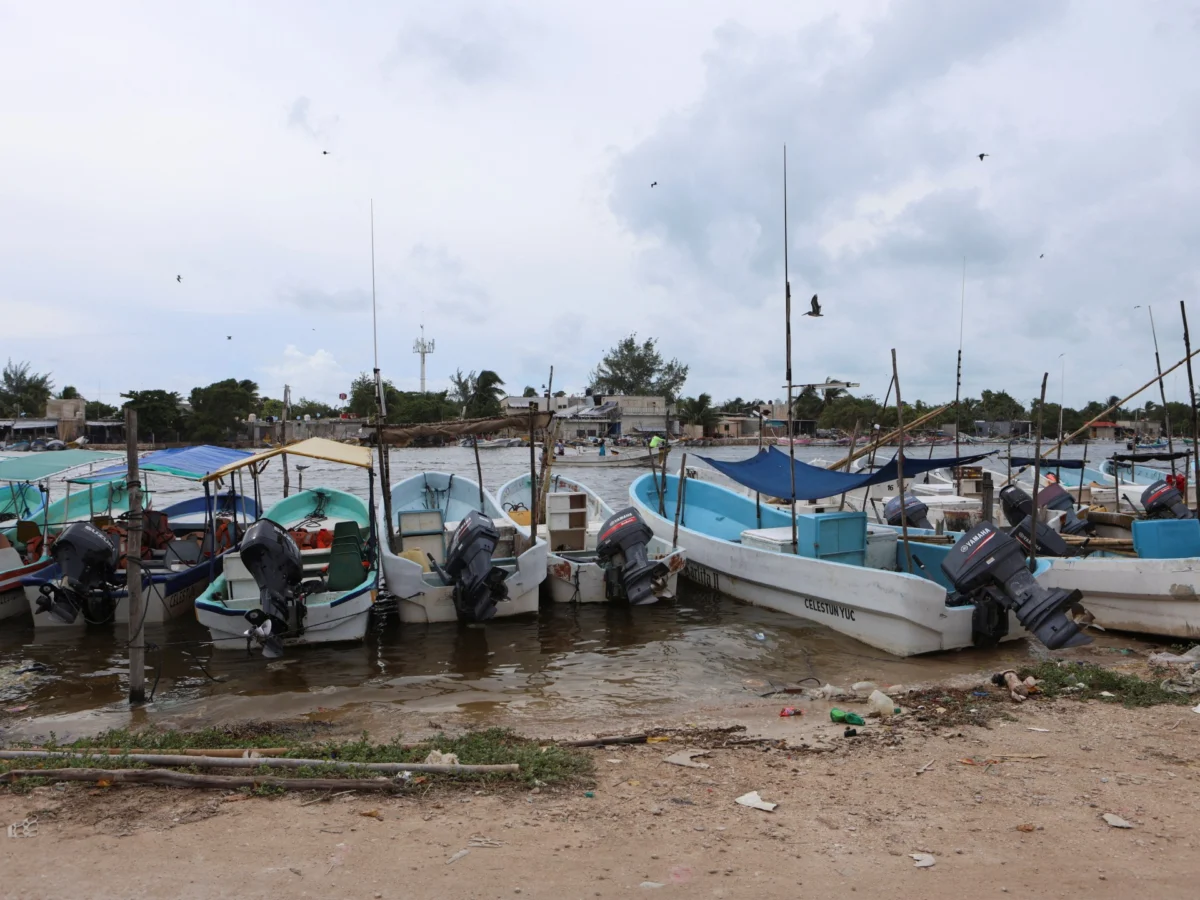
Fecal waste is polluting drinking water in Mexico’s Yucatan, according to a report released by Greenpeace. The environmental group identified nearby pig farms and municipal wastewater as the likely sources of contamination. The finding raises concerns about water safety and public health in the region.
The report highlights ongoing challenges with waste management and water treatment infrastructure. Greenpeace’s findings suggest that agricultural and municipal runoff may be contributing to widespread contamination of groundwater and surface water supplies used for drinking.
KEY FACTS
- Pollution location: Mexico’s Yucatan region.
- Pollution type: Fecal waste in drinking water.
- Likely sources: Nearby pig farms and municipal wastewater.
- Reporting organization: Greenpeace.
Who Is Affected?
Local communities across Mexico’s Yucatan region rely on groundwater and surface water sources that may now be contaminated with fecal waste. These water supplies are commonly used for drinking, cooking, and sanitation. Without proper treatment, exposure to fecal contamination can lead to serious health risks, including gastrointestinal illness and the spread of waterborne diseases. Vulnerable populations such as children, the elderly, and immunocompromised individuals face the highest risk of infection.
The presence of fecal waste in drinking water suggests systemic failures in waste management and water treatment. Municipal systems may lack adequate infrastructure to process wastewater safely, while agricultural operations could be releasing untreated effluent into nearby water bodies. Combined, these factors contribute to the degradation of water quality and underscore the urgent need for regulatory oversight and improved waste handling practices.
How Did We Get Here?
The contamination stems from two primary sources: pig farms and municipal wastewater systems. Industrial-scale hog farming generates large volumes of waste that, if not properly managed, can leach into groundwater or run off into rivers and cenotes — natural sinkholes that serve as key water sources in the Yucatan. Similarly, outdated or insufficient municipal wastewater infrastructure may discharge partially treated or untreated sewage into surrounding ecosystems.
These issues reflect broader environmental and infrastructure challenges in the region. Rapid development, tourism growth, and agricultural expansion have increased pressure on water resources without corresponding investment in sanitation systems. As a result, contaminants like fecal waste continue to infiltrate drinking water supplies, posing long-term risks to both human health and ecological systems.
What We Know — and What We Don’t
Verified by the source:
- Fecal waste has polluted drinking water in Mexico’s Yucatan.
- Nearby pig farms are a likely source of contamination.
- Municipal wastewater is another likely source of contamination.
- Greenpeace published the report detailing these findings.
Still unconfirmed:
- Exact geographic areas within Yucatan affected.
- Extent of contamination or number of people impacted.
- Specific response or action taken by Mexican authorities.
- Timeframe of data collection or report publication.
Why It Matters
Water contamination affects public health and highlights the need for stronger environmental protections. In regions where clean water access is already limited, fecal pollution worsens inequalities and increases disease risk. Addressing this issue requires coordinated efforts from governments, farmers, and communities to improve waste management and safeguard water resources for future generations.
What To Watch
Mexican officials have not yet responded publicly to Greenpeace’s report. Further independent testing and governmental action will be necessary to confirm the full scope of contamination and implement corrective measures.