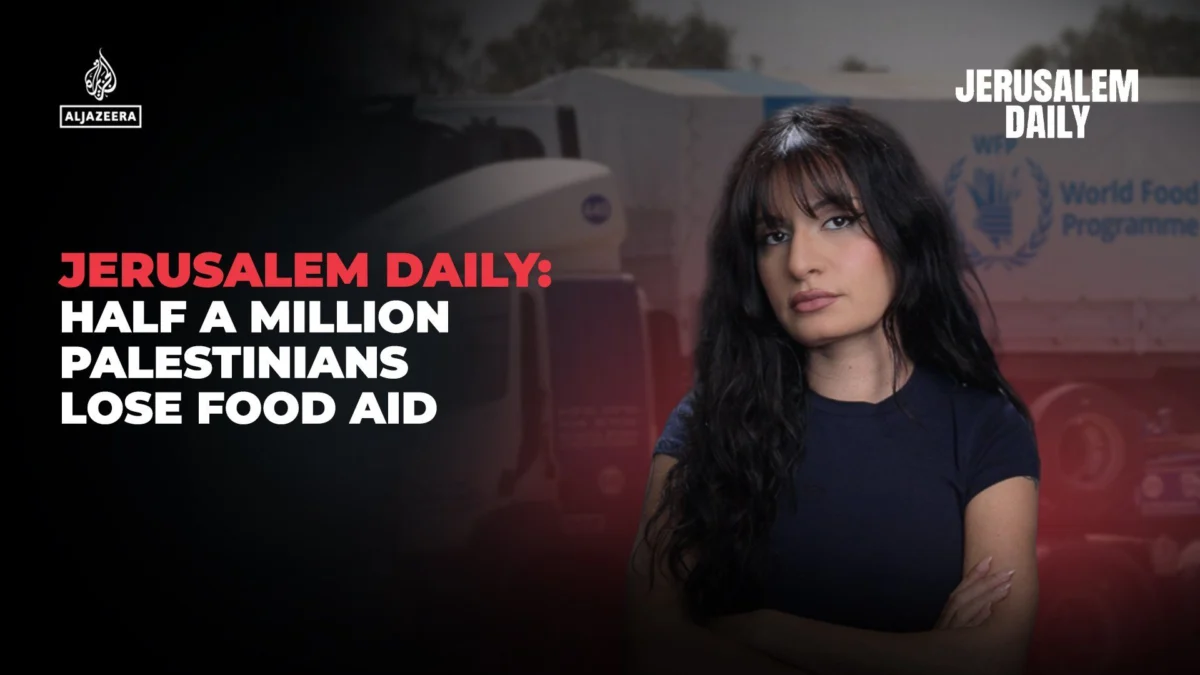
JERUSALEM — Israeli strikes in Gaza have killed Palestinians as funding shortages now threaten food aid for half a million people, Al Jazeera reported. The combination of ongoing military action and aid financing shortfalls is raising urgent concerns about hunger and humanitarian access across the territory.
Half a million Palestinians depend on food assistance that is now at risk of disruption, the outlet said, underscoring how instability and underfunding are compounding pressure on already strained humanitarian operations. The situation highlights how violence and resource gaps intersect to deepen need in Gaza.
KEY FACTS
- Israeli strikes killed Palestinians in Gaza, per Al Jazeera.
- Funding shortages threaten food aid for half a million Palestinians.
- The aid at risk serves approximately 500,000 people.
- The reporting comes from Al Jazeera – Breaking News, World News and Video.
Who Is Affected?
The population directly affected includes roughly half a million Palestinians who rely on food aid that is now facing potential disruption. These are civilians dependent on humanitarian assistance to meet basic nutritional needs, many of them already enduring displacement and restricted access to essential supplies. At the same time, Palestinians have been killed in Israeli strikes, adding to a broader pattern of harm during periods of heightened hostilities.
Food aid in Gaza typically supports some of the most vulnerable households, including children, elderly people, and families without stable income. When funding runs short, agencies may have to reduce rations or suspend distributions entirely, according to general humanitarian practice. That risk amplifies existing insecurity for communities already facing movement restrictions and damaged infrastructure. The convergence of violence and underfunding creates layered challenges for both delivering aid and protecting civilians.
How Did We Get Here?
The reported crisis stems from two overlapping pressures: a funding shortfall for humanitarian programs and ongoing Israeli military activity in Gaza that has resulted in Palestinian deaths. International donors often face delays or shortfalls in financing United Nations and non-governmental aid operations, while hostilities complicate logistics, access, and staffing for relief efforts. Together, these dynamics create conditions in which assistance programs may falter even as demand grows.
Gaza has long relied heavily on external humanitarian support due to protracted instability and restrictions on movement and trade. Repeated cycles of conflict have repeatedly disrupted supply chains and eroded livelihoods, increasing dependence on food aid. When donor contributions lag behind planned budgets, programs are forced to scale back services. In the current context, that scaling back coincides with active hostilities, sharpening fears about worsening food insecurity among the territory’s most exposed residents. The United Nations and partner agencies regularly warn that funding shortfalls directly translate into skipped meals or reduced assistance for families. This dynamic has played out repeatedly in other fragile settings where aid budgets fall short of needs.
What We Know — and What We Don’t
Verified by the source:
- Israeli strikes killed Palestinians in Gaza.
- Funding shortages threaten food aid for half a million Palestinians.
- The aid serves approximately 500,000 people.
- Reporting originates from Al Jazeera – Breaking News, World News and Video.
Still unconfirmed:
- The exact number of Palestinians killed in the strikes.
- The specific organizations administering the threatened food aid program.
- The timeframe over which the food aid shortage may take effect.
- The total amount of funding reportedly missing.
- Whether any humanitarian agencies have issued official statements.
Why It Matters
This development matters because it illustrates how violence and inadequate humanitarian financing combine to deepen civilian vulnerability. For readers concerned with stability, humanitarian access, and civilian protection, the twin risks of lethal strikes and lost food aid represent overlapping emergencies that can spiral quickly without prompt international attention and resourcing.
What To Watch
Future reporting will determine whether additional funding is mobilized to restore threatened food aid, and whether further casualties occur amid continuing hostilities. The situation remains fluid and dependent on both operational and political developments.