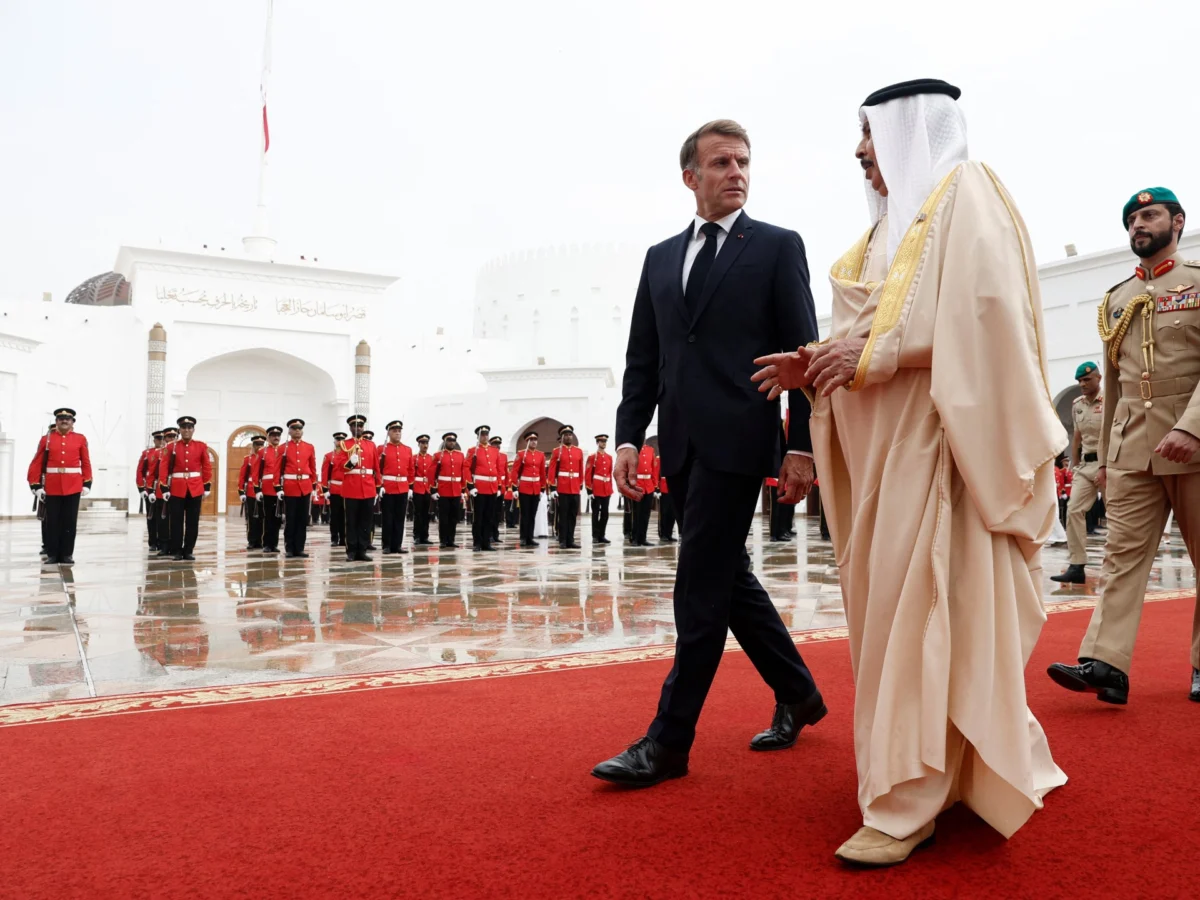
French President Emmanuel Macron has authorized new supply agreements with the United Arab Emirates and Bahrain to increase diesel imports from the Gulf as France confronts rapidly rising fuel prices. The deals lift French commitments to 295,000 tonnes per month, equivalent to slightly more than 10 percent of national consumption.
These import volumes represent a strategic effort to stabilize energy costs and ease supply pressures. Macron’s administration has been working to diversify supplier relationships in the Gulf to counterbalance broader global market volatility affecting refined product prices.
KEY FACTS
- Gulf diesel imports secured via new UAE and Bahrain agreements.
- France commits to 295,000 tonnes of diesel per month.
- This volume equals just over 10 percent of national consumption.
- The move responds to soaring fuel prices domestically.
Why the Gulf now?
France’s reliance on Gulf-origin diesel reflects a calculated attempt to tap stable suppliers during a period of tight refined products markets. Global refining margins have climbed as demand rebounds while output remains constrained, pushing pump prices steadily higher across Europe. Importing Gulf diesel allows France to secure cargoes outside volatile Atlantic trading routes, potentially reducing regional supply risk.
Both the UAE and Bahrain bring established export infrastructure capable of meeting large-volume spot and term deliveries. Their geographic proximity to key shipping lanes lowers freight costs relative to longer-haul origins, offering some relief to buyers facing elevated delivered prices.
How did we get here?
The decision follows months of accelerating consumer price gains tied directly to energy costs. Refined product markets worldwide experienced steep swings after post-pandemic demand surged faster than refiners restored processing capacity. In France, retail diesel prices reached multi-year highs, increasing pressure on households and freight operators reliant on road transport.
Macron’s office previously signaled willingness to act when essential commodities affect living standards. Expanding Gulf purchases aligns with broader energy security strategies pursued across European capitals seeking alternatives amid shifting global trade flows.
What happens next?
Trade analysts say further cargoes may follow if current agreements prove commercially viable. Market watchers expect France to evaluate whether additional Gulf volumes can sustain upward trajectory driven by seasonal heating demand and industrial activity. Any continuation depends partly on price responsiveness relative to competing supply sources.
WHAT WE KNOW — AND WHAT WE DON’T
Verified by the source:
- New diesel import contracts were signed with the UAE and Bahrain.
- Total committed volumes equal 295,000 tonnes monthly.
- That amount covers slightly over 10 percent of French consumption.
- Rising local fuel prices prompted these acquisitions.
Still unconfirmed:
- Exact timing of cargo arrivals was not specified.
- No quote or rationale from Macron or ministers was provided.
- Pricing terms, delivery schedules, and duration remain undisclosed.
WHY IT MATTERS
Fuel costs heavily influence household budgets and business logistics. Stabilizing diesel availability supports economic stability even as governments worldwide grapple with balancing affordability and supply security amid evolving geopolitical dynamics.
WHAT TO WATCH
Future statements from French authorities could clarify whether additional Gulf volumes will be pursued depending on market developments and price trends.