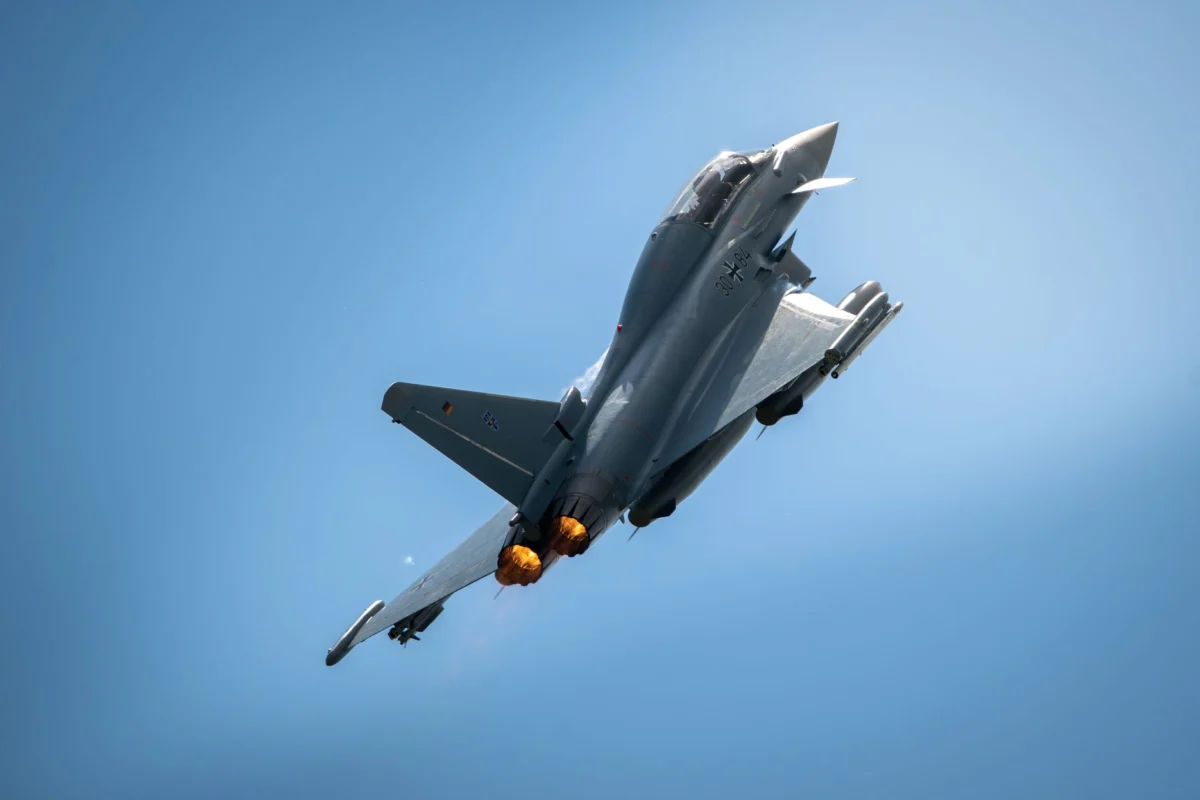
At 04:37 a.m., the thunder of three Israeli jets ripped over the town of Marjayoun, dropping precision bombs that ignited a blaze in a civilian neighbourhood.
The strikes, confirmed by on‑the‑ground footage and local officials, marked the first major breach of the framework agreement signed two weeks ago between Israel and Hezbollah.
What triggered the latest Israeli airstrikes?
According to the Turkish news agency Anadolu Ajansı, the Israeli Defence Forces said the operation targeted “militant infrastructure” linked to Hezbollah cells that had allegedly launched rockets into northern Israel on Friday.
Hezbollah, however, denied any involvement and warned that any Israeli aggression would force a “proportional response” from its ranks.
Why does this matter?
The southern Lebanese border has been a tinderbox since the 2006 war. The recent framework was meant to halt cross‑border fire, allow humanitarian aid, and open a diplomatic channel. Each violation erodes trust, risks civilian casualties, and could draw neighboring countries into the conflict.
For ordinary Lebanese families, the explosions mean loss of homes, disrupted schools, and a surge in displacement. For global markets, renewed fighting threatens oil shipping lanes in the eastern Mediterranean, potentially nudging energy prices upward.
war‑geopolitics analysts note that Israel’s tactical shift suggests a frustration with the pace of diplomatic talks and a desire to pressure Hezbollah ahead of upcoming Israeli elections.
Who is affected?
About 120,000 residents live within a ten‑kilometre radius of the strikes. United Nations relief agencies have already reported shortages of medical supplies and a spike in civilian injuries.
International NGOs are calling for an urgent UN Security Council briefing, fearing that the fragile cease‑fire could collapse into a full‑scale ground invasion.
What happens next?
Hezbollah is expected to issue a formal statement within 24 hours, while Israeli officials have promised “swift” follow‑up attacks on any confirmed launch sites.
Diplomats in Beirut say the framework’s monitoring mechanisms are being tested, and any failure could push both sides back to the negotiating table—or deeper into war.
Stay tuned as we track the fallout and what it means for regional stability.
Meta description: Israeli airstrikes hit southern Lebanon despite a new framework agreement, raising concerns of renewed conflict.