The wooden canopy that once shaded the sacred Ibrahimi Mosque in Hebron’s Old City vanished overnight, leaving a gaping hole over a centuries‑old prayer space.
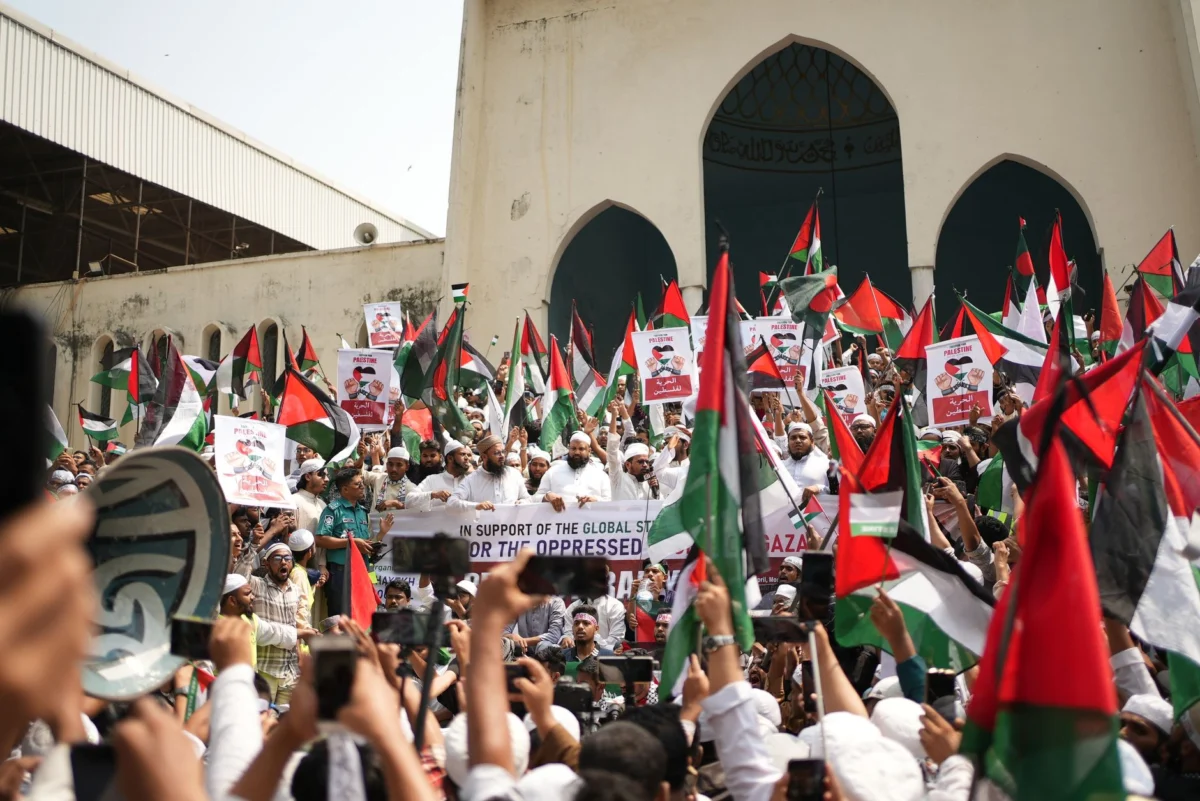
Israeli soldiers entered the compound early Thursday, lifted the centuries‑old structure and moved it to an undisclosed location. The act, documented by local Palestinian camera crews, sparked immediate protests outside the mosque and an angry statement from the Palestinian Authority.
What happened to the Ibrahimi Mosque canopy?
According to the Anadolu Ajansı feed, a contingent of Israeli Defense Forces (IDF) engineers used cranes to dismantle the 30‑year‑old wooden cover that protected the mosque’s prayer hall from rain and sun. The canopy, installed in 1993 after the Oslo Accords, was considered a symbol of limited Palestinian autonomy over holy sites.
Palestinian spokesperson Azzam al‑Husseini said the removal “violates the status‑quo” agreed under the 1995 Hebron Protocol, which forbids unilateral alterations to holy places.
Why does this matter?
The incident touches the fragile balance that underpins the Israeli‑Palestinian status‑quo in holy cities. Any change, however minor, can trigger wider unrest, as seen in the 2023 clashes near the Al‑Aqsa compound that spiraled into weeks of violence.
Beyond the symbolic, the removal disrupts daily worship for roughly 6,000 Hebron residents who rely on the shelter during scorching summers and sudden rains.
International observers, including the European Union’s delegation in Jerusalem, have warned that “unilateral actions risk inflaming already volatile tensions.”
Who is affected?
Local worshippers, the broader Palestinian community, and Israeli settlement leaders in Hebron all feel the impact. Settlement spokesperson Yehuda Levi argued the canopy posed a “security risk,” though no official Israeli statement corroborated that claim.
Economically, the disruption could affect Hebron’s modest tourism sector, which draws an estimated 150,000 visitors annually to its religious sites.
For readers far from the West Bank, the episode illustrates how seemingly small heritage disputes can rapidly translate into geopolitical flashpoints that affect global stability and energy markets.
What happens next?
Palestinian authorities have filed a formal complaint with the Israeli military’s chief of staff, demanding the immediate reinstatement of the canopy. Human rights groups are preparing to document any damage as possible violations of international law.
Israel’s military spokesperson declined to comment, leaving a vacuum that fuels speculation across social media and diplomatic corridors.
Watch this space: the next weeks will reveal whether the Ibrahimi Mosque canopy becomes a bargaining chip in upcoming peace talks or a catalyst for renewed violence.
For deeper insight into how heritage sites become geopolitical pawns, explore our analysis in the war‑geopolitics section and the economic ripple effects in economy and markets.