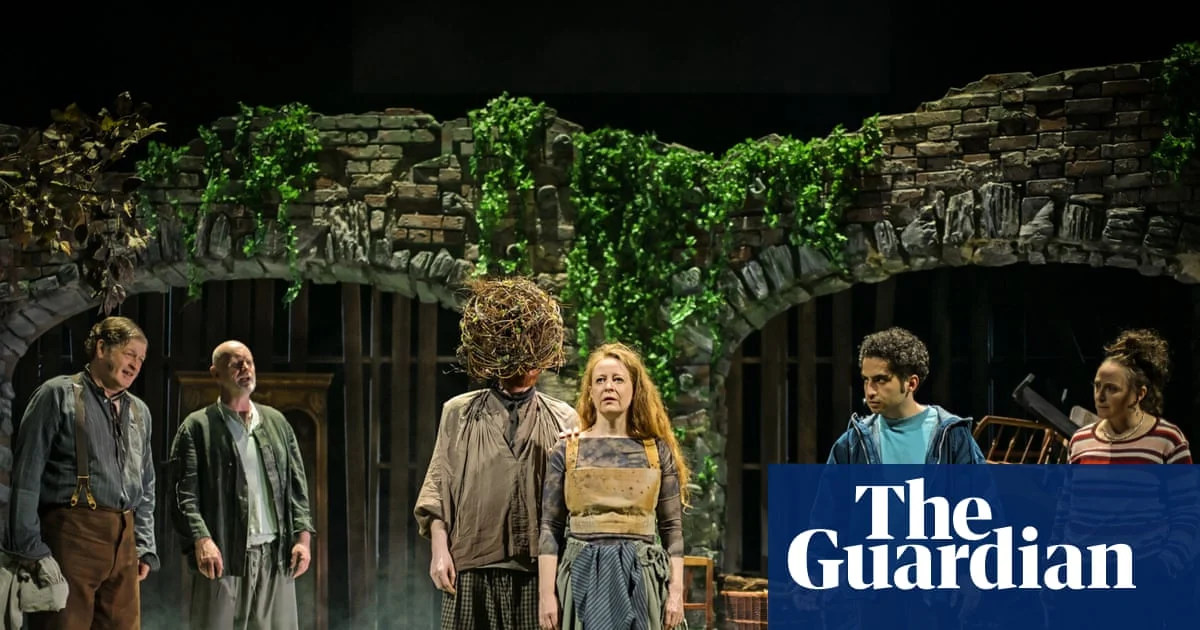
In the early 1700s, a few thousand German refugees fleeing religious persecution and starvation settled in remote rural Irish villages, becoming known as the Irish Palatines. Their story of prejudice and exclusion is now told in a new play called Refuge, staged jointly by Germany’s Staatstheater Mainz and Ireland’s Fishamble.
The production blends a personal love story with broader social commentary, performed by a mixed cast mainly in English with some German interludes. The narrative of these displaced settlers resonates strongly with contemporary discussions around refugees and immigration, particularly the treatment of people arriving from countries such as Syria and Afghanistan.
Key Facts
- German refugees arrived in Ireland in the early 18th century.
- They were called the Irish Palatines and settled in rural villages.
- The play Refuge is a co-production by Staatstheater Mainz and Fishamble.
- Performances are mostly in English with some German spoken parts.
- The refugees faced suspicion and violence upon arrival.
Who Are the Forgotten Refugees?
The Irish Palatines were poor, conservative homesteaders who could not speak the language of their new home. Arriving in already struggling regions of Ireland, they brought little in the way of resources but carried their own traditions and beliefs. Their arrival coincided with periods of economic strain and cultural tension in Irish communities, which contributed to rising suspicion and acts of violence.
These settlers represent one of the lesser-known episodes of migration in European history. While large-scale Irish emigration is well documented, the reverse flow of German families settling in Ireland often goes unmentioned. Their legacy lives on in certain surnames and local customs, though their full story remains largely untold outside niche historical circles.
How Did We Get Here?
The development of Refuge began as an artistic effort to highlight forgotten chapters of migration history. By combining archival research with theatrical storytelling, the creators sought to draw parallels between past and present refugee experiences. The decision to stage the play in two languages reflects the multilingual reality many refugees face when adapting to new environments.
Social commentary plays a central role in the production. Audiences familiar with current refugee crises may see echoes of those struggles in the treatment of the German families centuries ago. This deliberate connection serves to question how societies respond to newcomers, whether driven by fear or compassion.
What Happens Next?
The play continues its run with upcoming performances scheduled throughout the season. Future tour dates and potential international productions have not yet been announced by the participating theaters. Critics and audience members alike are encouraged to share their responses through post-show discussions hosted by the companies.
Educational institutions have expressed interest in incorporating the play into history and drama curricula. Plans for workshops and panel talks involving historians and migration experts are being considered, though details remain preliminary. Any expansions will likely depend on public reception and funding opportunities.
Verified by the source:
- German refugees settled in rural Ireland during the early 18th century.
- They were referred to as the Irish Palatines.
- Refuge is produced by Staatstheater Mainz and Fishamble.
- The performance uses both English and German dialogue.
- Prejudice and violence were part of their early experience in Ireland.
Still unconfirmed:
- Exact number of German families who migrated.
- Specific years of arrival beyond the early 1700s.
- Confirmed future performance dates or tour locations.
- Names of individual cast members or creative team.
- Audience reviews or critical reception so far.
Why It Matters
Stories like that of the Irish Palatines remind us that migration is not a new phenomenon but a recurring thread in human history. How societies choose to welcome strangers reflects their values and character at pivotal moments. Theater offers a unique space to explore these moral questions with empathy and reflection.
With ongoing global displacement, examining historical precedents helps contextualize ongoing debates about belonging, integration, and hospitality. Plays like Refuge encourage audiences to consider not just what happened, but what should happen when people seek safety and opportunity elsewhere.
What To Watch
Further details about tour schedules and educational outreach programs are expected from the theater companies involved. Public engagement events may offer deeper insights into how historical narratives influence modern attitudes toward refugees.
This factual summary highlights a historical case study explored in a contemporary theatrical work. The article does not verify all historical claims independently.