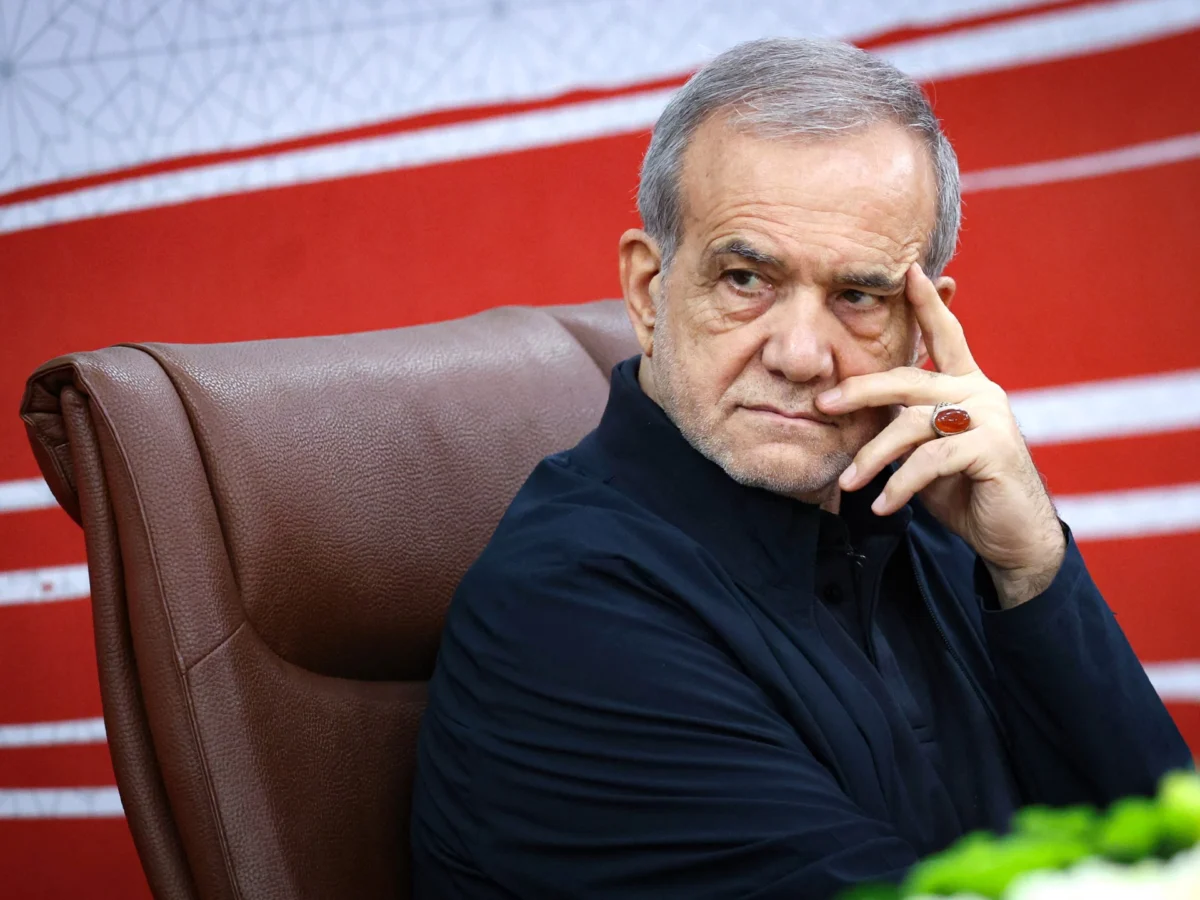
Iran’s President has declared it the right moment to end the country’s long-standing ‘no war, no peace’ status with the US, urging a lasting agreement to resolve tensions. The statement marks a potential shift in Iran’s approach to diplomatic relations with Washington.
According to Al Jazeera, President Pezeshkian emphasized the need to move beyond the current stalemate, framing a new agreement as critical for regional stability. The call comes amid ongoing tensions between the two nations over nuclear policy and sanctions.
KEY FACTS
- Iran’s President advocates ending the ‘no war, no peace’ status with the US.
- He describes the current moment as opportune for a lasting agreement.
- The statement was reported by Al Jazeera.
What does this mean for Iran-US relations?
The push for a new agreement suggests a possible willingness from Tehran to reengage diplomatically after years of strained relations. The ‘no war, no peace’ dynamic has defined the relationship since the US withdrawal from the 2015 nuclear deal, with sporadic confrontations but no full-scale conflict.
If Iran follows through with negotiations, it could signal a shift toward de-escalation, though significant hurdles remain, including sanctions enforcement and regional proxy conflicts. The US has not yet publicly responded to the proposal.
Why is this happening now?
Pezeshkian’s statement may reflect domestic pressures or strategic recalculations within Iran’s leadership. Economic hardships from sanctions and public discontent could be driving a reassessment of foreign policy. Alternatively, regional realignments or behind-the-scenes diplomatic overtures may have created a perceived opening.
However, the lack of specific details in the announcement leaves unanswered questions about Tehran’s exact demands or concessions it might offer.
WHAT WE KNOW — AND WHAT WE DON’T
Verified by the source:
- President Pezeshkian has called for ending the ‘no war, no peace’ status.
- He views the current moment as suitable for a lasting agreement.
Still unconfirmed:
- Whether the US will engage with this proposal.
- Specific terms Iran might seek in negotiations.
- Any timeline for potential diplomatic talks.
WHY IT MATTERS
A shift away from the ‘no war, no peace’ status could reshape Middle Eastern geopolitics, reducing the risk of direct conflict between Iran and the US. It may also influence regional alliances, oil markets, and global nonproliferation efforts. For Iranians, a breakthrough could ease economic sanctions, while for Washington, it could offer a path to stabilize a volatile relationship.
WHAT TO WATCH
Key indicators will include formal US reactions and whether Iran follows up with concrete diplomatic steps. Any movement toward negotiations would require both sides to outline their positions on sanctions, nuclear activity, and regional influence.