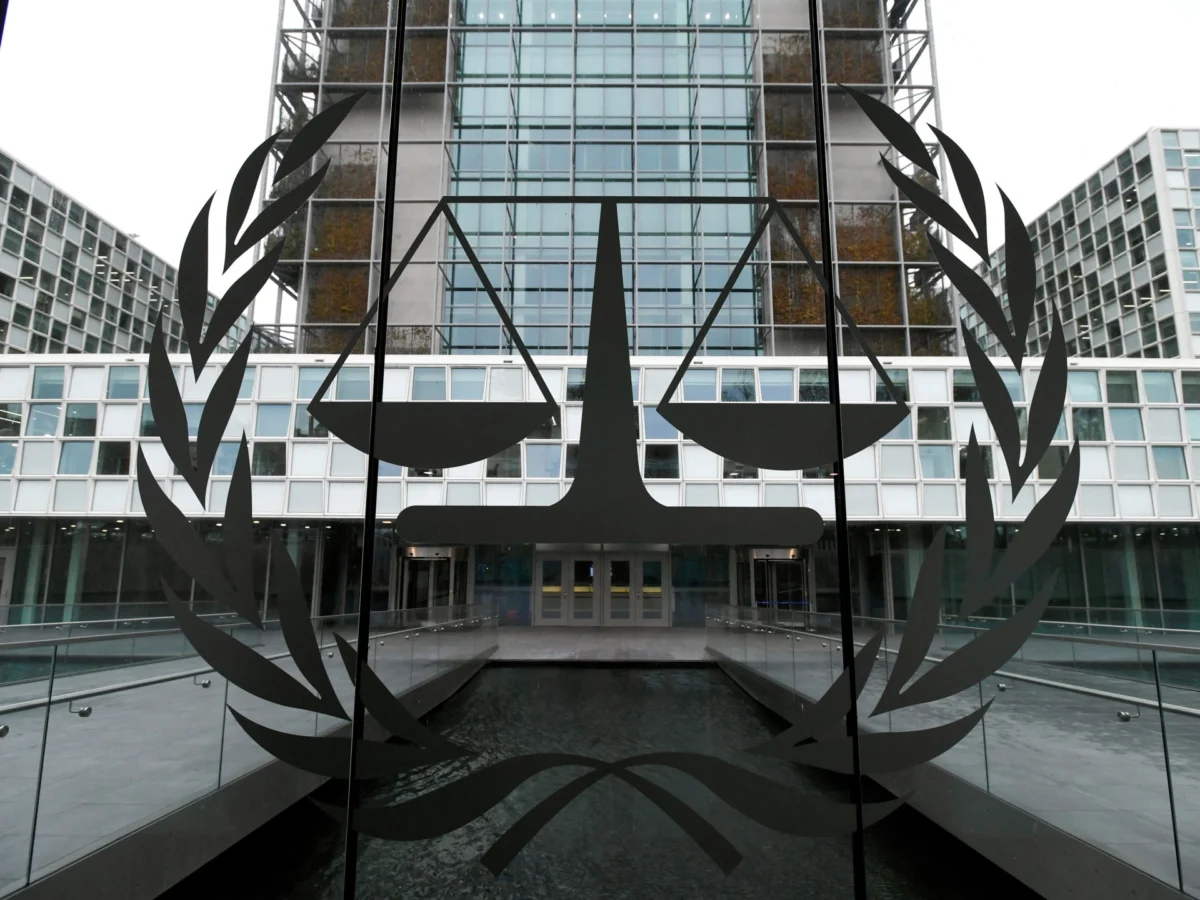
The International Criminal Court (ICC) faces existential challenges, but its greatest threat may not come from political opponents like former U.S. President Donald Trump, according to an Al Jazeera opinion piece. The article suggests that the ICC’s alleged supporters—those who claim to champion its mission—may ultimately undermine it by failing to defend it adequately.
KEY FACTS
- The ICC’s future depends on its alleged supporters, not Trump.
- Al Jazeera argues that inaction by ICC supporters could harm the court more than opposition.
- The piece does not specify which actions are lacking from supporters.
THE STORY
Why does the ICC need defending?
The International Criminal Court, established in 2002, is tasked with prosecuting individuals for genocide, war crimes, and crimes against humanity. However, it has faced criticism and opposition from various nations, including the U.S., which has never been a member. The Al Jazeera piece suggests that while political leaders like Trump have openly opposed the ICC, the court’s real vulnerability lies in the passivity of its supposed advocates.
What role do supporters play?
The opinion argues that the ICC’s alleged supporters may be failing to take necessary actions to protect the institution. While the article does not specify what these actions might be, it implies that vocal or financial support alone may not be enough. The broader context suggests that international institutions often rely on active defense by their member states to maintain legitimacy and effectiveness.
WHAT WE KNOW — AND WHAT WE DON’T
Verified by the source:
- The ICC faces challenges that could threaten its existence.
- Al Jazeera’s analysis suggests that the court’s supporters may be failing to act adequately.
Still unconfirmed:
- Which specific supporters are being criticized.
- What concrete actions the article believes are lacking.
- Whether there is any organized effort to undermine the ICC beyond general opposition.
WHY IT MATTERS
The ICC represents a critical mechanism for international justice, particularly in cases where national courts are unable or unwilling to prosecute atrocities. If the court’s effectiveness is compromised by a lack of robust support, it could weaken the global framework for accountability and human rights enforcement.
WHAT TO WATCH
The article does not specify immediate next steps, but observers may monitor whether ICC member states or other supporters take more decisive actions to bolster the court’s authority and resources. For more on international justice and geopolitics, explore our war & geopolitics coverage.