Skip to content
LIVE
ECONOMY & MARKETS Stocks Notch Strongest Quarter Since 2020 — 55% verified      TOP STORIES What We Know About Taylor Swift’s Rumoured NYC Wedding Celebrations — 55% verified      WAR & GEOPOLITICS US and Iran Hold Talks in Qatar with Mediators — 55% verified      POLITICS House GOP Agenda Stalls Over SAVE America Act Holdouts — 55% verified      TRADING & CRYPTO OpenUSD Adoption Faces Steep Challenges Despite Big-Name Backers — 55% verified      ECONOMY & MARKETS Three Growth Stocks Benefit From AI Data Center Demand — 55% verified      WAR & GEOPOLITICS Iran’s Axis of Resistance Faces Uncertain Future — 55% verified      POLITICS Republican Accuses Speaker Johnson of Frequent Lies Amid House Chaos — 55% verified      POLITICS NPR Retracts Story About Justice Alito Retirement — 55% verified      TRADING & CRYPTO US Dollar Holds Neutral as Fed Rate Hike Bets Persist — 55% verified      ECONOMY & MARKETS Stocks Notch Strongest Quarter Since 2020 — 55% verified      TOP STORIES What We Know About Taylor Swift’s Rumoured NYC Wedding Celebrations — 55% verified      WAR & GEOPOLITICS US and Iran Hold Talks in Qatar with Mediators — 55% verified      POLITICS House GOP Agenda Stalls Over SAVE America Act Holdouts — 55% verified      TRADING & CRYPTO OpenUSD Adoption Faces Steep Challenges Despite Big-Name Backers — 55% verified      ECONOMY & MARKETS Three Growth Stocks Benefit From AI Data Center Demand — 55% verified      WAR & GEOPOLITICS Iran’s Axis of Resistance Faces Uncertain Future — 55% verified      POLITICS Republican Accuses Speaker Johnson of Frequent Lies Amid House Chaos — 55% verified      POLITICS NPR Retracts Story About Justice Alito Retirement — 55% verified      TRADING & CRYPTO US Dollar Holds Neutral as Fed Rate Hike Bets Persist — 55% verified     
Wednesday, July 1, 2026
Updated 27 minutes ago
AI-Verified Global News Intelligence
AI MONITORING ACTIVE
1,903 articles published
War & Geopolitics 55% VERIFIED

Iran’s Axis of Resistance Faces Uncertain Future

Analysts debate whether Iran's regional deterrence has been permanently weakened or if its proxy network is adapting into a more resilient force.
War & Geopolitics · July 1, 2026 · 2 hours ago · 2 min read · AI Summary · Al Jazeera – Breaking News, World News and Video from Al Jazeera
55 / 100
AI Credibility Assessment
Moderate Credibility
AI VERIFIED 0/1 claims verified 1 sources cited
Source Corroboration 30%
Source Tier Quality 70%
Claim Verification 40%
Source Recency 90%

Single-source rewrite; limited independent verification

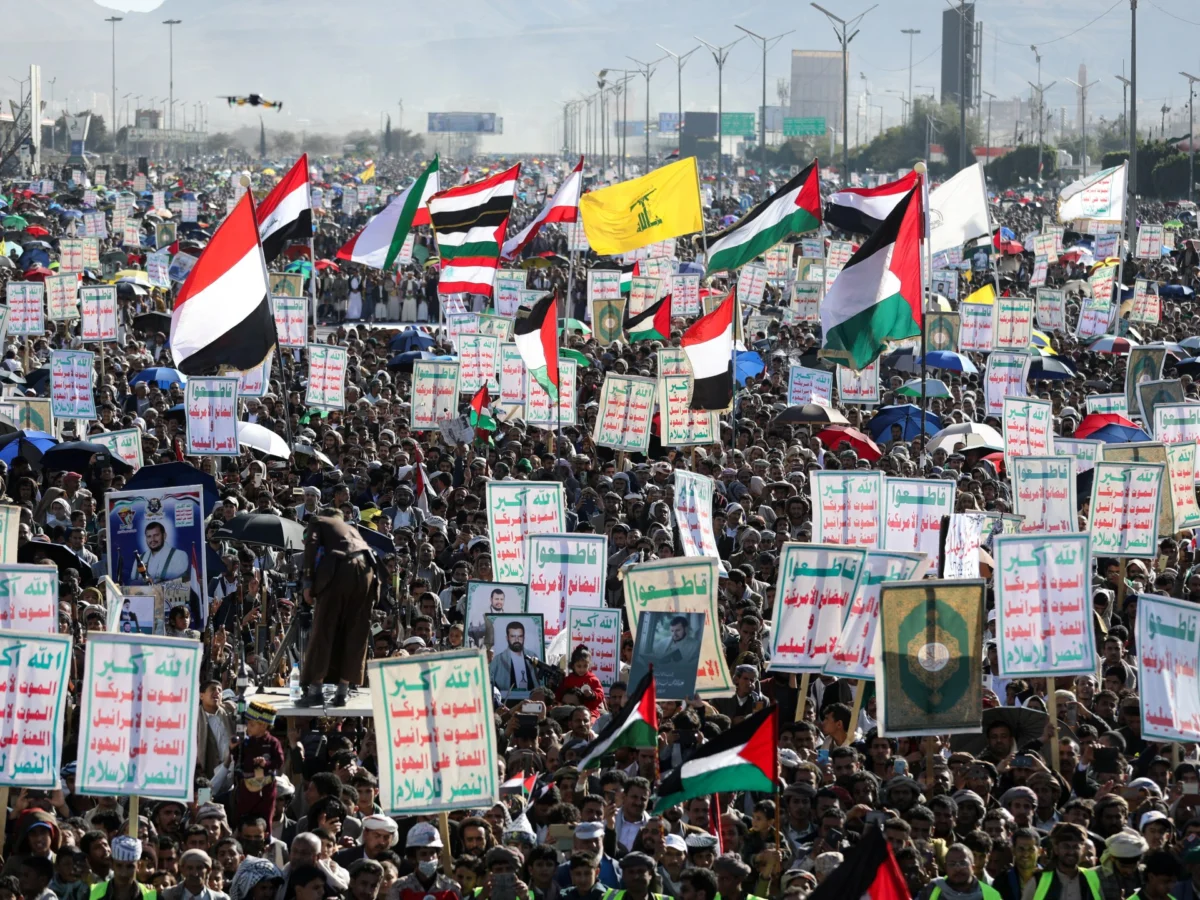
Analysts are divided on the future of Iran’s axis of resistance, questioning whether Tehran’s regional deterrence has been permanently degraded or if its proxy network is evolving into a more resilient structure. The debate reflects broader concerns about stability in the post‑war Middle East.

What is the current assessment?

Observations suggest that Iran’s traditional deterrence mechanisms have been challenged, prompting a reassessment of how its affiliated groups operate across the region. Some experts argue that the setbacks experienced by the axis indicate a lasting erosion of Tehran’s strategic influence.

Why does this matter?

The durability of Iran’s axis has implications for regional security calculations, including the policies of neighboring states and external powers engaged in the area. A weakened deterrent could alter the balance of power, while a mutating proxy network might introduce new forms of conflict and cooperation.

Within the war‑geopolitics context, the discussion centers on whether the network of militias and allied governments can sustain operations despite setbacks, or if they are transitioning toward a different mode of influence that is less dependent on direct Iranian control.

What happens next?

Future developments will likely be shaped by how these groups adapt to shifting political and military pressures. Continued monitoring of their activities will be essential to gauge whether the axis is undergoing a fundamental transformation or simply experiencing temporary setbacks.

Understanding the trajectory of Iran’s axis is crucial for policymakers who must anticipate potential flashpoints and adjust diplomatic or security strategies accordingly.

In the coming months, analysts expect further examination of proxy capabilities, funding streams, and command structures to determine the durability of the network and its impact on regional dynamics.

Community Verdict — Do you trust this story?
Be the first to vote on this story.