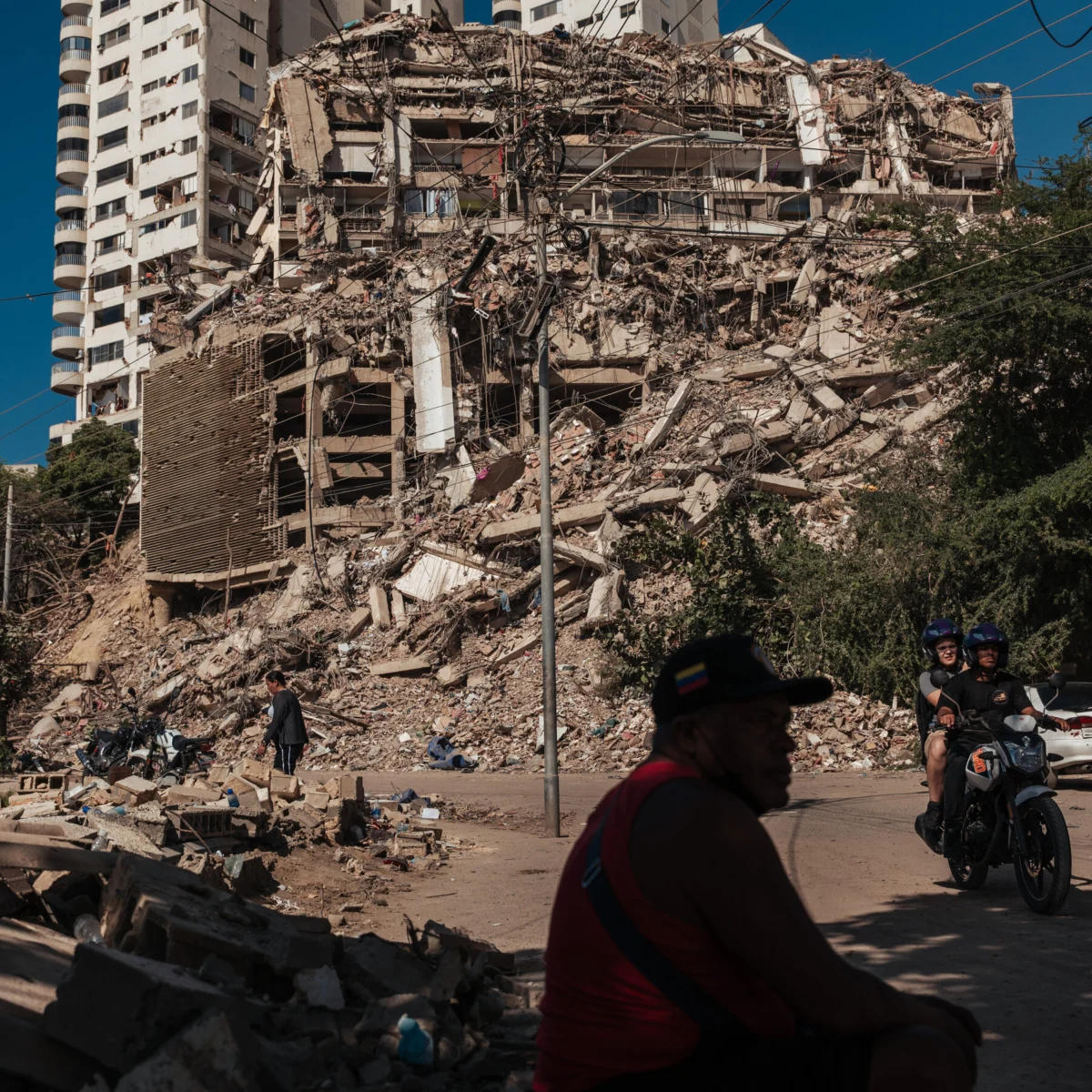
Rescue equipment shortages are hampering the response to Venezuela’s recent earthquake, as residents supply excavators, generators and specialized tools to aid rescue crews working through the rubble.
The lack of essential machinery and rescue devices has forced volunteers and ordinary citizens to fill the gap. Community members have organized donations of heavy equipment and power generators, trying to accelerate the clearance of debris and the location of survivors.
Why does this matter?
Without adequate excavators and generators, professional rescue teams cannot operate at full capacity, extending the time needed to reach trapped individuals. The reliance on civilian-supplied tools highlights the strain on official resources and the urgency of external assistance.
What happens next?
Authorities are calling for additional support and international aid to provide the missing rescue equipment. Continued civilian involvement remains crucial while the government seeks to procure the necessary machinery to sustain the operation.
Timely delivery of the required tools could improve the efficiency of rescue operations and reduce the risk to both survivors and responders.
For broader context on how resource gaps affect disaster response, see our coverage in war‑geopolitics.
Addressing the equipment shortfall is essential for a faster, safer recovery and to prevent further delays in providing aid to those affected.