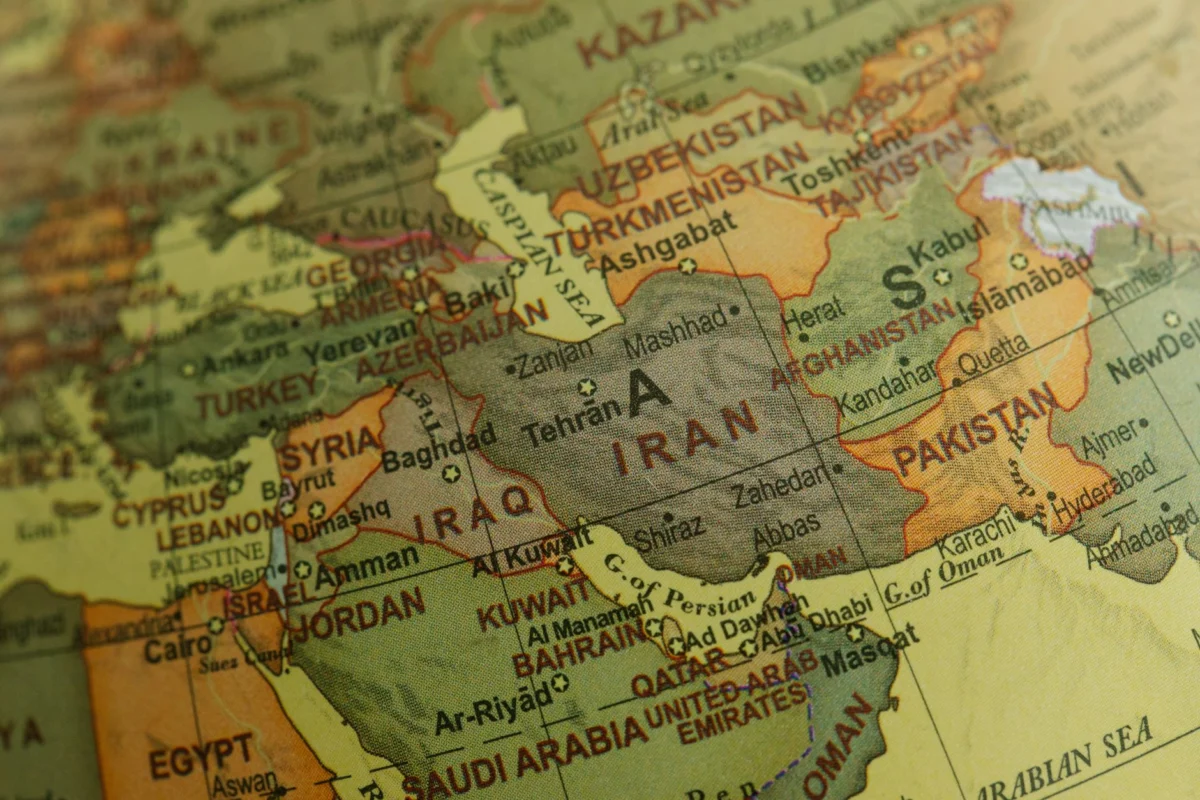
At 02:17 a.m. local time, a barrage of three cruise missiles slammed into Kuwait’s Ahmadi refinery, igniting a fire that sent plumes of black smoke over the Persian Gulf.
Just two hours later, the same Iranian‑aligned militia launched two rockets toward Bahrain’s naval base, where they struck a supply vessel but caused no casualties.
These coordinated attacks marked the first overt Iranian‑linked aggression on two Gulf allies since the indirect truce brokered by the United States in November 2025.
“The ceasefire is now on the brink of collapse,” said an anonymous senior analyst who briefed The Media Line.
Why does this matter?
Oil tankers rerouted around the Strait of Hormuz in response, nudging global crude prices up 1.2 % within hours. For a world still reeling from pandemic‑era supply shocks, even a modest price spike ripples through gasoline pumps, airline tickets and household heating bills.
Security firms estimate that the combined economic loss from refinery downtime and shipping delays could exceed $4 billion by the end of the quarter.
What happens next?
The United States has dispatched a carrier strike group to the Arabian Sea and warned Tehran that any further “unprovoked” strikes will trigger “swift and decisive” retaliation.
Iran’s Revolutionary Guard denied involvement, calling the accusations “fabricated” and urging regional nations to “stop being pawns of Western pressure.”
Meanwhile, Kuwait’s foreign minister convened an emergency cabinet meeting, and Bahrain’s prime minister ordered a full security lockdown around the naval base.
Analysts fear that the fragile US‑Iran ceasefire, which has held only because both sides have been wary of escalating a proxy war into direct confrontation, could unravel entirely if diplomatic channels stall.
For investors, the volatility underscores why monitoring Gulf geopolitics is as essential as tracking earnings reports; a single missile can reshuffle global markets overnight.
Stay tuned as diplomatic envoys from the United Nations and the European Union race to broker a de‑escalation before the next missile takes off.
Read more on how regional conflicts affect economy and markets and the evolving war‑geopolitics landscape.