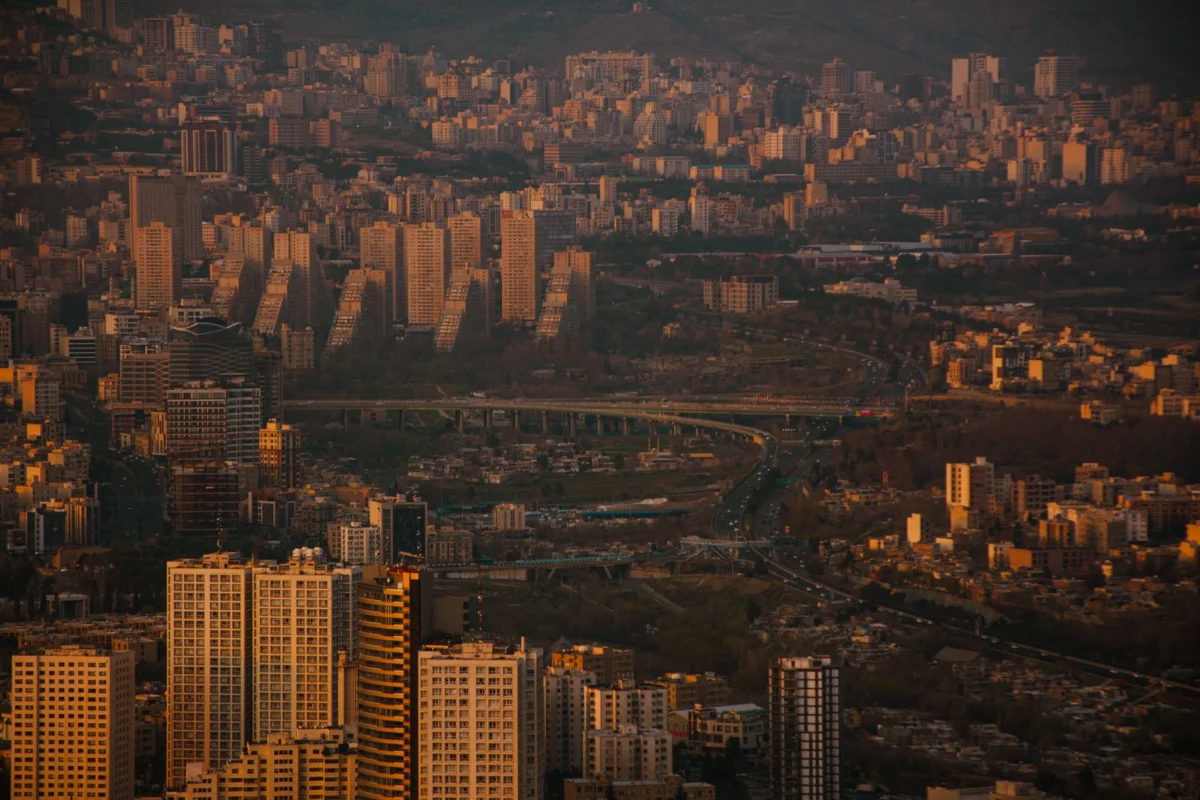
In a stark Tehran press briefing, a senior Iranian official snapped his fingers and declared, “We have not signed any agreement that allows foreign monitors inside our nuclear sites.” The line cut through a room of reporters like a siren, underscoring the widening gap between Washington and Tehran over Iran’s nuclear program.
The United States, meanwhile, insists that Iran has verbally pledged to allow International Atomic Energy Agency (IAEA) inspectors, a claim Tehran flatly rejects. Both sides trade accusations, but the facts on the ground remain murky.
What the two sides are saying
The U.S. State Department released a statement saying Iran “has agreed in principle to grant unfettered access to IAEA inspectors,” citing a recent high‑level phone call between U.S. Deputy Secretary of State Wendy Sherman and Iran’s Foreign Minister Amir‑Abbas Hassani. No written compromise has surfaced, however.
Iran’s Foreign Ministry counters that “no such verbal commitment was made,” and that any suggestion otherwise is a “fabrication designed to pressure the Iranian people.” The ministry’s spokesperson, Ali Mansouri, said the country will continue to comply with its existing obligations under the Joint Comprehensive Plan of Action (JCPOA) but will not accept additional, unilateral inspection demands.
Why does this matter?
At stake is more than diplomatic pride. If the United States cannot secure inspection rights, it may resort to heightened sanctions or even military posturing, echoing the 2015‑2018 standoff that plunged oil markets into turbulence. Analysts warn that a renewed flare‑up could push regional allies—Saudi Arabia, Israel, and the United Arab Emirates—into a costly arms race.
For ordinary Americans, the ripple effects could show up at the pump. A 2‑percent rise in crude prices last month was linked to fears of a new Middle‑East crisis. If tensions escalate, the cost could climb higher, straining household budgets.
What happens next?
Washington has hinted at “contingency plans,” but the details are confidential. The IAEA has offered to mediate a technical dialogue, a move Tehran may view as a concession.
In the coming days, both capitals will likely test each other’s resolve: the U.S. with diplomatic pressure and possible secondary sanctions; Iran with rhetoric and, if pushed, symbolic gestures like temporary shutdowns of certain enrichment facilities.
Tracking the story will require watching UN Security Council meetings, IAEA briefings, and any new statements from the White House National Security Council.
Stay tuned as the standoff unfolds—because the outcome will shape not only regional security but also global energy stability.
War and geopolitics insights help you understand the broader implications, while economy and markets coverage will track the financial fallout.