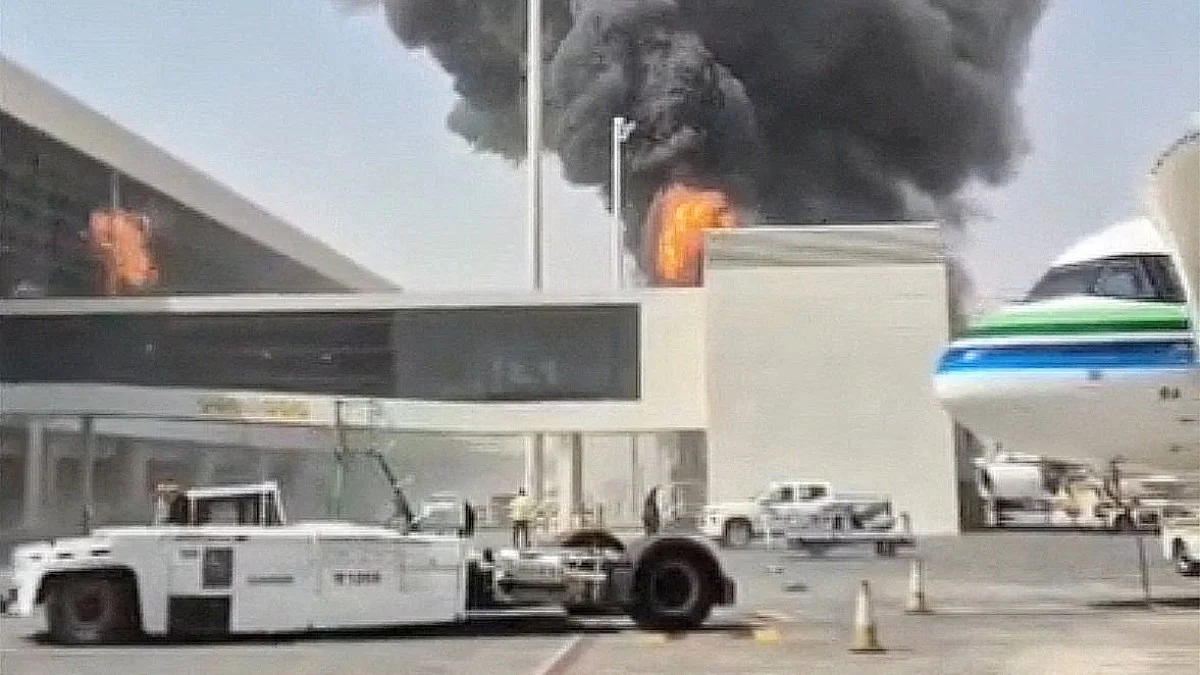
Iranian and Saudi Arabian officials are holding talks focused on Yemen’s Houthi movement, with Tehran emphasizing that a military approach to the conflict risks worsening an already volatile regional situation. The discussion underscores ongoing diplomatic efforts to address one of the Middle East’s most complex wars.
These Iran-Saudi talks come against the backdrop of years of stalemate in Yemen, where the Houthis control large parts of the country and have repeatedly clashed with a Saudi-led coalition. While details of the negotiations remain limited, the core concern voiced relates to the dangers of escalating warfare across borders that could draw in multiple regional actors.
Key Facts
- Tehran seeks dialogue regarding the Yemen conflict involving the Houthis.
- A military solution is warned to risk complicating the volatile regional situation.
- Iran and Saudi Arabia are engaged in direct talks concerning Yemen.
- The Houthis remain central to the ongoing Yemen conflict.
- Regional stability remains a stated priority for both sides.
What’s Driving the Talks?
The Iran-Saudi talks reflect growing recognition that military options alone have failed to resolve the war in Yemen. For years, a Saudi-led coalition has fought the Houthis, who are backed by Iran according to Riyadh and its allies. However, concrete evidence of direct Iranian involvement varies, and independent verification of battlefield outcomes is often difficult.
Both nations share geographic proximity to Yemen and have stakes in preventing spillover violence. The talks signal an attempt by regional rivals to manage tensions through diplomacy rather than escalation. Still, past rounds of negotiations have yielded few lasting results, leaving many observers cautious about expectations.
Who Is Affected by This Stalemate?
Yemenis bear the heaviest cost of the protracted conflict. Millions depend on humanitarian aid, with infrastructure including hospitals and schools damaged or destroyed. Access to basic necessities like food and clean water has become increasingly unreliable in Houthi-held areas and government-controlled zones alike.
Regional powers beyond Saudi Arabia and Iran also monitor developments closely. The United States, European countries, and others provide support to various factions while calling for peaceful resolution. Any breakdown in Iran-Saudi dialogue may shift alliances further, potentially deepening divisions instead of bridging them.
What Happens Next?
If Iran-Saudi talks continue, future steps may include coordinated efforts to ease humanitarian access or establish temporary truces. However, without formal agreements released publicly, the path forward remains unclear. Previous ceasefires have collapsed due to mistrust and competing interests on the ground.
Meanwhile, the Houthis have shown little sign of relinquishing territorial gains made during the war. Their leadership continues to demand structural changes within Yemeni governance before entering meaningful negotiations with the internationally recognized government based in Aden.
Why It Matters
This conflict affects global energy markets and migration patterns, influencing policy decisions far beyond the Middle East. A durable peace in Yemen would relieve pressure on international aid systems and reduce sectarian tensions across borders.
What to Watch
Further statements from either side could clarify whether these Iran-Saudi talks will produce actionable agreements or stall like previous initiatives. Monitor updates via our war-geopolitics and economy-markets archives for verified developments.
What We Know — and What We Don’t
Verified by the source:
- Iran favors dialogue over military action in addressing the Yemen conflict.
- Saudi Arabia and Iran are currently engaged in talks related to Yemen.
- The Houthis play a key role in the ongoing instability.
Still unconfirmed:
- Specific demands or proposals discussed during the Iran-Saudi talks.
- Timelines for implementation of any potential agreement.
- Mechanisms ensuring compliance once accords are finalized.