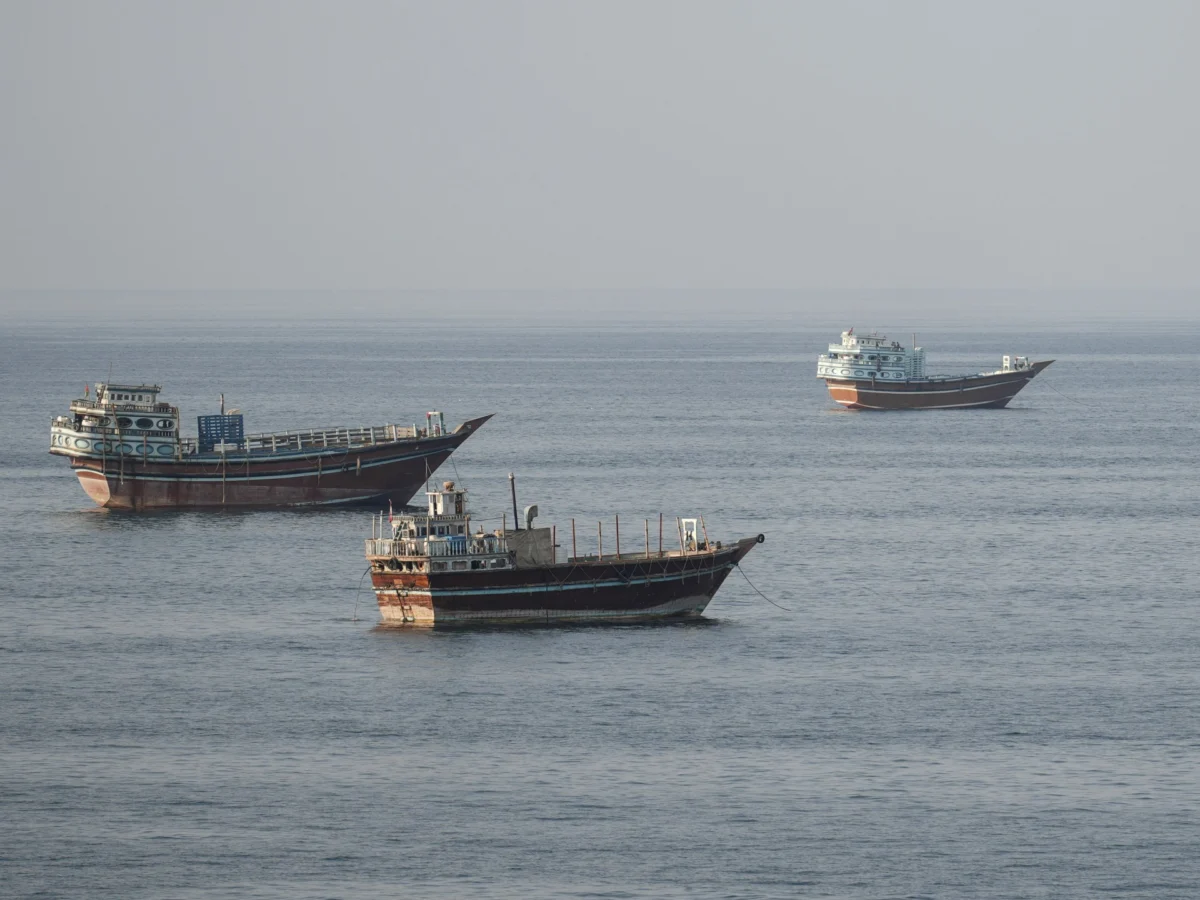
Iran’s Islamic Revolutionary Guard Corps (IRGC) has reportedly struck additional ships it says are part of a US-UAE oil shuttle operation moving crude oil past the Strait of Hormuz. The latest reported attacks escalate a pattern of maritime activity the IRGC has framed as targeting a covert effort to export oil beyond the strategic waterway.
According to Al Jazeera – Breaking News, World News and Video from Al Jazeera, the IRGC is hitting more ships allegedly part of a shuttle operation to move crude oil beyond the Strait of Hormuz. Details about specific vessels, timing, or casualties were not included in the available report, but the development underscores ongoing tensions in one of the world’s most important oil transit routes.
KEY FACTS
- The IRGC is hitting more ships allegedly part of an oil shuttle.
- The alleged shuttle involves US and UAE participation.
- The operation reportedly moves crude oil beyond the Strait of Hormuz.
- Claims come from Al Jazeera reporting on Iranian statements.
Who Is Behind the Oil Shuttle?
The oil shuttle described in the report refers to a logistical arrangement for transporting crude oil from the Persian Gulf, likely to tankers or storage facilities outside the Strait of Hormuz. Such operations are common when producers seek to move oil to international markets while navigating narrow maritime chokepoints.
The involvement of the United States and the United Arab Emirates suggests both nations have a stake in maintaining secure passage through the strait, which handles roughly one-fifth of global petroleum liquids consumption. The IRGC’s framing of these ships as part of a shuttle operation implies Iran views them as supporting adversaries it considers hostile to its interests.
Maritime shuttle operations often rely on smaller vessels to transfer cargoes between large tankers too big to enter certain ports, or to bypass congested routes. Iran’s reported targeting of these vessels raises questions about how such shuttle networks function under threat of attack.
What Happens Next?
Further escalation at sea could disrupt oil flows through the Strait of Hormuz, potentially affecting global prices and energy markets. While no official comments were cited in the source, past incidents involving the IRGC and foreign shipping have prompted naval responses from regional and international actors.
The lack of corroborating details — such as confirmed vessel identities, locations, or damage assessments — leaves significant uncertainty about the actual scope and impact of the reported attacks. Without independent verification, the broader implications remain speculative.
Commercial shipping insurers and energy analysts are likely monitoring developments closely, as repeated targeting of oil-related infrastructure near the strait could alter risk assessments for carriers transiting the region.
WHAT WE KNOW — AND WHAT WE DON’T
Verified by the source:
- The IRGC carried out reported attacks on ships described as part of an oil shuttle.
- The alleged shuttle involves US and UAE-linked vessels.
- The target of the shuttle was to move oil beyond the Strait of Hormuz.
- Reporting originates from Al Jazeera coverage.
Still unconfirmed:
- Exact number of ships attacked or damaged.
- Timing and location details of the incidents.
- Identity and nationality of the vessels involved.
- Independent confirmation from other news outlets or officials.
WHY IT MATTERS
The Strait of Hormuz remains one of the planet’s most critical energy corridors, with millions of barrels of oil passing through daily. Any sustained disruption risks spiking fuel costs and straining supply chains already stressed by geopolitical volatility. Even unverified reports of attacks can influence market sentiment and prompt defensive maneuvers by shipping firms and naval forces.
WHAT TO WATCH
Stakeholders will watch for official statements from Iran, the US, or the UAE confirming or denying the reported attacks. Additional reporting from independent maritime monitors or international bodies would also help clarify whether an actual shuttle operation was targeted.