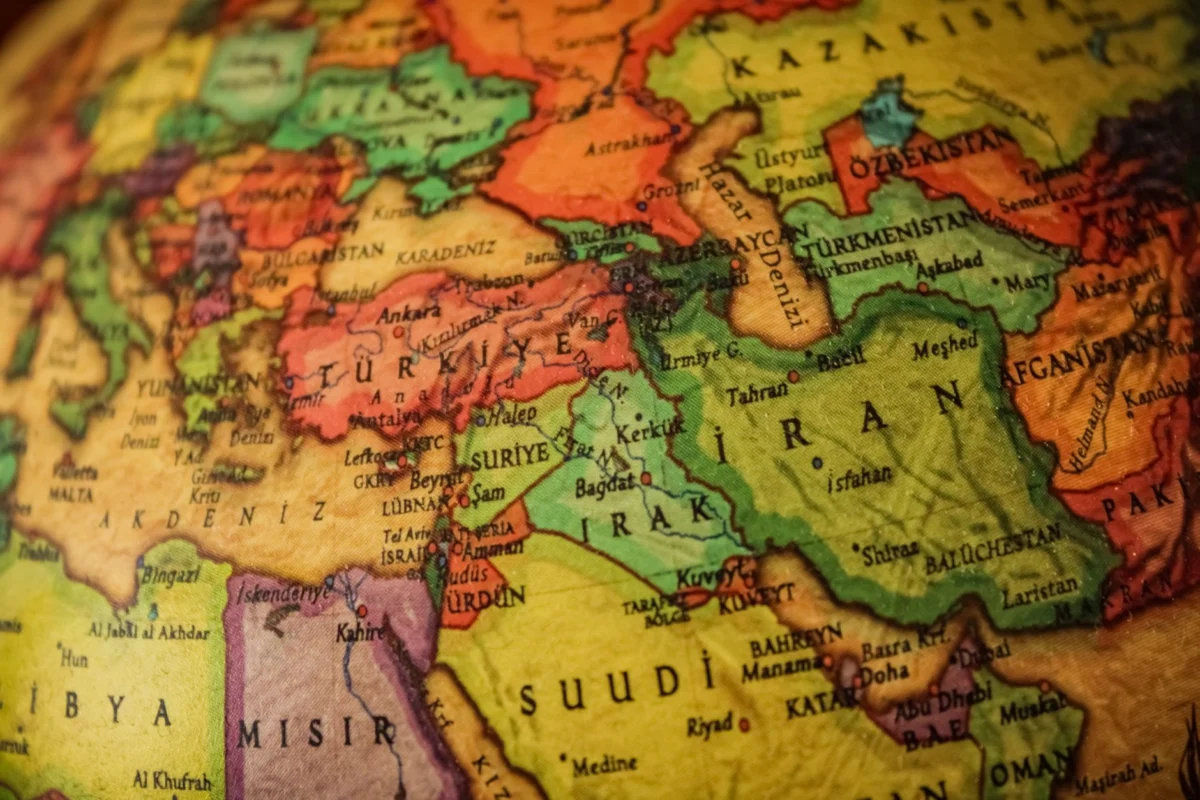
Top officials from Iran, Saudi Arabia, Turkiye and Pakistan have agreed to hold additional talks on peace and security while Houthi attacks continue in the region.
The announcement comes as Saudi forces report downing more Houthi missiles, underscoring the ongoing tensions that the planned discussions aim to address. No specific timeline or agenda for the next round of talks was provided in the initial statement.
KEY FACTS
- Iran, Saudi Arabia, Turkiye and Pakistan agreed to more talks on peace and security.
- The talks follow continued Houthi attacks in the region.
- Saudi forces say they have downed more Houthi missiles.
- Top officials from all four countries will continue the dialogue.
THE STORY
What happens next?
The four nations have not announced a date or location for the next round of talks. Details about the format, participants or specific issues on the agenda remain undisclosed. Observers will watch whether the agreement translates into a concrete meeting schedule in the coming weeks.
The continuation of Houthi attacks suggests that regional tensions have not eased despite diplomatic engagement. Saudi Arabia has previously accused the Houthis of escalating cross-border activity, which it links to broader security challenges in the Red Sea area.
Who is affected?
The developments involve four key regional powers: Iran, Saudi Arabia, Turkiye and Pakistan. Each has a distinct stake in maritime security, energy flows and alliance networks across the Middle East and South Asia.
Citizens and businesses in coastal areas of the Arabian Peninsula and beyond may face disruptions from ongoing Houthi attacks. Shipping routes in the Red Sea and Gulf of Aden have been repeatedly targeted, prompting international navies to step up patrols.
How did we get here?
Regional diplomacy has long been shaped by rivalries between Iran and Saudi Arabia, with Turkiye and Pakistan playing balancing roles. Previous rounds of informal and formal talks have sought to reduce tensions, though breakthroughs have been limited.
The latest accord builds on a pattern of multilateral engagement aimed at creating space for dialogue amid active hostilities. Houthi attacks have added urgency to these efforts, as all parties seek to protect strategic interests while avoiding direct conflict.
WHAT WE KNOW — AND WHAT WE DON’T
Verified by the source:
- Officials from Iran, Saudi Arabia, Turkiye and Pakistan agreed to more talks on peace and security.
- Houthi attacks are continuing in the region.
- Saudi forces have downed more Houthi missiles.
- No specific date, location or agenda for the next talks has been released.
Still unconfirmed:
- The exact timing and venue of the upcoming talks.
- The full list of officials participating from each country.
- Casualties or damage caused by the latest round of Houthi attacks.
- The extent of coordination between the four governments beyond this statement.
WHY IT MATTERS
For global readers, this story matters because it reflects the fragile balance of power in a region critical to world energy supplies and international shipping. Escalating Houthi attacks threaten commercial traffic, while diplomatic initiatives offer a potential path toward de-escalation. The outcome of these talks could influence whether the region moves closer to stability or deeper into renewed conflict, affecting markets, refugees and humanitarian conditions across the Middle East and South Asia.
WHAT TO WATCH
Watch for whether the four countries set a concrete date for the next round of talks and whether Houthi attacks continue or intensify in the interim. Officials have not yet commented on implementation details.
Meta description: Top officials from Iran, Saudi Arabia, Turkiye and Pakistan agreed to more talks on peace and security amid ongoing Houthi attacks and reported Saudi missile downings.