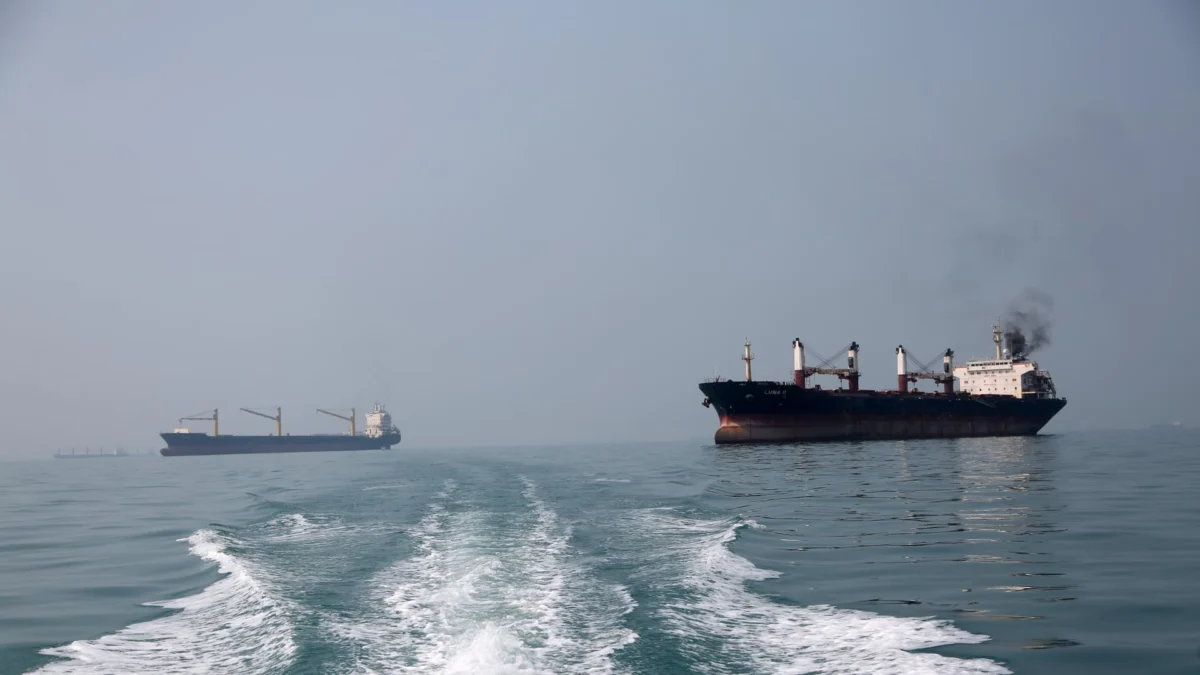
Iran has offered to reopen the Strait of Hormuz within seven days, according to reporting by US Top News and Analysis. The announcement came alongside renewed U.S. pressure on Tehran and as the Houthis launched a new wave of missile and drone attacks at Saudi targets on Friday morning.
The Strait of Hormuz is a vital global shipping channel connecting the Persian Gulf to the Arabian Sea, with roughly one-fifth of global oil trade passing through it daily. Any sustained closure of the waterway would immediately disrupt energy markets and trigger sharp price increases worldwide. Iran’s threat to close the Strait has periodically resurfaced during geopolitical tensions, making any offer to reopen it a significant indicator of regional de-escalation.
Key Facts
- Iran offered to reopen the Strait of Hormuz within 7 days.
- The offer includes restarting nuclear negotiations, per US Top News and Analysis.
- The Houthis launched a new wave of missile and drone attacks at Saudi targets Friday morning.
- The Strait of Hormuz is a key global oil shipping route, handling roughly one-fifth of global oil trade.
What Happens Next?
The coming days will determine whether Iran actually follows through on its offer to reopen the Strait of Hormuz and resume nuclear talks. Previous Iranian proposals have sometimes stalled or been contradicted by later statements, leaving markets and regional officials cautious. The timing of this announcement, juxtaposed with ongoing Houthi strikes on Saudi Arabia, adds uncertainty to whether broader regional tensions will ease or intensify. Analysts note that concrete action, such as the release of vessels or a formal diplomatic timeline, would be needed to confirm genuine progress. Meanwhile, commercial shipping insurers and energy traders are likely monitoring naval activity near the Strait closely, since even the perception of risk there can shift oil prices and freight rates across global markets.
Who Is Affected?
A reopening of the Strait of Hormuz would directly impact energy importers, shipping firms, and financial markets that depend on uninterrupted Gulf oil flows. Countries including Japan, South Korea, India, and much of Europe rely heavily on crude deliveries that transit the waterway. Any disruption also raises costs for consumers worldwide, particularly as global inflation concerns remain sensitive to energy shocks. Within the broader region, Saudi Arabia and other Gulf states continue to face security threats, as evidenced by the Friday attacks. The Houthis, based in Yemen, have increasingly projected force into Red Sea and Gulf waters, complicating shipping and humanitarian operations. For investors and policymakers, the connection between Iran’s nuclear position and Strait access remains central to assessing long-term energy security and the stability of global markets.
How Did We Get Here?
Iran’s position on the Strait of Hormuz has shifted repeatedly in recent years, often tied to the status of its nuclear program and the level of Western sanctions. Tehran previously threatened to close the waterway during U.S.-Iran tensions in 2019 and 2020, prompting emergency naval deployments by U.S. and British forces. The current offer to reopen it within seven days coincides with indirect discussions about revived nuclear negotiations, which stalled after the 2021 U.S. withdrawal from the Joint Comprehensive Plan of Action. At the same time, the Houthis have escalated their cross-border capabilities, raising questions about whether regional actors can contain conflicts without triggering wider war. For readers tracking geopolitical developments, the Strait remains both a flashpoint and a bargaining chip, with each announcement influencing oil markets and diplomatic calculations across capitals.
What We Know — and What We Don’t
Verified by the source:
- Iran offered to reopen the Strait of Hormuz within seven days.
- The offer includes restarting nuclear negotiations.
- The Houthis launched a new wave of missile and drone attacks at Saudi targets Friday morning.
Still unconfirmed:
- No specific timeline or mechanism for reopening the Strait has been provided.
- It is unclear whether Iran’s offer is backed by formal diplomatic commitments.
- Details on the scale or outcome of the Houthi attacks remain unverified.
Why It Matters
The Strait of Hormuz is one of the world’s most strategically important maritime chokepoints, meaning any disruption or promise of reopening has immediate effects on global energy prices, trade routes, and financial markets.
What To Watch
Observers should watch for concrete steps from Iran on Strait access and whether nuclear talks resume, as well as for potential responses from Saudi Arabia and the United States to the latest Houthi attacks.
Meta description: Iran offers to reopen the Strait of Hormuz within seven days, as the Houthis launch new missile and drone attacks on Saudi targets.