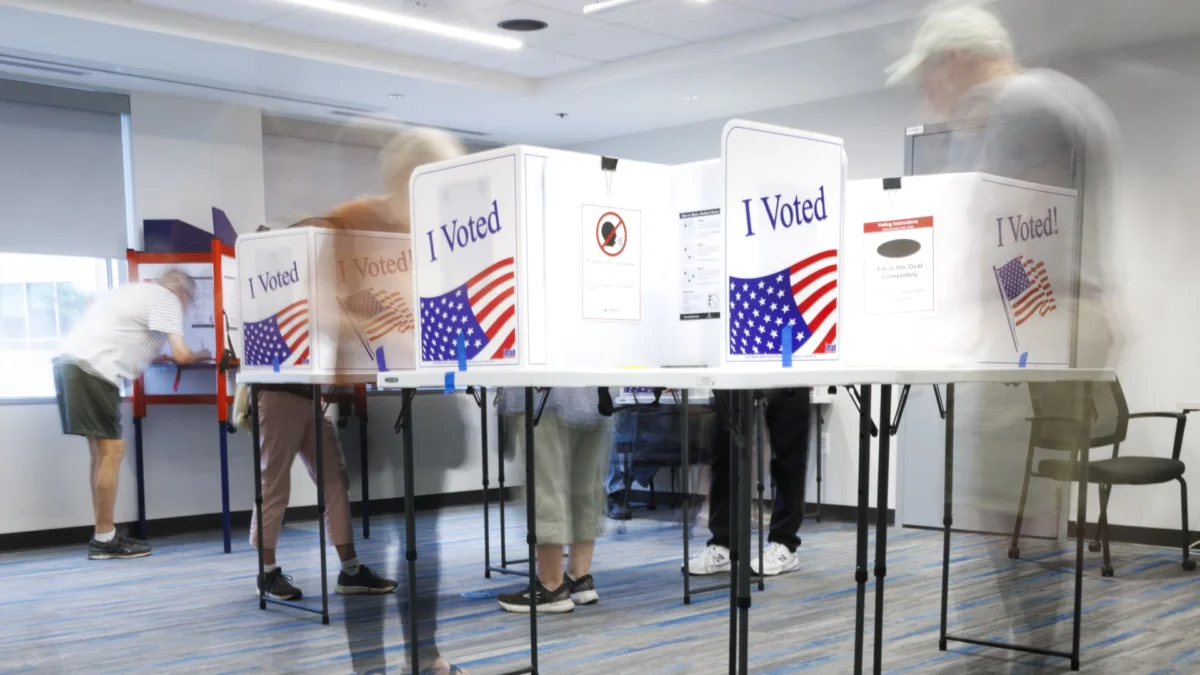
Incumbents in several tightly contested U.S. House races hold commanding cash advantages as the 2026 midterm elections approach, a trend that could shape which party controls Congress next year. These financial leads give sitting lawmakers a structural edge in fundraising, messaging, and voter outreach as challengers struggle to match their war chests.
The pattern underscores how incumbency remains a powerful factor in House campaigns, especially in districts rated as toss-ups. Financial resources often determine a candidate’s ability to advertise, hire staff, and organize locally in the final stretch before Election Day.
Key Facts
- Incumbents hold commanding cash advantages in many 2026 House toss-up races.
- Cash on hand is expected to play a key role in deciding U.S. House control.
- Races labeled as toss-ups are central to determining Congressional control.
- Campaign finance data reflects fundraising and spending through mid-2026 filings.
- Competitive races attract greater scrutiny over candidate readiness and financial strength.
What Do the Numbers Mean?
In U.S. House races, candidates file regular campaign finance reports that show how much money they have raised and spent. Incumbents often start with an advantage because they have built donor networks and name recognition over time. This early lead can discourage potential challengers or force them to spend heavily just to compete, depleting their own reserves before the general election.
The latest filings show that in races where polling is close and no clear favorite has emerged, incumbents are outpacing their opponents in available funds. While money does not guarantee victory, it allows candidates to run more television ads, field more staff, and respond quickly to political developments. For national parties, these financial gaps signal where they may need to invest additional support or resources.
Why Incumbents Lead Financially
Historical data consistently shows that incumbents in the U.S. House raise more money than challengers. This dynamic stems from established relationships with donors, PACs, and advocacy groups. Incumbents also benefit from institutional advantages such as franking privileges and name recognition, which make it easier to attract financial backing even in uncertain political environments. In toss-up races, this gap becomes especially pronounced as donors hedge their bets toward those already positioned for influence.
Beyond fundraising, the ability to spend early and consistently helps incumbents define the race before challengers can gain traction. Many analysts note that in close contests, the candidate who can sustain a longer advertising campaign often captures undecided voters who only begin paying attention late in the cycle.
What We Know — and What We Don’t
Verified by the source:
- Incumbents hold strong cash advantages in several key House toss-up races.
- Financial strength is linked to broader outcomes in the 2026 midterms.
- Finances are a notable factor in races expected to decide control of the U.S. House.
Still unconfirmed:
- The specific names of districts or candidates involved in each race.
- Exact figures behind the reported cash advantages.
- How these financial leads might shift between now and Election Day.
Why It Matters
Campaign cash advantages matter because they reflect both access to power and public trust. In a system where fundraising is central to campaign strategy, those with more resources can amplify their message and mobilize supporters more effectively. This dynamic influences not just individual races, but how closely divided districts choose their representatives.
What To Watch
Future campaign finance reports will show whether incumbents maintain their financial leads as Election Day approaches. Additional polling and spending disclosures may clarify how much money ultimately affects outcomes in these competitive districts.
Meta description: Incumbents hold strong cash advantages in tight U.S. House races heading into the 2026 midterms, shaping the fight for Congressional control.