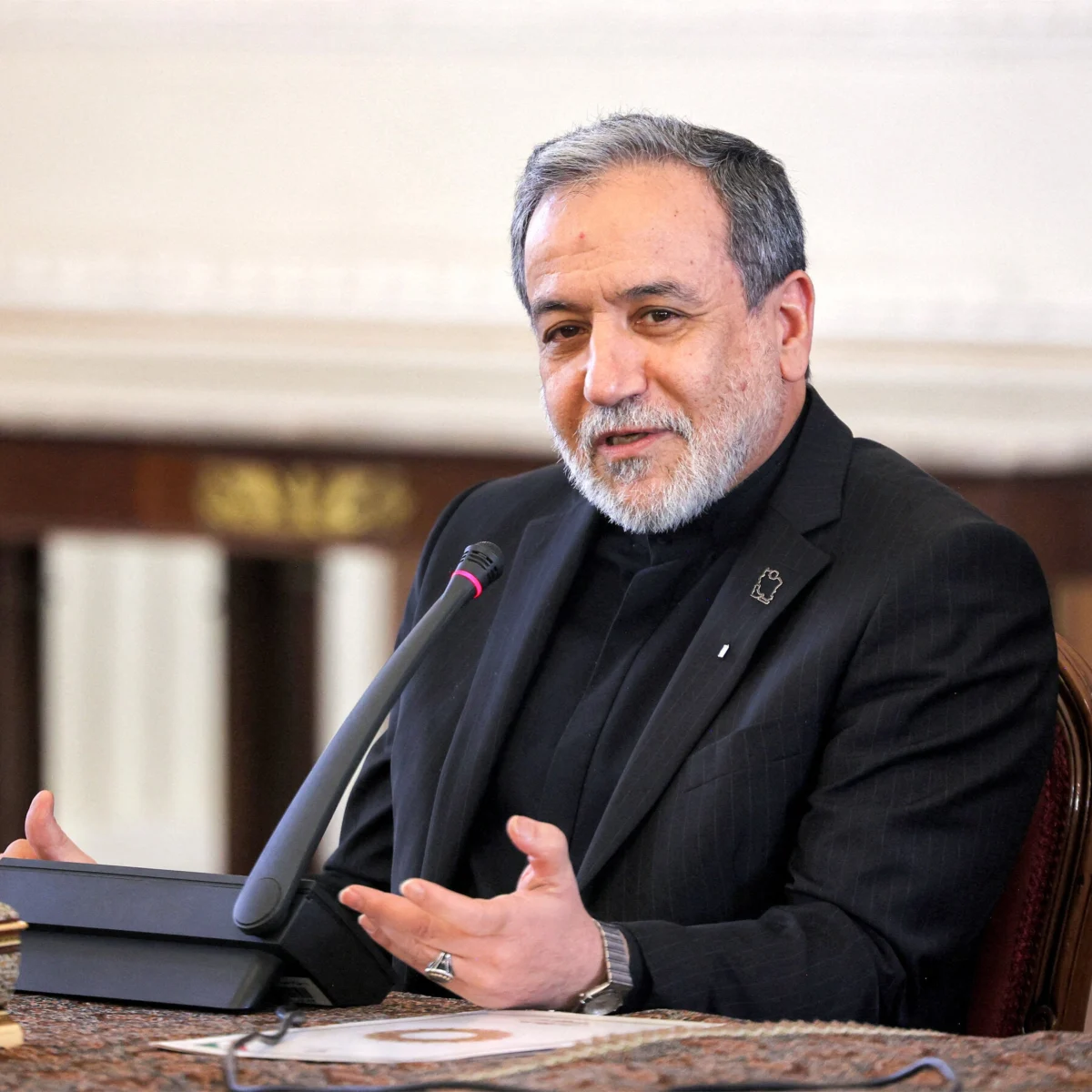
Iran has offered to mediate between its Houthi allies and Saudi Arabia, as Riyadh faces a growing wave of attacks from the Yemeni militia.
The offer comes amid escalating hostilities, with Saudi Arabia reporting increasingly deadly strikes it attributes to Houthi forces. While Iran has historically supported the Houthis, the proposal signals a potential opening for diplomatic engagement, though the sincerity and feasibility of such talks remain uncertain.
KEY FACTS
- Iran offered to mediate between the Houthis and Saudi Arabia.
- Iran has long backed the Houthis, a Yemeni militia.
- Saudi Arabia is facing increasingly deadly attacks from the Houthis.
- The conflict involves regional proxy dynamics between Iran and Saudi Arabia.
WHAT IS BEHIND THE ESCALATION?
The Houthis, who control large parts of Yemen, have stepped up cross-border attacks against Saudi Arabia in recent months. These include missile and drone strikes that Saudi officials say have targeted civilians and infrastructure, leading to civilian casualties and heightened security alerts across the border.
Iran’s support for the Houthis dates back to at least 2014, when the group seized control of Yemen’s capital, Sana’a. Since then, Tehran has provided varying levels of military and logistical aid, according to U.S. and regional intelligence assessments, though Iran denies arming the group directly.
The increasing lethality of Houthi attacks has put pressure on Saudi Arabia’s leadership to respond, raising fears of a broader regional confrontation. Despite diplomatic overtures from other nations, including Oman and Norway, a lasting peace remains elusive.
WHO IS AFFECTED BY THE OFFER?
Saudi Arabia and the Houthis are the primary parties involved, but the consequences extend across Yemen and the broader Middle East. Millions of Yemenis continue to suffer from one of the world’s worst humanitarian crises, exacerbated by years of war, blockade, and economic collapse.
Regional powers like the UAE and Egypt, both part of the Saudi-led coalition, also have stakes in the outcome. For Iran, mediating could offer leverage in shaping post-conflict dynamics in Yemen, potentially strengthening its influence along the Red Sea and Arabian Peninsula.
HOW DID WE GET HERE?
Yemen descended into chaos after the Houthis overthrew the government in late 2014. Saudi Arabia, backed by the U.S. and other allies, launched a military intervention in 2015 aimed at restoring the internationally recognized government. Years of fighting have killed tens of thousands and displaced millions.
Iran’s role has drawn criticism from Western governments, which accuse Tehran of widening the conflict through proxy warfare. In contrast, Iran frames its support as solidarity with Yemenis resisting foreign intervention, particularly after the Saudi-led coalition imposed a naval and air blockade.
As both sides dig in, the humanitarian toll grows. International aid groups warn of famine, disease outbreaks, and mass displacement, underscoring the urgent need for negotiations that include Houthi leadership and Yemeni civil society.
WHAT WE KNOW — AND WHAT WE DON’T
Verified by the source:
- Iran has offered to mediate between the Houthis and Saudi Arabia.
- Iran has long supported the Houthis militarily and politically.
- Saudi Arabia reports a surge in deadly Houthi attacks.
- The Houthis control significant territory in Yemen, including the capital Sana’a.
- The Saudi-led coalition intervened in Yemen in 2015 to counter Houthi gains.
Still unconfirmed:
- Details of Iran’s proposed mediation framework or timeline for talks.
- Casualty figures from recent Houthi attacks, as neither party has released verified data.
- The extent and nature of Iranian arms or funding flowing to the Houthis, which remains contested.
- Whether Saudi Arabia will formally accept or reject Iran’s offer to mediate.
WHY IT MATTERS
This development sits at the heart of a volatile regional power struggle. A credible mediation effort could open pathways toward de-escalation and peace talks, offering hope to millions of Yemenis caught in the crossfire. However, deep mistrust and competing geopolitical agendas make durable negotiations difficult without inclusive participation from all Yemeni factions. Explore the full implications under war-geopolitics coverage.
WHAT TO WATCH
All eyes are now on whether Saudi Arabia responds formally to Iran’s offer. Upcoming regional summits and statements from Yemeni stakeholders may determine if diplomatic momentum builds or stalls.
For ongoing updates, follow our politics section.
A single-source summary reporting Iran’s offer to mediate Houthi-Saudi tensions amid rising cross-border attacks.