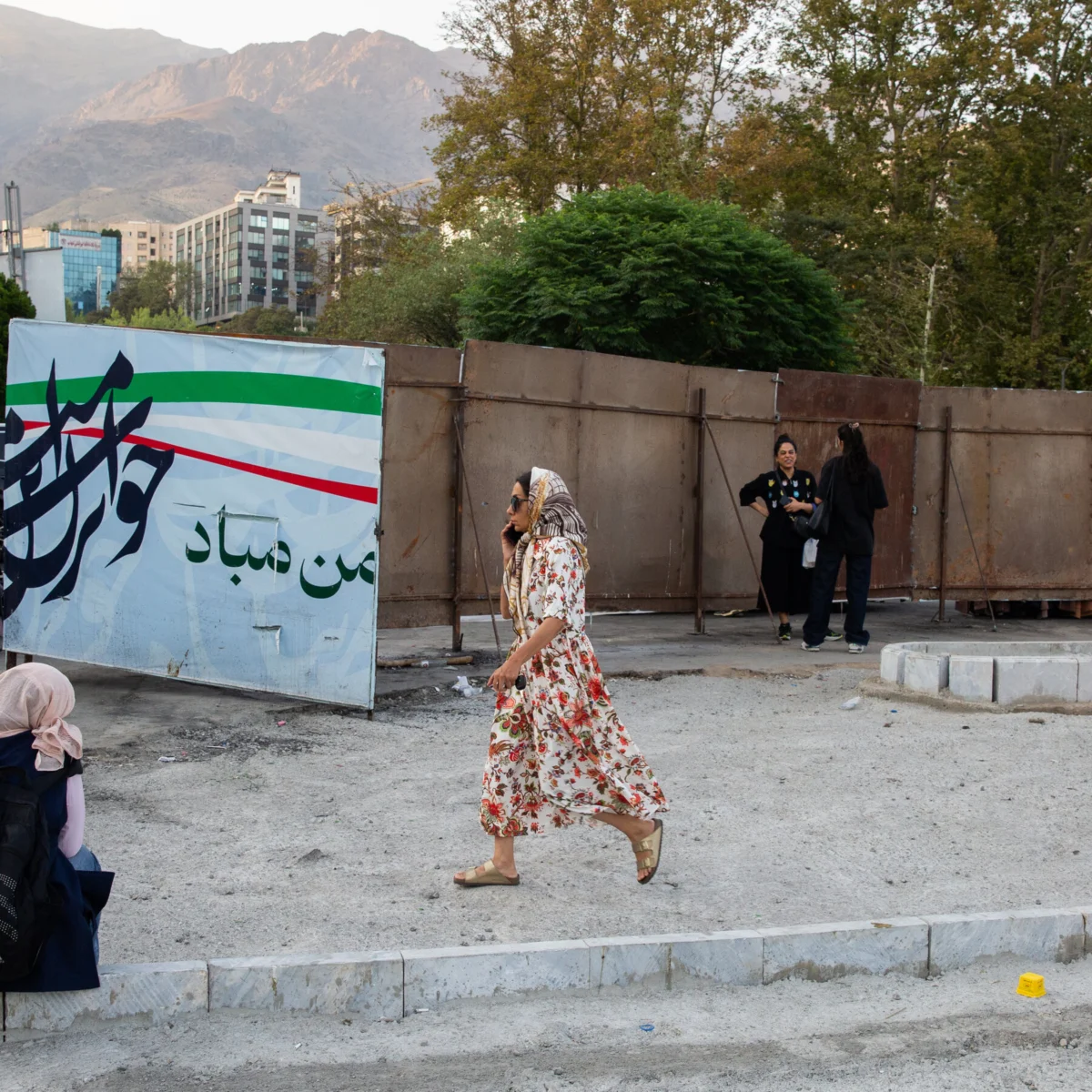
Iran must develop a plan to counter U.S. sanctions following President Trump’s threats of an “economic D-Day” against the country, according to a senior Tehran official. Mohammad Bagher Ghalibaf, Iran’s lead negotiator in talks with Washington, emphasized the need for strategic measures to mitigate the impact of potential new sanctions.
The remarks come amid escalating tensions between the U.S. and Iran, with the Trump administration signaling a hardline stance on economic pressure. Ghalibaf’s comments reflect Tehran’s growing concern over the potential consequences of renewed U.S. sanctions.
Key Facts
- Mohammad Bagher Ghalibaf, Iran’s lead negotiator with the U.S., called for a plan to overcome U.S. sanctions.
- The statement followed President Trump’s threat of an “economic D-Day” against Iran.
- The comments were reported by NYT > World News.
What Does This Mean for Iran?
Ghalibaf’s statement underscores the Iranian government’s awareness of the severe economic challenges posed by U.S. sanctions. Historically, U.S. sanctions have targeted Iran’s oil exports, banking sector, and international trade, crippling its economy. The threat of an “economic D-Day” suggests a potential escalation in these measures, which could further isolate Iran globally.
Iran has previously relied on diplomatic channels and regional alliances to mitigate the impact of sanctions. However, the Trump administration’s aggressive posture may necessitate more drastic measures, such as seeking alternative trade partners or accelerating domestic production to reduce dependency on imports.
How Did We Get Here?
The U.S. and Iran have been locked in a tense standoff since the Trump administration withdrew from the Iran nuclear deal in 2018. The deal, formally known as the Joint Comprehensive Plan of Action (JCPOA), had lifted some sanctions in exchange for limits on Iran’s nuclear program. Its collapse reignited economic and geopolitical tensions between the two nations.
President Trump’s recent “economic D-Day” threat signals a potential return to maximum pressure tactics, which could include secondary sanctions targeting countries that trade with Iran. This approach has previously strained Iran’s economy and triggered domestic unrest.
What We Know — and What We Don’t
Verified by the source:
- Mohammad Bagher Ghalibaf, Iran’s lead negotiator, called for a plan to overcome U.S. sanctions.
- President Trump threatened an “economic D-Day” against Iran.
Still unconfirmed:
- The specific measures Iran plans to take in response to the sanctions.
- Whether the U.S. will follow through on the “economic D-Day” threat.
- The potential timeline for any new sanctions or Iranian countermeasures.
Why It Matters
The escalating tensions between the U.S. and Iran have far-reaching implications for global geopolitics and energy markets. Iran’s ability to withstand U.S. sanctions could determine its influence in the Middle East and its capacity to pursue nuclear ambitions. For the U.S., the success of its sanctions policy may shape its strategy toward other adversarial nations.
What To Watch
Observers should monitor Iran’s next steps in response to the sanctions threat, as well as any official U.S. announcements regarding new economic measures. Diplomatic efforts, or the lack thereof, will also be critical in determining whether the situation escalates further.