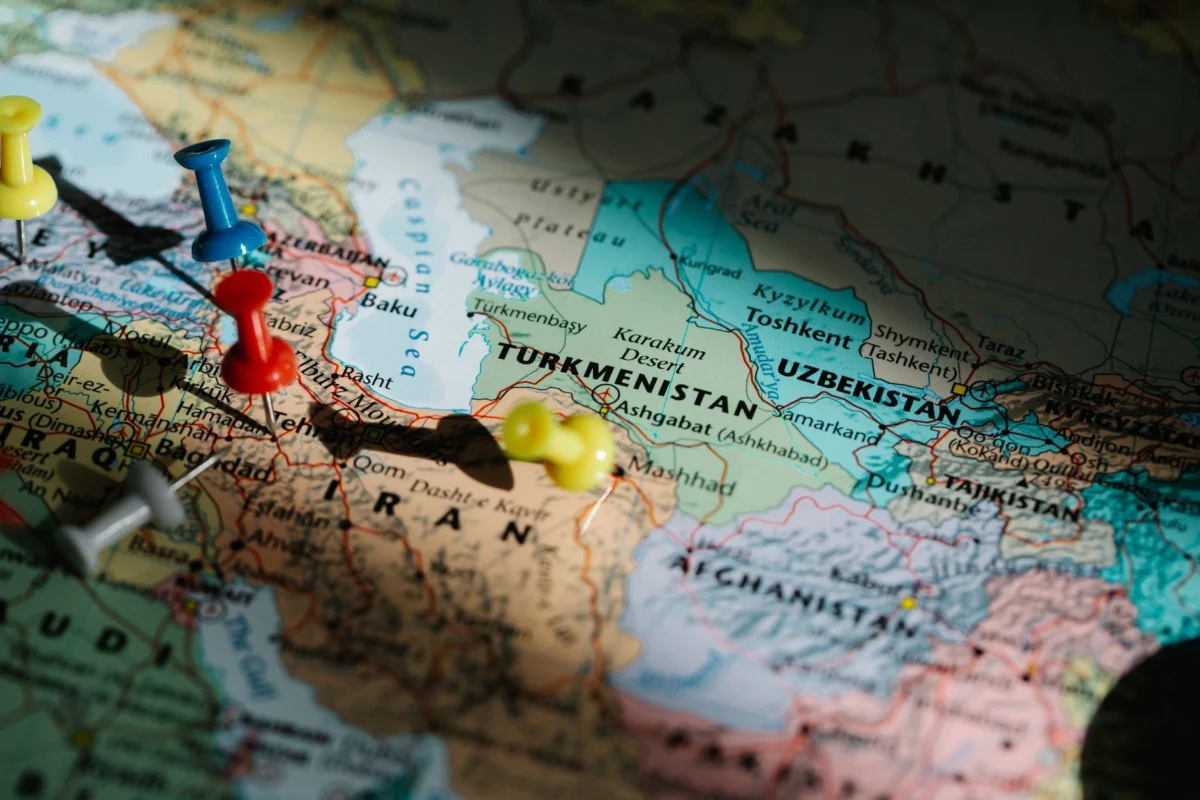
Iran is reported to have detailed plans to strike undersea cables in the Gulf if war resumes, according to officials cited by Reuters. The cables, which carry much of the world’s internet traffic and energy data, are critical infrastructure linking the region to global markets.
The existence of such plans underscores the strategic importance of undersea cables and the potential for disruption during regional conflicts. While the source does not confirm who within Iran developed the plans or when they were drawn up, the claim points to a long-standing vulnerability in global communications networks.
Key Facts
- Iran has detailed plans to hit undersea cables in the Gulf if war resumes, per officials.
- The report is based on officials speaking to Reuters, though no names or titles are given.
- The cables are located in the Gulf region, a key route for global internet traffic.
- No confirmation or denial has been issued publicly by Iranian authorities at this time.
- The plans remain unverified outside of the unnamed officials’ accounts.
What Are Undersea Cables and Why Do They Matter?
Undersea cables are fiber-optic lines laid along ocean floors connecting countries and continents. They carry over 95% of global internet traffic, financial transactions, and energy-related data. In the Gulf, multiple cable systems link the Middle East to Europe, Asia, and Africa. Disrupting these cables could affect banking, commerce, and communications across vast regions.
The Gulf is home to several major cable landing points, particularly near the UAE, Saudi Arabia, and Oman. These hubs are considered vital chokepoints not just for oil shipments, but also for digital connectivity. Threats to these cables raise concerns among policymakers about cascading effects on both civilian and military networks.
What Could Happen If These Plans Are Activated?
If Iran were to act on these alleged plans, the consequences could extend far beyond the immediate region. Internet outages, delayed financial trades, and disrupted energy markets have all been linked to past damage or tampering with undersea infrastructure. Analysts often warn that targeting digital infrastructure can trigger unintended global ripple effects.
However, the source does not specify how such an attack might unfold technically or whether defensive measures are already in place. It also does not clarify if any preparation or alert has been issued by international actors monitoring the situation.
What We Know — and What We Don’t
Verified by the source:
- Iran reportedly possesses detailed plans to target Gulf undersea cables during renewed hostilities.
- Officials provided this information to Reuters.
- The Gulf contains key undersea cable routes serving global internet traffic.
Still unconfirmed:
- The identity and credibility of the unnamed officials.
- Whether the plans are current or actionable.
- If any government has independently verified these claims.
- Technical feasibility or scope of any potential attack.
Why It Matters
The stability of global communications depends heavily on secure undersea cables. Any threat to these systems poses risks not only to national security but to everyday life, including secure online banking, international trade, and real-time data exchange. Public awareness of such threats helps prompt discussion around digital resilience and preparedness.
What To Watch
Stakeholders will be watching for further statements from regional governments or telecom authorities regarding protection of undersea infrastructure. Updates may emerge if new intelligence surfaces or if diplomatic channels address the issue directly.
This article was compiled solely from reporting attributed to unnamed officials via Reuters and reflects only what can be verified through that single source.