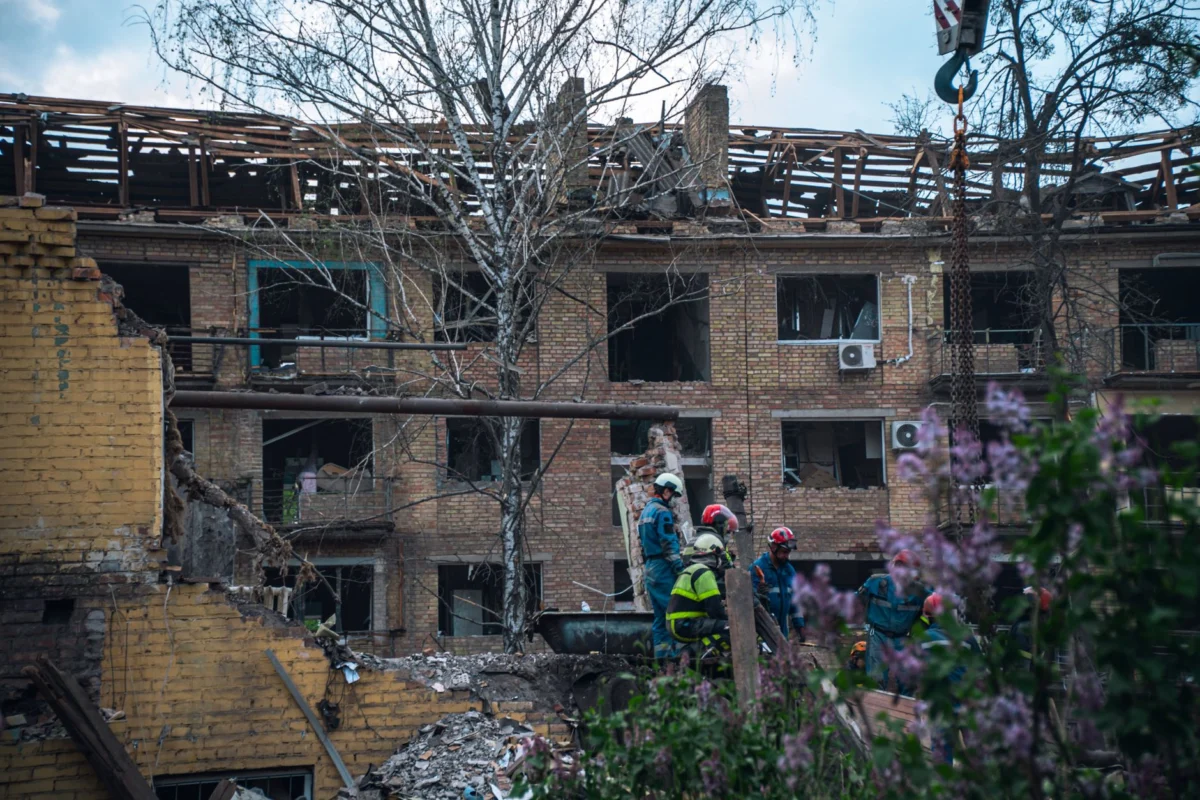
A Ukrainian negotiator announced that a local humanitarian ceasefire with Russia is set to begin Tuesday, marking a potential pause in hostilities in an unspecified area. The announcement, reported by AP News, represents one of the few recent developments toward de-escalation in the ongoing conflict between Ukraine and Russian forces.
According to AP News, the ceasefire would be localized rather than nationwide, suggesting it applies to a specific region or sector of the front lines. The negotiator did not provide additional details about scope, duration, or which areas would be affected. Humanitarian ceasefires typically aim to allow access for medical supplies, food, and civilian evacuations, though past temporary pauses have often been fragile or short-lived.
Key Facts
- Ukrainian negotiator announced plans for a local humanitarian ceasefire with Russia.
- The ceasefire is scheduled to begin Tuesday, according to AP News.
- The agreement is described as local, not nationwide in scope.
- No further details were provided about affected areas or duration.
- The announcement was reported by AP News within the past 12 hours.
What happens next?
The success and durability of any humanitarian ceasefire depend heavily on implementation and monitoring. Past attempts at localized pauses have faced challenges including violations, unclear boundaries, and limited international oversight. Without official confirmation from Russian sources or independent observers, it remains uncertain whether the proposed ceasefire will materialize as announced.
International observers and humanitarian organizations typically require advance notice and coordination to deploy personnel and resources during temporary truce periods. If this ceasefire moves forward, it may involve coordination with international aid groups and possibly UN agencies already operating in affected regions.
Who is affected?
Civilians in conflict zones are usually the primary beneficiaries of humanitarian ceasefires, particularly those trapped in besieged or active combat areas where access to basic necessities like clean water, medicine, and shelter is severely limited. While the exact population affected by this specific ceasefire has not been disclosed, past localized agreements have aimed to assist residents in heavily contested municipalities along the front lines.
Local infrastructure such as hospitals, schools, and utility systems often suffer damage during prolonged fighting, making even brief windows of calm critical for emergency response efforts. Aid convoys and medical evacuations frequently rely on negotiated passages that can shift rapidly based on battlefield conditions.
How did we get here?
Humanitarian corridors and temporary ceasefires have been attempted periodically since the escalation of hostilities, often brokered through intermediaries or international bodies. These arrangements usually involve tacit understanding between opposing military commands rather than formal treaties, which makes enforcement inconsistent. The involvement of Ukrainian negotiators suggests internal diplomatic channels continue working alongside external mediation efforts.
What We Know — and What We Don’t
Verified by the source:
- A Ukrainian negotiator stated that a local humanitarian ceasefire with Russia will start Tuesday.
- The report originated from AP News within the last 12 hours.
- The ceasefire is described as being local in nature.
- No official comment has been confirmed from Russian authorities.
Still unconfirmed:
- Which specific geographic area or region will observe the ceasefire.
- The expected duration of the humanitarian pause.
- Whether Russia has acknowledged or agreed to the arrangement.
- Details regarding humanitarian access points or participating organizations.
- The identity of the Ukrainian negotiator who made the statement.
Why It Matters
Temporary humanitarian pauses offer rare glimpses of potential de-escalation pathways amid protracted warfare. Even brief interruptions in fighting can enable life-saving aid delivery and provide civilians momentary relief from violence. However, their impact depends largely on whether all parties uphold their commitments and whether adequate protections exist for humanitarian workers.
For global audiences tracking economic and political implications, short-term truces can affect everything from energy markets to refugee flows, underscoring how localized developments carry broader significance.
What To Watch
Further details may emerge if either side confirms operational specifics or releases maps delineating the affected zone. Monitoring also includes watching for reports of violations or breakdowns in communication once the announced start date arrives.