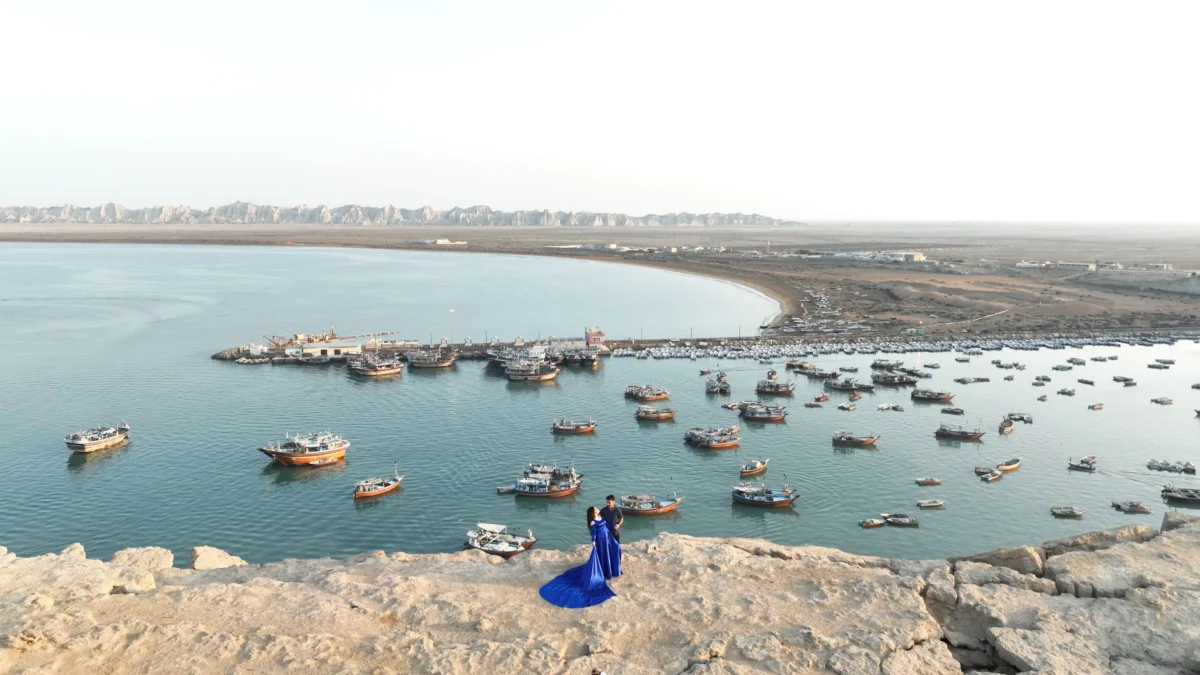
Iran Gulf talks have stalled after a planned high-level meeting between foreign ministers was postponed, with Iran blaming Saudi Arabia for calling off the gathering in Oman. The breakdown reflects ongoing tensions in the Persian Gulf region. Iran said the cancellation occurred as Saudi Arabia faces threats from Iran-backed Houthi rebels and Iraqi militias, underscoring the fragile security environment. Key Facts:
- Iran said Saudi Arabia called off the meeting
- Meeting was planned in Oman
- Talks between foreign ministers stalled
- Saudi Arabia faces Houthi rebel threats
- Iraqi militias linked to Iran are involved
What happens next? Diplomatic momentum in the Persian Gulf has long depended on quiet multilateral channels, and this postponement signals that current backchannel efforts may be faltering. Oman, historically a neutral mediator, has hosted several rounds of indirect negotiations between regional rivals, making the cancellation of a high-level ministerial meeting there notable. Iranian officials have previously criticized what they describe as external interference in regional affairs, while Saudi Arabia continues to navigate security concerns along its southern border and in Iraq. How did we get here? Tensions in the Persian Gulf have simmered for years, rooted in competing influence across Yemen, Iraq, and Lebanon. The Houthi movement in Yemen has repeatedly targeted Saudi infrastructure, prompting a military coalition led by Riyadh since 2015. Simultaneously, Iran has been accused of providing material support to various Shia militias in Iraq, complicating Baghdad’s efforts to maintain neutrality. These dynamics have made any formal diplomatic breakthrough difficult, leaving informal diplomacy in Oman as one of the few remaining venues for dialogue. Who is affected? The delay or cancellation of talks affects not only Iran and Saudi Arabia but also smaller Gulf states, regional trade routes, and international energy markets. For ordinary citizens in conflict zones like Yemen and Iraq, the absence of diplomatic progress can mean continued instability, disrupted aid delivery, and persistent insecurity. Global powers watching these negotiations are also impacted, as Persian Gulf stability plays a central role in worldwide oil pricing and maritime security. What We Know — and What We Don’t: Verified by the source:
- The meeting was postponed
- It was scheduled in Oman
- Saudi Arabia was blamed by Iran for cancellation
- Threats to Saudi Arabia were cited
Still unconfirmed:
- No official Saudi response included
- No date provided for future talks
- No details on specific demands or negotiation topics
Why it matters: A breakdown in Persian Gulf diplomacy risks deeper instability in a region already strained by conflict, potentially affecting global energy supplies and broader geopolitical balances. What to watch: Official responses from either side and whether new diplomatic initiatives emerge in coming weeks.