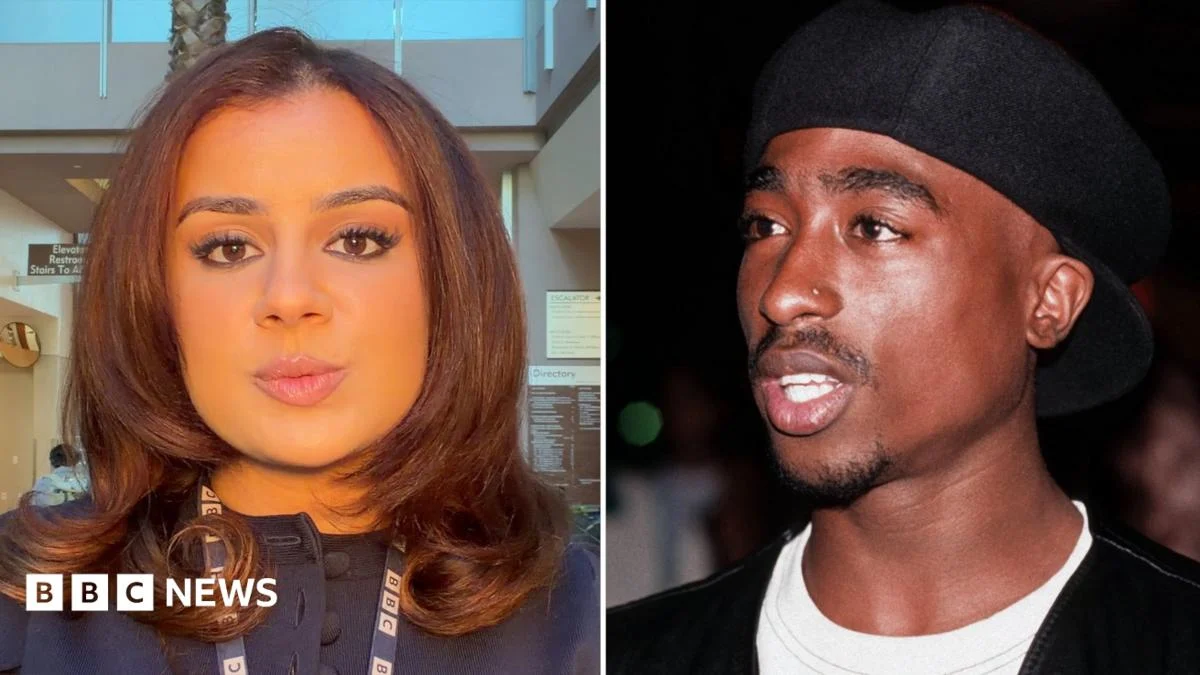
BBC presenter Anoushka Mutanda-Dougherty detailed the atmosphere when Duane ‘Keffe D’ Davis was convicted for the 1996 murder of rapper Tupac Shakur. The long-awaited verdict brought closure to one of hip-hop’s most infamous unsolved cases after nearly three decades. Mutanda-Dougherty observed proceedings but did not describe specific reactions from the defendant or spectators.
The conviction stems from a fatal 1996 drive-by shooting in Las Vegas that killed the 25-year-old rap icon. Investigators reopened the case in 2018, leading to Davis’s 2023 arrest after he admitted involvement in a documentary and memoir. Prosecutors argued he orchestrated the shooting to avenge a rival gang attack on his nephew.
KEY FACTS
- Duane ‘Keffe D’ Davis was found guilty of murdering rapper Tupac Shakur
- The verdict came nearly 28 years after the 1996 drive-by shooting
- BBC reporter described courtroom atmosphere without quoting participants
- Case was reopened in 2018 after Davis discussed involvement publicly
- Prosecutors tied shooting to gang retaliation per earlier reports
How Did This Case Finally Reach Trial?
For years, the investigation stalled despite widespread speculation about rivalries between East Coast and West Coast rap factions. Davis’s own 2019 memoir and interviews provided key evidence after he detailed supplying the weapon and being in the vehicle during the attack. Nevada laws allowing accomplice testimony enabled charges despite no eyewitnesses or forensic links to the shooting itself.
What Does This Verdict Resolve?
The conviction assigns legal responsibility for the first time, though questions remain about precise gunmen and motives. Shakur’s family has long sought accountability for the killing that cut short his groundbreaking music career during the height of his fame. The trial did not address broader theories about industry figures potentially involved in the rap beefs of the era.
WHAT WE KNOW — AND WHAT WE DON’T
Verified by the source:
- Davis was found guilty of murder charges
- BBC reporter witnessed the verdict reading
- Case involved Shakur’s 1996 Las Vegas shooting
Still unconfirmed:
- Specific evidence presented during trial
- Sentencing timeline or possible appeals
- Whether others may still face charges
WHY IT MATTERS
The verdict provides rare legal resolution to one of music’s most consequential unsolved crimes, potentially setting precedents for prosecuting decades-old celebrity homicide cases where evidence relies heavily on accomplice testimony.
WHAT TO WATCH
Sentencing proceedings will determine Davis’s prison term, while investigators may pursue additional leads based on trial testimony. Shakur’s cultural legacy continues influencing new generations of artists. See more crime and justice coverage.