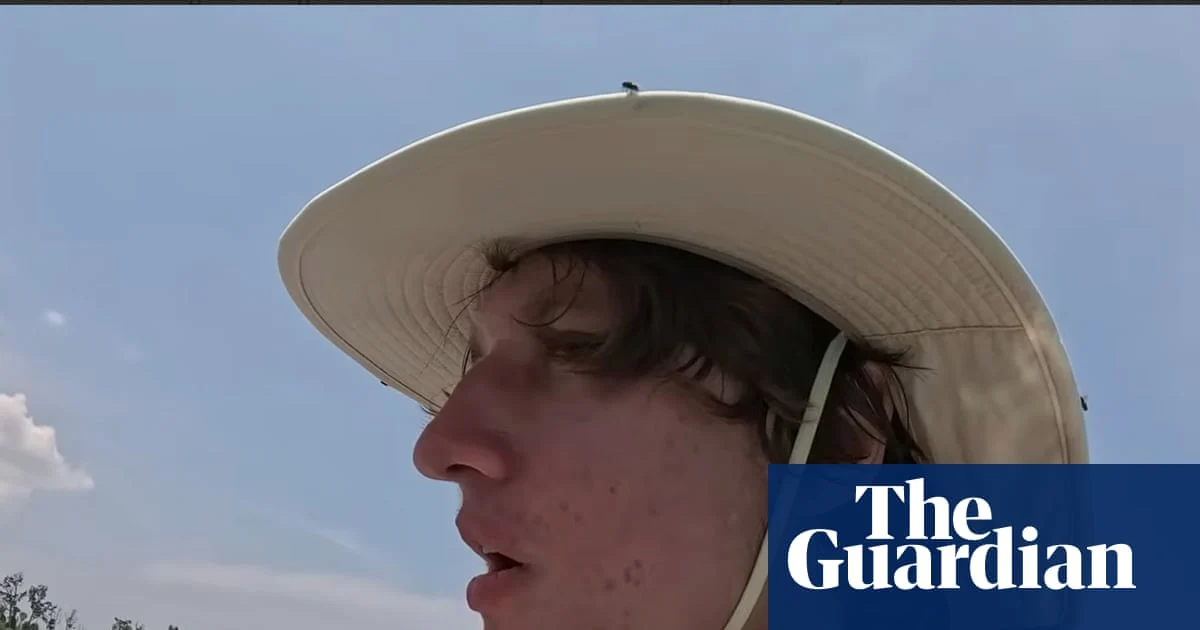
A podcast featuring features writer Elle Hunt and indigenous activist María José Andrade Cerda explores the growing trend of influencers attempting to connect with uncontacted tribes across the globe. The discussion centers on whether these efforts constitute a modern form of colonialism pursued for online attention and profit.
The Sentinelese, who inhabit North Sentinel Island in the Bay of Bengal, remain among the most isolated peoples on Earth. Governed by India as part of an archipelago, the island is legally protected, with Indian law prohibiting anyone from approaching within 5 kilometers. Despite this restriction, a missionary managed to land on the island in 2018 and was killed by bow and arrow.
Key Facts
- Influencers are reportedly trying to reach uncontacted tribes for content and clicks.
- Elle Hunt and María José Andrade Cerda appear on a podcast about this phenomenon.
- The Sentinelese live on North Sentinel Island in the Bay of Bengal.
- India prohibits approaching within 5 kilometers of the island by law.
- A 2018 missionary who landed on the island was killed by bow and arrow.
The Story
What happens next?
The rise of influencers attempting to document encounters with uncontacted tribes reflects a broader trend of seeking extreme or exclusive experiences for social media engagement. As platforms reward novelty and risk-taking, some creators may be drawn to remote communities that have chosen to remain isolated. These efforts raise ethical questions about consent, cultural preservation, and the responsibility of digital creators toward vulnerable populations.
Indigenous advocates argue that such attempts can endanger tribes by exposing them to diseases to which they have no immunity, disrupting their way of life, and violating their autonomy. Governments and international bodies have long recognized the right of uncontacted groups to remain undisturbed, enacting laws and policies to protect their territories from outside interference.
Who is affected?
Uncontacted tribes, including the Sentinelese, represent some of the most vulnerable communities in the world. Their isolation is not merely geographical but also a deliberate choice to avoid contact with modern society. When outsiders attempt to breach this boundary, the consequences can be severe. Exposure to foreign pathogens alone can devastate these populations, as their immune systems have never encountered common illnesses.
Beyond health risks, forced or attempted contact undermines the cultural integrity of these groups. Their traditions, languages, and social structures have evolved in isolation, making them uniquely valuable to anthropologists and historians. However, prioritizing access over respect risks turning their existence into spectacle rather than safeguarding their rights.
How did we get here?
The intersection of social media influence and cultural exploration has blurred lines between documentation and exploitation. While some creators claim to advocate for indigenous rights, others seek viral fame through sensationalized narratives. Legal protections exist in regions like India, but enforcement varies, and the global nature of digital platforms complicates jurisdiction.
Past incidents, such as the 2018 missionary’s fatal encounter, highlight the dangers of unauthorized intrusions. These events underscore the need for stricter compliance with protective legislation and greater awareness among content creators about the impact of their actions on isolated communities.
What We Know — and What We Don’t
Verified by the source:
- Influencers are targeting uncontacted tribes for online content.
- The Sentinelese reside on North Sentinel Island.
- India enforces a 5-kilometer exclusion zone around the island.
- A 2018 missionary was killed after landing on the island.
Still unconfirmed:
- The identity or number of influencers involved.
- Specific methods used to attempt contact.
- Official responses from Indian authorities or other governments.
Why It Matters
This emerging trend intersects with critical issues of digital ethics, indigenous rights, and cultural preservation. As technology enables greater reach, the pressure to produce compelling content may override respect for communities that have chosen isolation. Protecting uncontacted tribes requires balancing freedom of expression with the imperative to prevent harm and uphold their right to self-determination.
What To Watch
Future developments will depend on whether governments strengthen enforcement of protective laws and whether social media platforms implement policies to discourage exploitative content. Incidents similar to the 2018 missionary case could prompt renewed scrutiny of influencer behavior and its consequences.