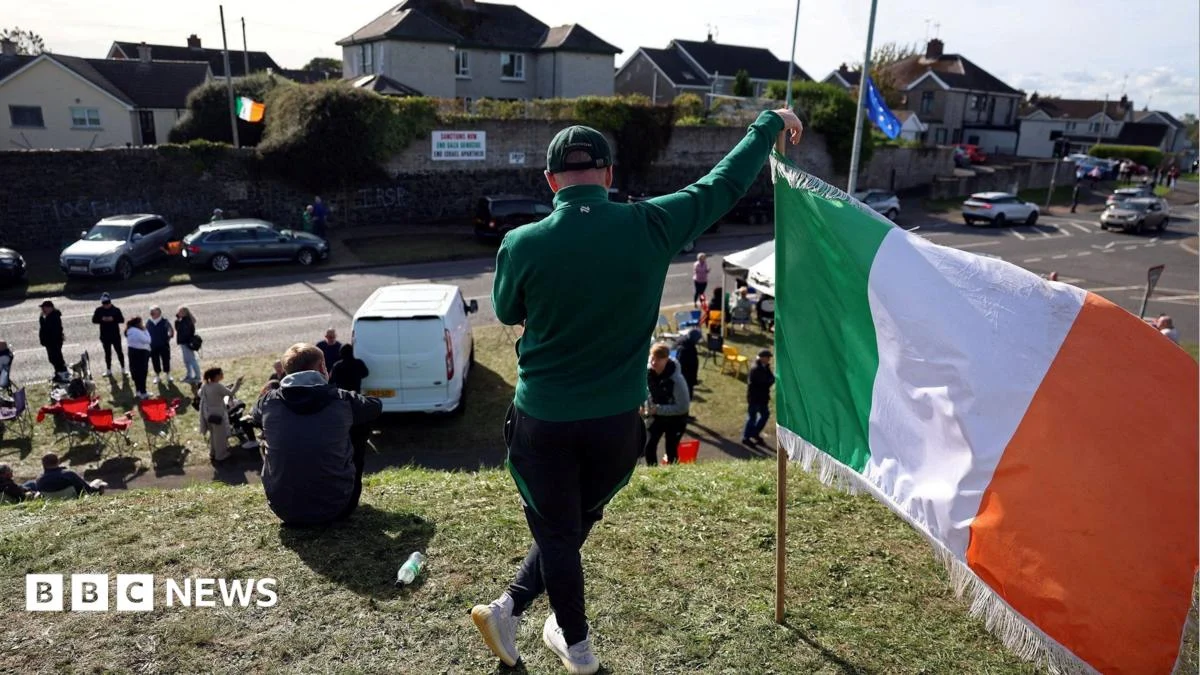
Court of Appeal to Hear Drumcree Parade Challenge
The Court of Appeal is set to hear a legal challenge brought by residents over a parade at the centre of the ongoing Drumcree dispute near Portadown. The case concerns an Orange Order march that has faced sustained opposition from residents of the Garvaghy Road area. The deadlock over the parade has persisted since last Sunday morning.
KEY FACTS
- Court of Appeal to hear residents’ parade challenge over Drumcree dispute.
- Dispute involves an Orange Order march opposed by Garvaghy Road residents.
- Deadlock has lasted since last Sunday morning.
What Happens Next?
The Court of Appeal’s consideration of the residents’ challenge marks the latest legal step in a long-running dispute. Parades and protests in Northern Ireland are governed by the Parades, Assemblies and Demonstrations Act (Northern Ireland) 1994, which gives the Chief Constable and the Parades Commission powers to impose conditions or restrictions. Legal challenges to parade decisions can proceed through the courts when parties seek judicial review of those decisions.
Residents opposed to the Orange Order march have sought to halt or modify the parade through legal means. The Orange Order, a Protestant fraternal organisation, traditionally holds marches as part of its commemorative events. When parades pass through areas where there is community opposition, tensions can arise between organisers and local residents.
The Garvaghy Road area has been the site of repeated disputes over parade routes. These confrontations form part of a broader pattern of interface tensions in Northern Ireland related to flags, emblems and ceremonial events. The involvement of the Court of Appeal indicates that the matter has progressed beyond initial administrative or policing decisions.
Who Is Affected?
Both the Orange Order and residents of the Garvaghy Road area are directly affected by the dispute. Local residents have expressed opposition to the parade passing through their neighbourhood, while the Orange Order views the march as part of its traditional activities. The wider Portadown community may also experience disruption during the period of uncertainty.
Law enforcement agencies, including the Police Service of Northern Ireland, have a role in maintaining public order during parades and protests. They must balance the rights of organisers to hold lawful assemblies with the rights of residents to peaceful protest and community safety.
The courts, including the Court of Appeal, are tasked with determining whether legal procedures have been properly followed and whether appropriate decisions have been made under relevant legislation. This judicial process provides a mechanism for resolving disputes that cannot be settled through negotiation or administrative channels.
Verified by the source:
- Court of Appeal to hear residents’ parade challenge over Drumcree dispute.
- Deadlock over Orange Order march opposed by Garvaghy Road residents has lasted since last Sunday morning.
Still unconfirmed:
- Specific grounds being advanced in the legal challenge.
- Names of parties involved in the proceedings.
- Timeline for the Court of Appeal’s decision.
Why It Matters
The Drumcree dispute is part of Northern Ireland’s continuing challenges around parades and community relations. These issues remain sensitive and can affect broader efforts to maintain peace and stability following the Good Friday Agreement. The outcome of the Court of Appeal’s review may influence how similar disputes are handled in future.
What To Watch
M observers will await the Court of Appeal’s determination, though no further procedural timings have been reported by BBC News. The decision could prompt renewed discussions on parade governance.