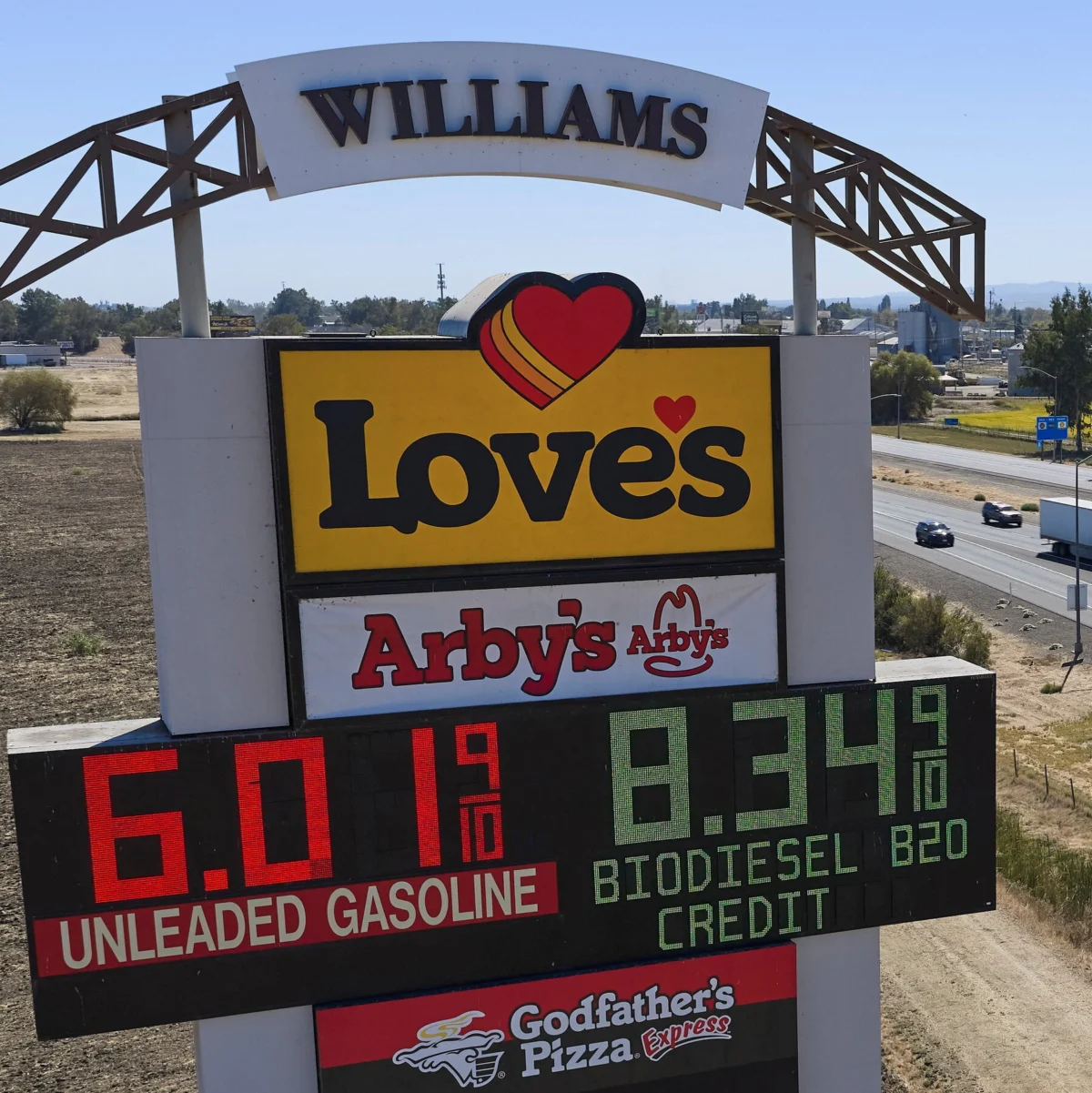
Consumers, business owners, and investors are expressing increasing concern over inflation volatility, citing uncertainty about future price stability.
Rising inflation and its potential repercussions continue to weigh heavily on economic decision-making across multiple sectors. This growing anxiety reflects broader worries about how shifting price levels might affect spending, investment, and savings decisions.
Key Facts
- Consumers, business owners, and investors are increasingly concerned about rising inflation.
- There is mounting worry over inflation’s potential repercussions.
- The source identifies a lack of clarity around future price movements as a key driver of concern.
What Happens Next?
Inflation volatility directly affects how households budget for essentials like food, housing, and transportation. When prices rise unpredictably, saving becomes harder and fixed-income groups suffer disproportionately. Businesses must adjust pricing models frequently, increasing costs and complicating long-term planning.
Investors react by shifting portfolios toward assets traditionally seen as hedges during volatile periods. Central banks may respond with policy adjustments aimed at stabilizing expectations, though such moves can introduce further market turbulence if poorly timed or communicated.
Who Is Affected?
Multiple stakeholders face implications tied to inflation volatility. Households experience pressure through reduced purchasing power, especially those on fixed or irregular incomes. Small business owners grapple with fluctuating input costs and consumer demand patterns that become harder to predict.
Large corporations also adjust strategies amid changing macroeconomic conditions, impacting hiring practices and capital expenditures. Meanwhile, financial institutions and pension funds monitor interest rate environments closely, as volatility often triggers adjustments in lending standards and asset valuations.
How Did We Get Here?
Economists trace current inflation volatility back to several interrelated factors, including supply chain disruptions, labor market shifts, and evolving consumer behavior post-pandemic. Governments worldwide implemented expansive fiscal policies to support economies during health crises, contributing to upward pressure on prices.
Additionally, geopolitical tensions and energy market dynamics have introduced new layers of unpredictability into commodity pricing. Together, these elements created conditions where even modest changes in economic activity can lead to disproportionate swings in inflation readings.
What We Know — and What We Don’t
Verified by the source:
- Rising inflation is causing concern among consumers, business owners, and investors.
- Inflation volatility is affecting economic behavior and outlook.
- The source attributes uncertainty about future price trends as a contributing factor.
Still unconfirmed:
- Specific numerical forecasts or timelines regarding inflation expectations.
- Direct policy responses from central banks or government agencies.
- Individual quotes or statements from named officials or economists.
This situation underscores how interconnected global markets remain sensitive to shifts in price stability. Inflation volatility influences not only personal finances but also corporate earnings and public policy effectiveness. As central banks weigh options for maintaining economic balance, their actions will likely shape outcomes for years ahead. Understanding these forces helps readers navigate a landscape where small changes can ripple widely across sectors.
Moving forward, attention turns to upcoming data releases and policy announcements that could clarify whether recent movements signal temporary turbulence or longer-term instability in price levels.