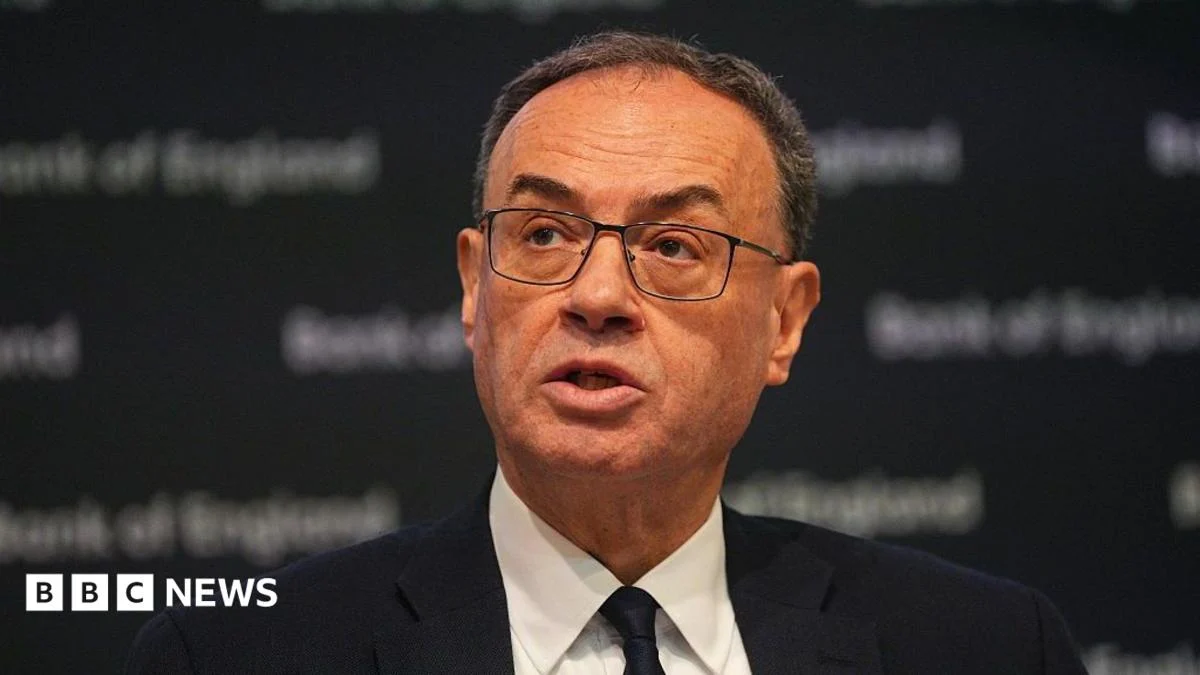
AI regulation is not the right place to start, according to Andrew Bailey, who argues that rigorous testing and safeguards are needed first to contain AI-related risks. The focus should be on ensuring AI systems are properly evaluated before broader oversight frameworks are introduced.
These comments come amid ongoing global debate over how to govern rapidly advancing artificial intelligence technologies. Rather than jumping to regulatory structures, Bailey emphasizes the importance of establishing strong technical and safety measures early in development cycles.
Key Facts
- Andrew Bailey says AI regulation is not the right place to start.
- He calls for rigorous testing and safeguards to manage AI risks.
- His remarks were reported by BBC News.
The Story
What Happens Next?
As AI technologies evolve quickly, governments and institutions face pressure to respond. Bailey’s stance suggests prioritizing safety mechanisms over legal frameworks initially. This approach aligns with calls from some experts who warn that premature rules could stifle innovation or fail to address real dangers effectively.
Instead of immediate regulation, the emphasis is placed on validating AI models through thorough testing processes. These steps aim to identify potential flaws or biases before deployment, reducing harm without slowing progress unduly.
Who Is Affected?
Developers, policymakers, and users of AI systems may feel impact from this guidance. By urging caution through testing, Bailey highlights concerns that unchecked AI might introduce instability into financial markets or other sectors reliant on automated decision-making tools.
Financial regulators globally monitor AI integration closely, especially where algorithms influence trading, lending, or risk assessments. Ensuring accountability at earlier stages becomes critical as these uses expand.
How Did We Get Here?
The push for AI oversight has intensified following high-profile incidents involving flawed algorithms and opaque decision systems. Policymakers are weighing responses ranging from light-touch principles to comprehensive legislation like the EU AI Act.
Bailey’s perspective reflects growing consensus around balancing innovation with responsibility. His voice adds weight given his role at a major central bank, signaling institutional interest in guiding AI governance thoughtfully.
What We Know — and What We Don’t
Verified by the source:
- Bailey stated AI regulation is not the right starting point.
- He advocated for rigorous testing and safeguards for AI.
- Reported by BBC News.
Still unconfirmed:
- Exact date or event when statement was made.
- Other officials’ reactions or responses.
- Specific details about proposed testing protocols.
Why It Matters
This guidance reflects mounting scrutiny over AI development practices. With powerful models emerging daily, proactive safety measures may help prevent misuse while avoiding restrictive laws that could hinder progress. For readers, understanding these dynamics helps anticipate shifts in tech policy and regulation.
What To Watch
Future statements from Bailey or fellow regulators may clarify whether this testing-first approach gains traction in official policy circles.