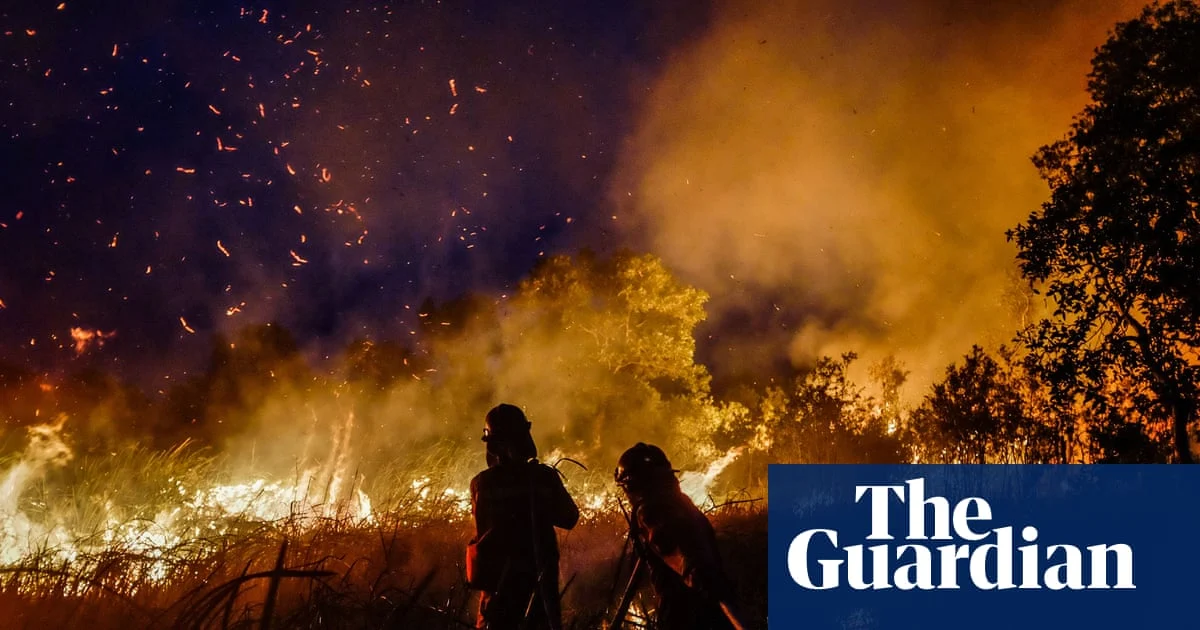
Wildfires in Indonesia’s Kalimantan region have escalated, producing suffocating smoke that has severely impacted local residents and spread to neighboring countries like Malaysia and Singapore. According to World news | The Guardian, Suwadi, a resident of Indonesian Borneo, described the air quality as feeling ‘like smoking a cigarette’ and stated he could barely see five metres ahead when stepping outside.
The fires have burned tens of thousands of acres, exacerbating environmental and public health concerns. The situation is worsened by the super ‘El Niño’ phenomenon, which has intensified the blazes. This has led to widespread visibility issues and health hazards for residents in the affected areas.
Key Facts
- Wildfires in Indonesia’s Kalimantan have burned tens of thousands of acres.
- The smoke has spread to Malaysia and put Singapore on alert.
- Suwadi, a resident, described breathing the air as like smoking a cigarette.
- Visibility is reduced to less than five metres in some areas.
What is Causing the Fires?
The wildfires in Kalimantan are exacerbated by the super ‘El Niño’ phenomenon, which has intensified the blazes. This climatic event, characterized by unusually warm ocean temperatures in the Pacific, often leads to drier conditions in Southeast Asia, making forests more susceptible to fires. The scale of the fires has overwhelmed local firefighting efforts, leaving residents and authorities grappling with the consequences.
Who is Affected?
The immediate impact is felt by residents like Suwadi, who are facing severe air quality issues and reduced visibility. The smoke has not only affected Kalimantan but has also spread to Malaysia and Singapore, prompting alerts and concerns about air pollution. The long-term health effects of prolonged exposure to such hazardous air conditions remain a significant concern for all affected populations.
What We Know — and What We Don’t
Verified by the source:
- Wildfires have burned tens of thousands of acres in Kalimantan.
- The smoke has spread to Malaysia and Singapore.
- Residents are experiencing severely reduced visibility and hazardous air quality.
Still unconfirmed:
- The exact number of acres burned, as the source provides an approximate figure.
- Long-term health impacts of the haze on affected populations.
- Details on the status of firefighting efforts or containment progress.
Why It Matters
The ongoing wildfires in Indonesia highlight the interconnected challenges of environmental degradation, public health, and climate change. The spread of smoke to neighboring countries underscores the regional nature of such environmental crises, emphasizing the need for coordinated responses to mitigate future risks and protect vulnerable populations.
What To Watch
The situation in Kalimantan remains critical, with ongoing fires and widespread smoke. Monitoring the effectiveness of firefighting efforts and any regional cooperation to address the haze will be crucial in the coming days.